
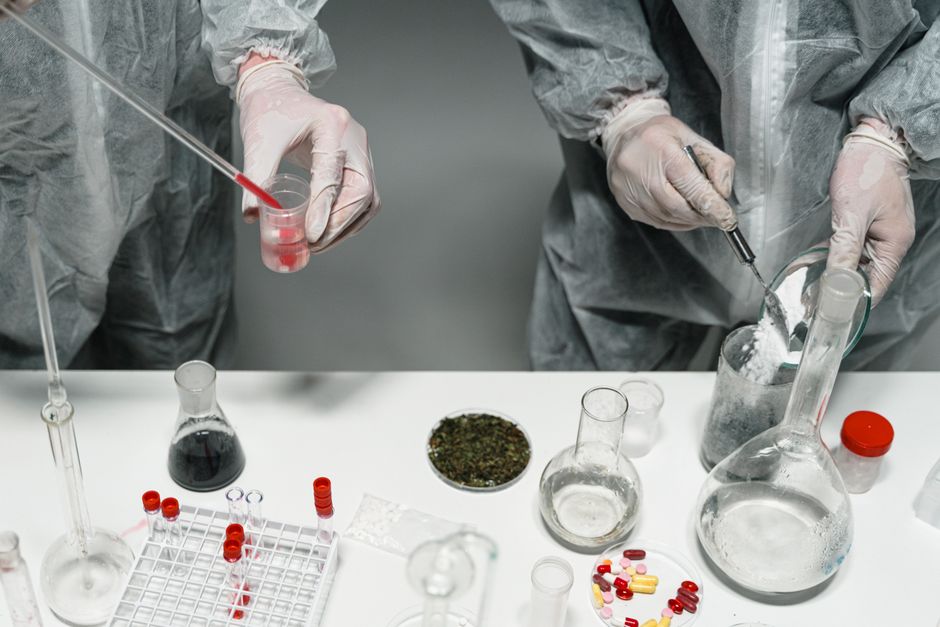
In a world where workplace safety and employee health are paramount, drug testing services have become an essential aspect for many organizations. These services help ensure that employees are fit for duty and maintain a safe working environment. From pre-employment screenings to random testing, drug testing services encompass a variety of methods and protocols designed to deter substance abuse and promote overall wellness in the workplace.
The Role of Drug Testing in the Workplace
Drug testing plays a critical role in maintaining a safe and productive workplace. Employers are increasingly recognizing the need to implement these services to mitigate risks associated with drug abuse among employees. According to the National Safety Council, an estimated 70% of people who misuse drugs are employed, making it vital for employers to take proactive measures. By conducting drug tests, employers can identify potential issues before they escalate, ensuring a healthier work environment.
Additionally, drug testing can also protect the company’s reputation. An organization that enforces strict drug policies demonstrates its commitment to safety and integrity, which can enhance its standing in the industry. By fostering a culture of accountability, businesses can deter substance abuse and promote a more focused workforce.
Types of Drug Testing Services
There are several types of drug testing services available, each with its own unique benefits. The most common methods include urine testing, hair follicle testing, saliva testing, and blood testing. Urine tests are the most widely used due to their cost-effectiveness and ability to detect a wide range of substances. They can typically identify drug use within the past few days to a week.
Hair follicle testing, on the other hand, offers a longer detection window, identifying drug use over the past 90 days. This method is ideal for employers who want to monitor long-term substance abuse trends among employees. Saliva testing is another option, providing quick results and is often used in random testing scenarios. Blood testing, while less common due to its invasive nature, can provide accurate results for specific drugs and is often used in legal or forensic situations.
The Process of Implementing Drug Testing Services
Implementing drug testing services within an organization requires careful planning and execution. First and foremost, employers must establish a clear drug testing policy that outlines the reasons for testing, the substances tested for, and the consequences of a positive result. This policy should be communicated effectively to all employees to ensure transparency and understanding.
Once the policy is in place, employers should choose a reputable drug testing service provider. This provider will be responsible for administering the tests, maintaining confidentiality, and ensuring compliance with legal regulations. It is essential to select a provider that adheres to industry standards and can deliver accurate, timely results.
Legal Considerations in Drug Testing
While drug testing can be beneficial for organizations, it is crucial to navigate the legal landscape carefully. Employers must comply with federal and state regulations regarding drug testing, which can vary significantly. For example, the Americans with Disabilities Act (ADA) prohibits discrimination against employees based on past drug addiction, while the Drug-Free Workplace Act requires federal contractors to maintain a drug-free environment.
Employers should also consider the implications of testing results. Positive test results must be handled sensitively and in accordance with the established company policy. Providing employees with the opportunity to explain or contest the results can help maintain trust and morale within the workplace.
Benefits of Drug Testing Services
Incorporating drug testing services into a company’s operations can yield numerous benefits. Firstly, it enhances workplace safety by reducing the likelihood of accidents caused by impaired employees. A study by the National Institute on Drug Abuse found that workplaces with drug testing programs reported fewer accidents and injuries, leading to lower insurance premiums and reduced liability costs.
Moreover, drug testing services can improve employee productivity and morale. When employees know that their peers are being held accountable for substance abuse, they are more likely to remain focused and committed to their work. This sense of accountability fosters a positive work culture, where employees feel safe and valued.
Conclusion
In conclusion, drug testing services are a vital component of maintaining a safe and productive workplace. By implementing a robust drug testing program, employers can protect their workforce, enhance their company’s reputation, and promote a culture of safety and accountability. As the landscape of workplace health continues to evolve, drug testing will remain an essential tool for organizations striving to provide a safe environment for their employees.