
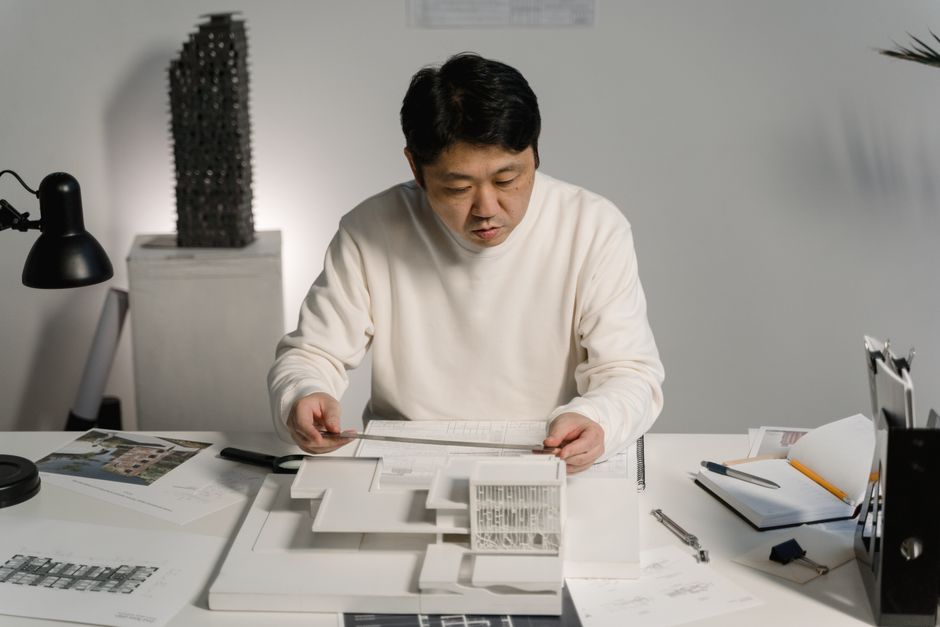
In an era where environmental concerns are at the forefront, the role of architecture in promoting sustainability has never been more critical. Sustainable architecture not only focuses on reducing the ecological footprint of buildings but also enhances the quality of life for its inhabitants. This article explores the principles, innovations, and practices of sustainable architecture firms that are paving the way for a greener future.
Understanding Sustainable Architecture
Sustainable architecture is defined as a design philosophy that seeks to minimize the negative environmental impact of buildings through thoughtful design, material selection, and building practices. The goal is to create structures that harmonize with their surroundings while also addressing the needs of the community. This approach incorporates energy efficiency, resource conservation, and the use of renewable materials. A key component of sustainable architecture is the lifecycle assessment of buildings, which evaluates the environmental impact from the initial design phase through to demolition.
Architects and builders are increasingly aware that their choices have far-reaching consequences. For instance, using locally sourced materials not only reduces transportation emissions but also supports local economies. Furthermore, integrating natural light and ventilation into building designs can significantly decrease energy consumption, thus promoting a healthier indoor environment.
Innovative Practices in Sustainable Design
Many sustainable architecture firms are embracing innovative practices that challenge conventional design methods. For example, green roofs and living walls are becoming popular features in urban buildings. These elements not only provide insulation but also promote biodiversity by creating habitats for various species. Additionally, technologies such as photovoltaic panels and geothermal systems are being integrated into building designs, allowing structures to generate their own energy.
Another trend within sustainable architecture is the use of modular construction techniques. This method allows for prefabricated components to be manufactured off-site and assembled on location, reducing waste and construction time. Studies have shown that modular buildings can produce up to 90% less waste compared to traditional construction methods. This efficiency is crucial in reducing the overall environmental impact of construction projects.
Case Studies of Successful Sustainable Architecture Firms
Several architecture firms are leading the way in sustainable design. One notable example is the firm Gensler, which has completed numerous projects focusing on sustainability. Their design of the Shanghai Tower, for instance, incorporates wind turbines and a rainwater collection system, resulting in a significantly reduced carbon footprint.
Another exemplary firm is Studio Gang, known for its innovative designs that merge with the natural environment. Their Aqua Tower in Chicago features a unique sculptural façade that not only enhances aesthetic appeal but also improves energy efficiency. The tower’s design allows for natural ventilation, reducing the reliance on mechanical cooling systems.
The Role of Policy and Community Engagement
Government policies play a crucial role in promoting sustainable architecture. Incentives such as tax credits, grants, and zoning allowances encourage architects and developers to pursue green building practices. Additionally, community engagement is essential in the decision-making process. Local stakeholders must be involved to ensure that the designs meet the needs of the community while promoting sustainability.
Public awareness campaigns about the benefits of sustainable architecture can also drive change. Educating the community about the advantages of energy-efficient buildings can lead to greater demand for sustainable practices. As more individuals recognize the importance of sustainability, the market for green buildings is likely to expand, prompting further innovations in the field.
Challenges and Future Directions
Despite the progress made in sustainable architecture, challenges remain. The initial costs of sustainable building materials and technologies can be a barrier for many developers. However, it is essential to consider the long-term savings associated with energy efficiency and reduced maintenance costs.
Looking forward, the future of sustainable architecture holds promise. As technology continues to advance, architects will have access to even more innovative materials and design strategies. The integration of artificial intelligence in the design process can also optimize energy use and enhance building performance.
Collaboration between architects, engineers, and environmental scientists will be crucial in addressing the challenges of climate change. By working together, these professionals can develop solutions that are not only sustainable but also economically viable.
Conclusion
The landscape of architecture is evolving, with sustainability at its core. As the demand for environmentally responsible buildings increases, sustainable architecture firms are stepping up to meet this challenge. By embracing innovative practices, engaging with communities, and navigating policy landscapes, these firms are not just constructing buildings; they are building a sustainable future. For those interested in learning more about these practices, exploring a sustainable architecture firm could provide valuable insights into this transformative field.