
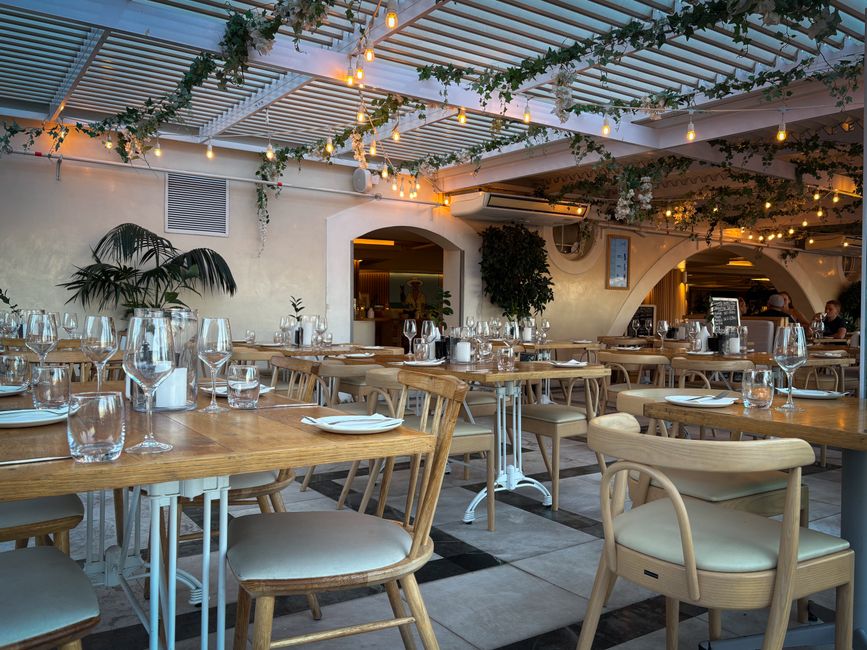
In the highly competitive world of the restaurant industry, the ambiance and interior design can make or break a dining experience. A well-thought-out restaurant interior not only attracts customers but also enhances their overall experience, encouraging repeat visits. This article delves into the intricacies of restaurant interior design, exploring key elements, current trends, and practical tips for creating an inviting atmosphere.
Understanding the Importance of Interior Design
Interior design in restaurants goes beyond mere aesthetics; it encompasses functionality, comfort, and the creation of a unique identity. The layout of tables, lighting choices, and decorative elements all contribute to the overall vibe of the restaurant. According to a survey by the National Restaurant Association, 70% of diners said that the restaurant’s ambiance plays a significant role in their decision to return.
The first impression is crucial; a well-designed space can evoke emotions, whether it be warmth, excitement, or relaxation. For example, vibrant colors and modern furniture can create a lively atmosphere in a fast-casual dining setting, while muted tones and plush seating offer a more intimate experience in fine dining establishments.
Key Elements of Restaurant Interior Design
Successful restaurant interior design incorporates several key elements, including layout, color schemes, lighting, and furnishings. Each of these elements plays a vital role in shaping the customer experience.
The layout must facilitate smooth movement for both staff and customers. An open floor plan may work well for a casual eatery, while a more segmented approach could be appropriate for fine dining. Additionally, the placement of the kitchen relates directly to the service flow, impacting efficiency and customer satisfaction.
Color schemes can influence mood and appetite. Warm colors like red and orange are known to stimulate appetite, making them popular choices in restaurants. On the other hand, cool colors can create a calming environment, suitable for establishments focusing on relaxation.
Current Trends in Restaurant Interior Design
As consumer preferences evolve, so too do trends in restaurant interior design. One notable trend is the incorporation of sustainable materials. Eco-friendly designs not only appeal to environmentally conscious consumers but also signal a restaurant’s commitment to sustainability.
Another significant trend is the use of technology in design. Smart lighting systems that adjust based on the time of day or occupancy can enhance the dining experience. Additionally, digital menus and ordering systems can streamline operations and improve customer interaction.
Open kitchens and communal seating are also gaining popularity. These designs foster a sense of community and transparency, allowing diners to engage with chefs and other guests, thereby enhancing the overall experience.
Practical Tips for Effective Design
When embarking on a restaurant interior design project, several practical tips can help ensure success. First, it is essential to define the brand identity clearly. This identity should guide every design decision, from color choices to furniture selection.
Furthermore, consider the target demographic. Understanding the preferences and expectations of your customer base can significantly inform design choices. For instance, a trendy, youthful crowd may prefer a more eclectic design, while an older clientele might gravitate toward classic elegance.
Lastly, don’t underestimate the power of lighting. Proper lighting can dramatically transform the feel of a space. Consider using a combination of ambient, task, and accent lighting to create depth and interest within the restaurant.
Conclusion: Creating Memorable Experiences
In conclusion, the art of restaurant interior design is a multifaceted endeavor that plays a crucial role in a restaurant’s success. By understanding the importance of design elements, staying abreast of current trends, and implementing practical strategies, restaurateurs can create spaces that not only attract customers but also foster memorable dining experiences. For those looking for expert guidance in this field, exploring professional resources in restaurant interior design can provide invaluable insights.