
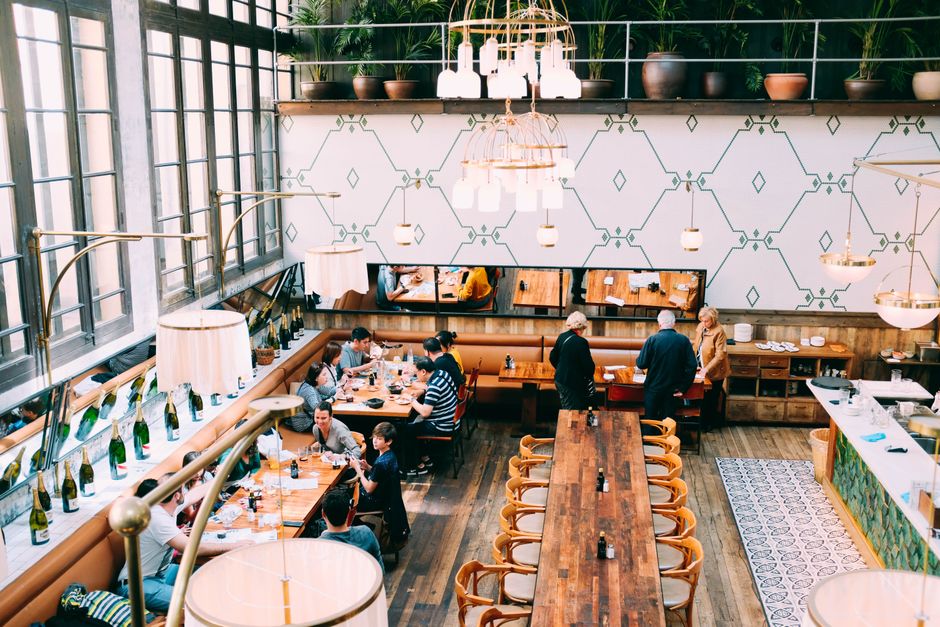
In the competitive world of dining, the ambience of a restaurant plays a crucial role in attracting and retaining customers. Restaurant interior design encompasses a wide range of elements, from layout and furniture to lighting and color schemes. This article will explore the essential components of effective restaurant interior design and how they contribute to a memorable dining experience.
Understanding the Basics of Restaurant Interior Design
Restaurant interior design is not just about aesthetics; it’s about creating an atmosphere that resonates with the brand and enhances the dining experience. The layout, furniture selection, and decor must work harmoniously to create a functional yet inviting space. According to a study by the National Restaurant Association, 30% of diners make their decision based on the restaurant’s ambience.
Effective design starts with an understanding of the target audience. For instance, a high-end restaurant may prioritize elegance and sophistication, while a casual eatery may focus on comfort and accessibility. This understanding will guide every design decision, ensuring that the interior reflects the restaurant’s concept and appeals to its clientele.
Key Elements of Restaurant Interior Design
There are several key elements to consider in restaurant interior design that can significantly impact the overall experience. These include:
- Layout: The flow of the restaurant should facilitate easy movement for both staff and customers. An open layout can create a lively atmosphere, while a more segmented approach can offer privacy.
- Furnishings: The choice of furniture can set the tone for the dining experience. Comfortable seating encourages longer stays, while stylish furnishings can enhance the overall aesthetic.
- Lighting: Proper lighting can create mood and highlight design features. A mix of ambient, task, and accent lighting can be used to achieve the desired effect.
For instance, a restaurant in a bustling city might opt for a vibrant color scheme and eclectic furniture to create an energetic vibe, while a countryside bistro might choose warm tones and rustic decor to evoke a sense of coziness.
The Importance of Color Schemes
Color plays a significant role in influencing customer perceptions. Research suggests that certain colors can evoke specific emotions and behaviors. For example, red and yellow are known to stimulate appetite, making them popular choices for fast-food restaurants.
On the other hand, blues and greens are often associated with calmness and can enhance the dining experience in fine dining establishments. Implementing a cohesive color scheme that aligns with the restaurant’s brand identity can create a memorable atmosphere that draws customers in.
Incorporating Technology in Design
In the modern dining landscape, integrating technology into restaurant interior design is increasingly important. This can range from digital menus displayed on screens to the use of smart lighting systems that adjust based on the time of day.
Additionally, considering how customers engage with technology can influence design choices. For instance, providing ample charging stations and Wi-Fi access can enhance the customer experience, particularly in establishments that cater to younger demographics.
Case Studies: Successful Restaurant Designs
Examining successful restaurant designs can provide valuable insights into effective interior design strategies. For example, the popular chain, Chipotle, utilizes a simple yet effective design that emphasizes sustainability and transparency. Their open kitchen concept allows diners to see their food being prepared, creating a sense of trust and engagement.
Another example is the renowned restaurant Noma in Copenhagen, which emphasizes natural materials and local artistry in its interior design. This not only reflects the restaurant’s commitment to local sourcing but also creates an immersive dining experience that aligns with its culinary philosophy.
Conclusion
In conclusion, restaurant interior design is a multifaceted discipline that plays a crucial role in creating memorable dining experiences. By understanding the basics of design, incorporating key elements, and staying attuned to technological advancements, restaurateurs can create inviting spaces that resonate with their customers. For those looking to elevate their restaurant’s ambience, exploring professional resources on restaurant interior design can provide valuable guidance and inspiration.