
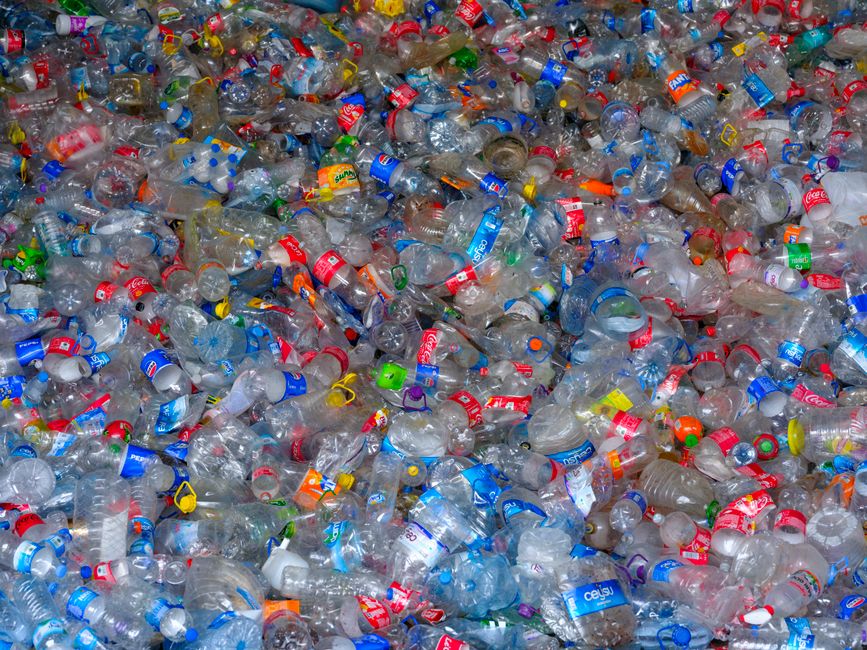
In the face of rising environmental concerns, plastic pollution has become a global crisis. Every year, millions of tons of plastic waste end up in our oceans, landfills, and natural habitats, posing serious threats to wildlife and human health. This alarming situation has led to a growing recognition of the critical role that plastic recycling companies play in mitigating these issues. By transforming waste into reusable materials, these companies not only contribute to a circular economy but also help reduce the consumption of finite resources.
The Role of Plastic Recycling Companies
Plastic recycling companies serve as the backbone of the recycling industry. They process discarded plastic products and turn them into raw materials that can be reused in manufacturing new items. This process significantly diminishes the need for virgin plastic, which is derived from fossil fuels. For example, the production of recycled PET (rPET) uses approximately 50% less energy compared to creating new PET from petroleum. The energy savings alone highlight the importance of these companies in the larger context of energy conservation.
Moreover, plastic recycling companies create job opportunities, from collection to processing and logistics. According to a report by the National Recycling Coalition, the recycling industry supports over 1.1 million jobs in the United States alone. This statistic underscores the economic benefits that accompany environmental sustainability efforts.
Innovations in Plastic Recycling
The plastic recycling sector is continuously evolving, with innovative technologies emerging to enhance efficiency and effectiveness. Advanced sorting technologies, such as AI-driven systems, allow for more precise separation of different types of plastics, which is crucial for recycling. For instance, a company might use machine learning algorithms to identify and sort plastics by type and color, leading to higher quality recycled materials.
Additionally, chemical recycling methods have gained traction. Unlike traditional mechanical recycling, which can degrade the quality of plastics, chemical recycling breaks down plastics into their basic building blocks. This allows for the creation of new plastics that are virtually identical to virgin materials. Companies like Loop Industries are at the forefront of this technology, demonstrating that innovation can lead to more sustainable practices in the industry.
Challenges Faced by Plastic Recycling Companies
Despite their crucial role, plastic recycling companies face numerous challenges. One significant issue is the contamination of recyclable materials. When non-recyclable items are mixed with plastics, it can render entire batches unusable, leading to increased waste. Consumer education and awareness are vital in addressing this issue, as proper disposal practices can significantly impact recycling rates.
Another challenge is the fluctuating market demand for recycled materials. Prices for virgin plastics can often be lower than those for recycled alternatives, making it difficult for recycling companies to compete. To combat this, some regions have implemented policies such as minimum recycled content standards, which mandate the use of recycled materials in manufacturing. Such regulations can help stabilize demand and ensure the longevity of plastic recycling companies.
The Future of Plastic Recycling
The future of plastic recycling companies is closely tied to global efforts toward sustainability. As more governments and organizations commit to reducing plastic waste, the demand for recycling services is expected to grow. Initiatives like the Ellen MacArthur Foundation’s Global Commitment aim to eliminate problematic plastic waste and promote circular economy principles, which will benefit plastic recycling companies.
Furthermore, consumer preferences are shifting towards sustainable products. Businesses that prioritize sustainability in their supply chains are more likely to attract environmentally conscious consumers. This trend indicates a promising future for plastic recycling companies, as they align their operations with market demands.
Conclusion
Plastic recycling companies are essential players in the pursuit of a sustainable future. They not only help reduce the environmental impact of plastic waste but also contribute to economic growth through job creation and innovation. As challenges persist, the industry must adapt and evolve, harnessing technology and consumer engagement to overcome obstacles. By supporting these companies, we can all play a part in fostering a healthier planet for future generations. For more information on the impact of recycling, visit a reliable plastic recycling company that focuses on sustainability.