
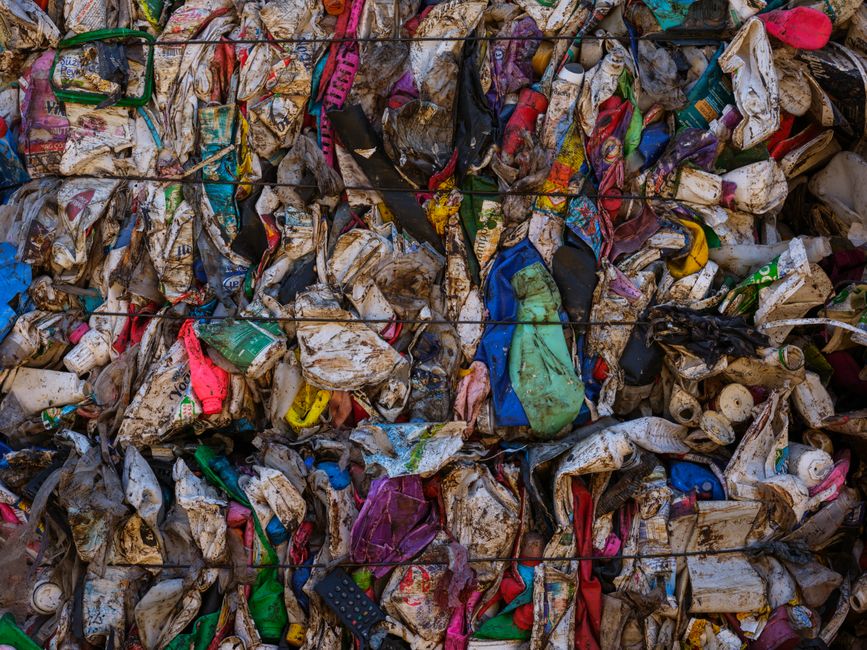
As the world grapples with the alarming rise of plastic waste, the role of plastic recycling companies has never been more crucial. These companies not only help mitigate environmental impact but also play a significant role in promoting a circular economy. In this article, we will explore the operational frameworks, challenges, and innovations within the plastic recycling industry, highlighting its importance in our sustainable future.
Understanding the Plastic Recycling Process
The plastic recycling process involves several stages, beginning with the collection of plastic waste. This waste can come from various sources, including households, businesses, and industrial operations. Once collected, the materials are sorted based on their resin types, such as PET, HDPE, and PVC. Each type of plastic has different properties, making proper sorting essential for effective recycling.
After sorting, the plastics undergo cleaning to remove contaminants like food residues and labels. This step is vital to ensure high-quality recycled materials. Once cleaned, the plastics are shredded into small flakes or pellets, which can then be melted down to create new plastic products. This entire process not only reduces the amount of waste sent to landfills but also conserves energy and resources.
Challenges Faced by Plastic Recycling Companies
Despite their importance, plastic recycling companies face numerous challenges. One significant issue is the contamination of recyclable materials. Many consumers are unaware of proper recycling practices, leading to contaminated batches that can undermine the recycling process. According to a study by the National Recycling Coalition, approximately 25% of materials placed in recycling bins are not recyclable.
Additionally, fluctuations in the market for recycled plastics can create economic challenges for these companies. When oil prices drop, the cost of virgin plastic becomes cheaper, making it less economical for manufacturers to use recycled materials. This situation can lead to reduced demand for recycled plastics, creating a cycle that threatens the viability of recycling operations.
Innovations in the Plastic Recycling Sector
In response to these challenges, many plastic recycling companies are adopting innovative technologies and practices. One notable advancement is the development of advanced sorting systems that use artificial intelligence and machine learning to identify and sort plastics more efficiently. These systems can significantly improve the accuracy of sorting, leading to higher quality recycled materials.
Moreover, some companies are exploring chemical recycling methods, which can break down plastics into their original monomers. This process allows for the recycling of plastics that are typically difficult to recycle mechanically, broadening the range of materials that can be processed. For instance, chemical recycling can convert certain types of mixed plastics that are usually discarded into valuable feedstock.
The Role of Legislation in Promoting Recycling
Government policies and regulations play a critical role in shaping the landscape of the plastic recycling industry. Many countries have implemented strict regulations aimed at reducing plastic waste and promoting recycling. For instance, extended producer responsibility (EPR) laws require manufacturers to take responsibility for the entire lifecycle of their products, including end-of-life disposal.
Such regulations can incentivize companies to invest in sustainable practices and improve recycling rates. Moreover, public awareness campaigns can educate consumers about the importance of proper recycling, further supporting the efforts of plastic recycling companies. For example, initiatives that encourage businesses and consumers to engage in recycling can foster a culture of sustainability.
Future Trends in Plastic Recycling
The future of plastic recycling companies looks promising as innovation and sustainability continue to be at the forefront of the industry. With increasing consumer demand for sustainable products, companies are finding new ways to incorporate recycled materials into their supply chains. Brands that use recycled plastics often promote their products as environmentally friendly, appealing to eco-conscious consumers.
Moreover, the rise of bioplastics—plastics derived from renewable sources—could change the dynamics of the recycling market. These materials can potentially reduce reliance on fossil fuels and minimize plastic waste. The integration of bioplastics into recycling streams presents both opportunities and challenges, requiring further research and development to optimize their recyclability.
As we move forward, the collaboration between plastic recycling companies, manufacturers, and consumers will be essential. Together, they can create a more sustainable future by embracing circular economy principles, reducing waste, and maximizing the value of recycled materials. By supporting a plastic recycling company, consumers can actively contribute to this vital effort.
Conclusion
In conclusion, plastic recycling companies are integral to addressing the global plastic waste crisis. Through innovative processes, effective legislation, and public support, the industry has the potential to transform waste into valuable resources. As individuals and businesses become more aware of their environmental impact, the importance of supporting plastic recycling initiatives will only continue to grow. The transition to a sustainable future relies on the collective efforts of all stakeholders involved in the recycling ecosystem.