
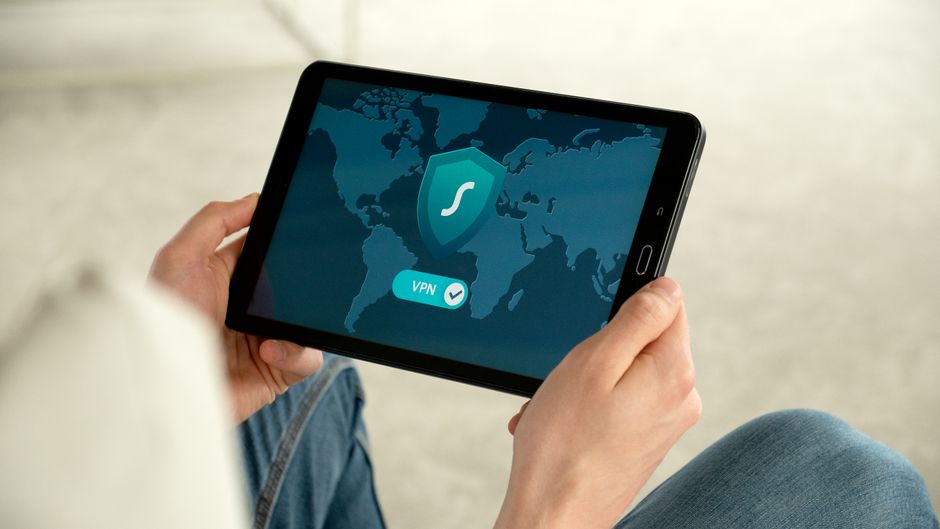
In an age where digital privacy and security are paramount, the use of a Virtual Private Network (VPN) service has become increasingly essential. With rising concerns about online surveillance, data breaches, and intrusive advertising, a VPN can offer users a layer of protection that is hard to achieve otherwise. This article delves into the importance of VPNs, how they work, and the best practices for choosing the right service.
Understanding VPNs: What Are They?
A Virtual Private Network (VPN) is a service that creates a secure and encrypted connection over a less secure network, such as the Internet. Essentially, it allows users to send and receive data while maintaining privacy and security. By using a VPN, your internet traffic is routed through a server controlled by the VPN provider, which masks your IP address and encrypts your data.
When you connect to a VPN, your online activities are hidden from your Internet Service Provider (ISP) and other third parties. This added layer of privacy is particularly important in today’s world, where data collection is rampant. According to a recent survey, over 70% of internet users are concerned about their online privacy, highlighting the need for tools like VPNs.
Furthermore, VPNs can help you bypass geographical restrictions. For instance, if you want to access content from a specific country, a VPN can make it appear as though you are browsing from that location. This is particularly useful for accessing streaming services that may not be available in your region.
The Benefits of Using a VPN Service
Using a VPN service comes with numerous benefits that enhance your online experience. Firstly, it greatly enhances your security. By encrypting your internet connection, a VPN protects you from various cyber threats, including hacking and phishing attempts. This is especially crucial when using public Wi-Fi networks, which are often less secure.
Moreover, a VPN can improve your online anonymity. Your real IP address is hidden, making it difficult for websites and advertisers to track your browsing habits. This level of anonymity can help you avoid targeted ads and maintain your privacy online.
Additionally, a VPN can help you save money on online purchases. Many e-commerce sites adjust their prices based on your location. By using a VPN, you can shop from different locations and potentially find better deals.
Choosing the Right VPN Service
With a myriad of VPN services available, selecting the right one can be challenging. Here are some factors to consider:
1. **Security Features**: Look for VPNs that offer strong encryption protocols, a no-logs policy, and additional features like kill switches and DNS leak protection.
2. **Speed and Performance**: A good VPN should not significantly slow down your internet connection. Look for services that have a reputation for maintaining high speeds.
3. **Server Locations**: The more servers a VPN has, the better your chances of finding a fast connection. A diverse range of server locations also allows you to access content from various regions.
4. **User Friendliness**: The VPN should have an intuitive interface and be easy to set up and use. Good customer support is also a plus.
5. **Price**: While free VPN options exist, they often come with limitations. Investing in a reputable paid VPN service, such as VPN service, can provide better security and features.
Common Misconceptions About VPNs
Despite their popularity, several misconceptions about VPNs persist. One common myth is that VPNs make you completely anonymous online. While they do enhance your privacy, they do not guarantee complete anonymity. Users should still practice good online habits.
Another misconception is that using a VPN is illegal. In most countries, using a VPN is entirely legal. However, some regions may have restrictions on VPN use, particularly in countries with strict internet censorship.
Lastly, some people believe VPNs are only for tech-savvy individuals. In reality, VPN services have become user-friendly and accessible to anyone, regardless of their technical expertise.
Conclusion: The Future of Online Privacy
As online threats continue to evolve and concerns about privacy grow, the importance of using a VPN service cannot be overstated. They not only protect your personal information but also enhance your overall online experience. By understanding how VPNs work and the benefits they offer, you can make informed decisions about your digital security. In a world where your online footprint can be tracked and exploited, investing in a reliable VPN service is a step towards safeguarding your privacy and freedom online.