In an era where visual communication reigns supreme, the significance of 3D rendering services has soared. Whether in architecture, product design, or marketing, the ability to create lifelike visualizations can make or break a project. This article delves into the various dimensions of 3D rendering services, exploring their benefits, applications, and future trends that are set to transform industries.
The Evolution of 3D Rendering
3D rendering has come a long way since its inception. Initially, it was a niche skill confined to specialized industries. However, advancements in technology have democratized this service, making it accessible to a wider audience. Today, various software solutions allow designers to create stunning visuals that were once deemed impossible.
For instance, the introduction of real-time rendering technology has revolutionized how designers work. This innovation enables them to view changes instantly, significantly reducing the time needed for revisions. According to a recent survey, 75% of designers reported that real-time rendering improved their workflow dramatically.
Moreover, the rise of cloud computing has facilitated collaborative efforts in 3D rendering. Teams can now work simultaneously on projects from different locations, enhancing productivity and creativity. The combination of these technologies illustrates how 3D rendering has evolved into an essential tool for modern design.
Applications of 3D Rendering Services
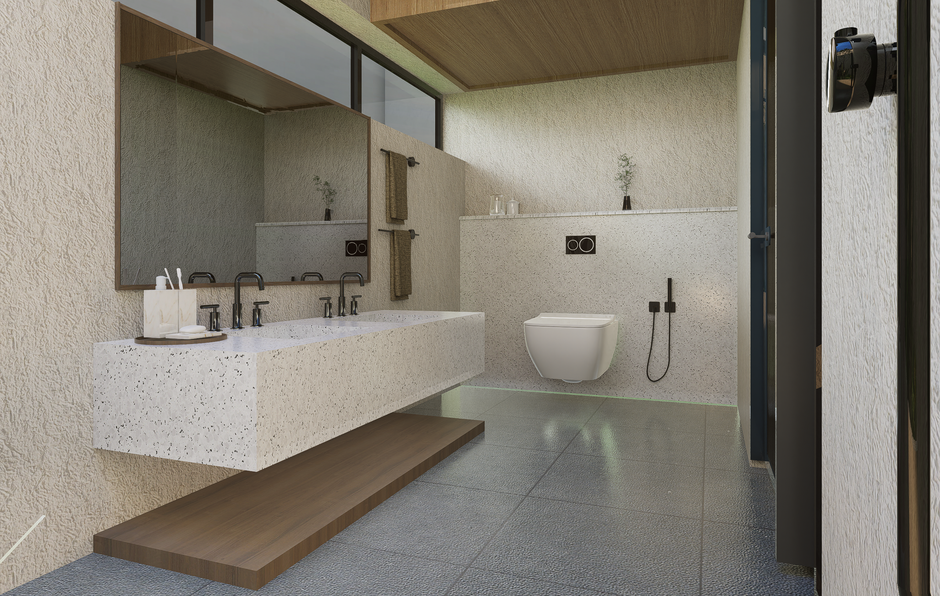
The applications of 3D rendering services are vast and varied. One of the most prominent industries utilizing these services is architecture. Architects use 3D renderings to present their designs to clients, allowing them to visualize the final product before construction begins. This not only enhances client satisfaction but also minimizes costly changes during the building phase.
Product design is another area where 3D rendering shines. Designers can create realistic models of their products, enabling them to test aesthetics and functionality before production. For example, companies in the automotive sector often use 3D rendering to showcase new vehicle designs, helping them gauge consumer reactions without the need for physical prototypes.
Additionally, marketing agencies leverage 3D rendering services to create engaging advertisements. High-quality visuals can significantly impact consumer behavior, leading to increased sales. Businesses that incorporate 3D renderings into their marketing strategies have reported up to a 30% increase in customer engagement.
Benefits of Using 3D Rendering Services
The benefits of utilizing 3D rendering services are manifold. Firstly, these services facilitate better communication among stakeholders. When clients can see a realistic representation of a project, misunderstandings are minimized, leading to smoother project execution.
Secondly, 3D renderings provide an opportunity for creative exploration. Designers can experiment with various elements such as materials, colors, and lighting effects, allowing for a more creative design process. This flexibility often results in innovative solutions that set projects apart from competitors.
Lastly, 3D rendering services can save time and money. By identifying potential issues early in the design process through visualizations, companies can avoid expensive revisions later on. A study indicated that companies that used 3D rendering services reduced their design errors by 40%, highlighting the financial advantages of this technology.
The Future of 3D Rendering Services
As technology continues to advance, the future of 3D rendering services looks promising. One significant trend is the integration of virtual and augmented reality (VR and AR). These technologies allow users to immerse themselves in 3D environments, enhancing the visualization experience further.
Additionally, the rise of Artificial Intelligence (AI) in 3D rendering is set to streamline processes. AI algorithms can automate repetitive tasks, allowing designers to focus on more complex aspects of their work. This shift could lead to faster project turnaround times and higher-quality outputs.
Furthermore, as sustainability becomes a focal point in design, 3D rendering services can assist in creating eco-friendly solutions. By simulating energy consumption and material usage, designers can make informed decisions that align with sustainable practices.
Conclusion
In conclusion, 3D rendering services are not just a passing trend but a transformative force in various industries. Their ability to enhance communication, foster creativity, and save time makes them invaluable. As we move toward a future dominated by technology, the role of 3D rendering will only grow, paving the way for innovative designs and solutions. For those looking to harness the power of 3D rendering, it’s essential to partner with experts in the field, such as those offering 3D rendering service, to achieve the best results.