
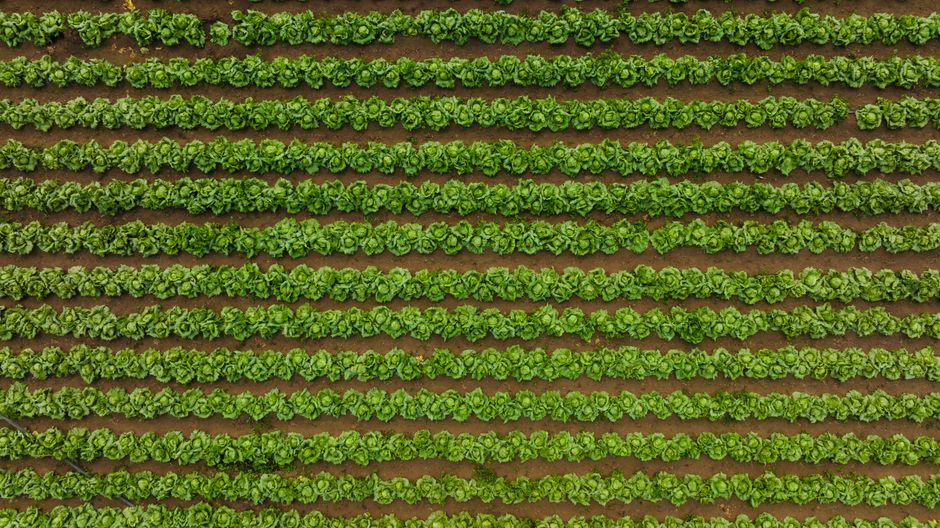
Organic farming has surged in popularity over the past few decades, driven by a growing awareness of environmental issues and health concerns. As consumers increasingly seek out organic products, farmers are looking for the best organic farming supplies to help them meet this demand. This article will delve into the essentials of organic farming supplies, their benefits, and how they can enhance sustainable farming practices.
Understanding Organic Farming Supplies
Organic farming supplies encompass a wide range of products necessary for maintaining healthy, sustainable farming practices without the use of synthetic chemicals. These supplies include organic seeds, fertilizers, pest control solutions, and soil amendments. By utilizing these products, farmers can improve crop health while adhering to organic farming standards.
The importance of sourcing quality organic farming supplies cannot be overstated. Using the right products not only boosts yields but also reduces the environmental impact of farming. For instance, organic fertilizers, which are derived from natural sources, provide essential nutrients to plants while promoting soil health.
Moreover, with a shift towards organic farming, suppliers have diversified their offerings to cater to this growing market. Farmers can now find a plethora of organic farming supplies that are effective and eco-friendly, making it easier than ever to transition to organic practices.
Choosing the Right Organic Seeds
One of the most critical components of successful organic farming is selecting the right seeds. Organic seeds are sourced from plants that have not been genetically modified and are grown without synthetic pesticides or fertilizers. This ensures that the crops not only meet organic certification standards but also contribute to the overall health of the ecosystem.
Farmers should consider factors such as climate, soil type, and crop rotation when choosing organic seeds. For instance, heirloom varieties are often favored for their resilience and flavor, while hybrid seeds may offer better disease resistance. It’s essential to research and select seeds that are well-suited to specific farming conditions.
Additionally, many farmers are increasingly opting for biodynamic seeds, which are part of a holistic approach to farming that emphasizes the interconnectedness of soil, plants, and animals. This method promotes biodiversity and enhances the resilience of the farming system.
Natural Fertilizers and Soil Amendments
Organic fertilizers and soil amendments play a vital role in maintaining soil fertility and crop health. Unlike synthetic fertilizers, which can deplete soil quality over time, organic fertilizers are derived from natural sources such as compost, manure, and plant materials. These fertilizers not only nourish plants but also improve soil structure and microbial activity.
For example, compost is an excellent organic fertilizer that enriches the soil with nutrients while promoting beneficial microorganisms. Farmers should aim to create a balanced compost mix to ensure that crops receive a well-rounded nutrient profile. Furthermore, soil amendments such as bone meal and fish emulsion can provide additional nutrients and enhance soil health.
Implementing crop rotation and cover cropping are also effective strategies for maintaining soil fertility. These practices help prevent nutrient depletion and reduce the risk of pest infestations, leading to healthier crops and improved yields.
Effective Pest Management Solutions
Pest management is a significant concern for organic farmers, as they must find solutions that comply with organic standards. Fortunately, there are many natural pest control products available that can help manage pest populations without harming beneficial insects or the environment.
For example, neem oil is a popular organic pest control solution known for its effectiveness against a variety of pests, including aphids and spider mites. Additionally, introducing beneficial insects such as ladybugs and lacewings can help control pest populations naturally.
Farmers should also consider implementing integrated pest management (IPM) strategies, which combine biological, cultural, and mechanical methods to manage pests effectively. By focusing on prevention and using a combination of techniques, farmers can minimize the reliance on any single pest control method, ensuring a healthier farm ecosystem.
Building a Sustainable Organic Farming Community
To thrive in the organic farming sector, it’s essential to build a robust community of like-minded farmers, suppliers, and consumers. Networking with others in the organic farming community can lead to valuable exchanges of knowledge, resources, and organic farming supplies.
Participating in local farmers’ markets and joining organic farming associations can also provide opportunities to connect with fellow farmers and share insights about best practices. These connections can be invaluable in navigating the challenges of organic farming, from sourcing quality supplies to marketing products effectively.
Moreover, engaging consumers in the organic farming journey can foster a greater appreciation for the benefits of organic produce. Educating consumers about the importance of supporting local organic farmers can help create a demand for organic products, ultimately benefiting the entire community.
Conclusion
Organic farming is more than just a trend; it’s a sustainable approach to agriculture that benefits both the environment and human health. By investing in quality organic farming supplies, farmers can enhance their practices, improve crop yields, and contribute to a healthier planet. As the demand for organic products continues to rise, understanding the essentials of organic farming supplies will be crucial for success in this evolving market. For those looking to explore and purchase quality organic farming supplies, consider visiting organic farming supplies.