
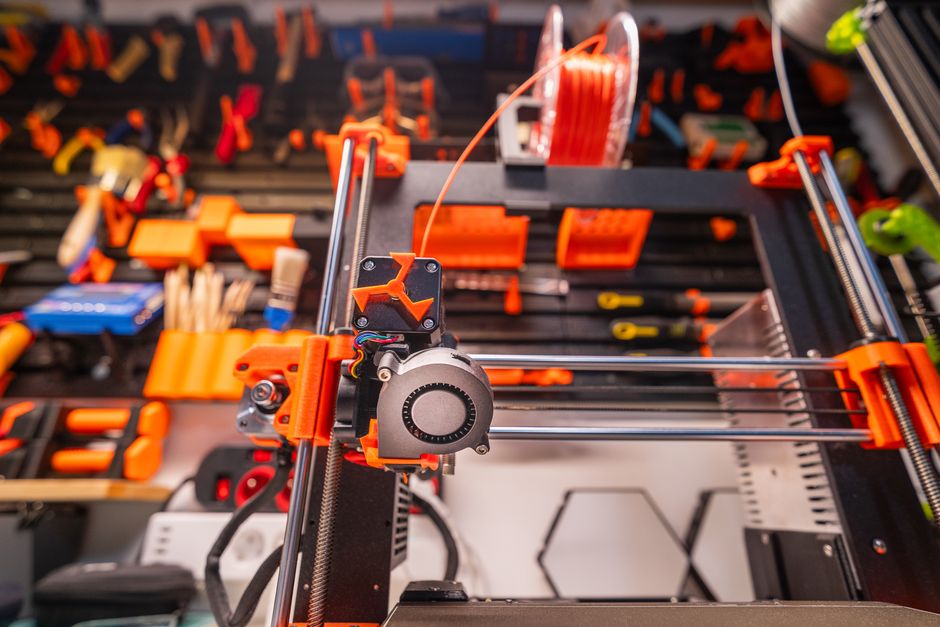
The advent of 3D printing technologies has revolutionized numerous industries, offering unparalleled opportunities for innovation and efficiency. As businesses and individuals alike seek to leverage these advancements, the demand for 3D printing services has surged. This article explores the transformative impact of 3D printing, its applications across various sectors, and the benefits it brings to the table.
Understanding 3D Printing Technology
3D printing, also known as additive manufacturing, involves creating three-dimensional objects from digital files. The process typically involves layering materials to build the desired shape, allowing for intricate designs that traditional manufacturing methods may struggle to achieve. This technology has gained traction since the 1980s, but recent advancements have made it more accessible and affordable, sparking a new wave of creativity.
Among the various materials used in 3D printing are plastics, metals, and even biological materials. Each material offers unique properties, catering to different needs. For instance, while plastics are versatile and widely used for prototypes, metals are favored in aerospace and automotive applications due to their strength and durability.
As the technology continues to evolve, new printing techniques, such as selective laser sintering (SLS) and fused deposition modeling (FDM), have emerged, enhancing the efficiency and capabilities of 3D printing. These innovations are central to the growing reliance on 3D printing services in modern manufacturing.
Applications Across Industries
The versatility of 3D printing allows it to be utilized in a multitude of sectors. In healthcare, for example, 3D printing is making waves with the production of custom prosthetics and dental implants tailored to individual patients. This customization not only improves patient comfort but also enhances the overall effectiveness of medical devices.
In the automotive industry, manufacturers are increasingly using 3D printing for rapid prototyping and small-scale production. This approach significantly reduces time to market, allowing companies to test designs quickly and respond to consumer feedback efficiently. Additionally, it enables the production of complex components that would be challenging or impossible to create with traditional methods.
The aerospace sector is another area where 3D printing is making significant inroads. Companies like Boeing and Airbus are experimenting with 3D-printed parts to reduce weight and improve fuel efficiency. By utilizing advanced materials and innovative designs, they are pushing the boundaries of what is possible in aircraft manufacturing.
Cost-Effectiveness and Sustainability
One of the most compelling advantages of 3D printing is its potential for cost savings. Traditional manufacturing often involves significant material waste, as excess material is cut away from larger blocks. In contrast, 3D printing is an additive process, meaning that material is only used where necessary. This efficiency can lead to substantial reductions in material costs over time.
Moreover, the ability to produce items on-demand minimizes inventory costs and reduces the need for storage space. Businesses can order parts as needed, avoiding the pitfalls of overproduction and excess stock. This flexibility is particularly valuable for small businesses and startups looking to optimize their operations.
Sustainability is another critical aspect of 3D printing that cannot be overlooked. As companies strive to meet environmental goals, 3D printing offers a path toward more sustainable manufacturing practices. By reducing waste, utilizing eco-friendly materials, and enabling localized production, this technology aligns with the growing emphasis on sustainability across industries.
The Future of 3D Printing Services
The future of 3D printing services looks promising, with continuous advancements expected to reshape the landscape further. As the technology becomes more sophisticated, we can anticipate the development of even more specialized applications and materials. For instance, the rise of bioprinting, which involves printing living tissues, holds the potential to revolutionize the medical field, paving the way for organ transplants and regenerative medicine.
Moreover, as businesses increasingly adopt 3D printing, the market for related services will expand. Companies providing 3D printing services will be positioned at the forefront of this growth, offering expertise and support to organizations looking to integrate this technology into their operations.
In conclusion, 3D printing is not merely a trend; it is a transformative technology that is reshaping industries and redefining manufacturing practices. Its versatility, cost-effectiveness, and sustainability make it an invaluable tool for businesses and individuals alike. As we look to the future, the potential applications of 3D printing are limited only by our imagination.