
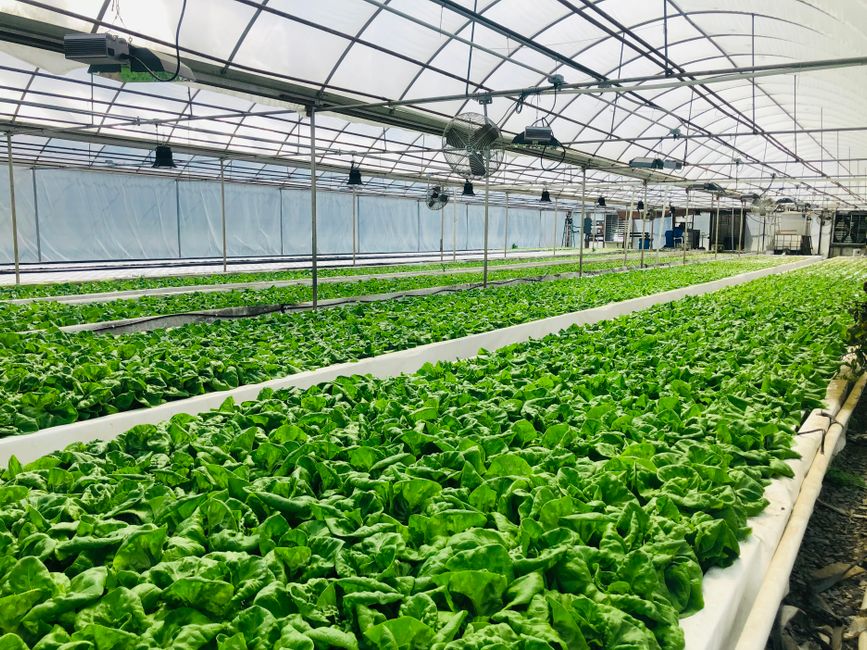
In recent years, sustainable gardening practices have gained immense popularity, and aquaponics is at the forefront of this green revolution. Combining aquaculture and hydroponics, aquaponics is a method of growing plants and raising fish in a symbiotic environment. This innovative approach not only maximizes space and resources but also offers a sustainable solution to food production. In this article, we will explore the various benefits of aquaponics kits and how they can transform your gardening experience.
What is Aquaponics?
Aquaponics is a system that integrates aquaculture (raising fish) with hydroponics (growing plants in water). In a typical aquaponics system, fish waste provides an organic nutrient source for the plants, while the plants help to filter the water for the fish. This closed-loop system creates a sustainable environment that minimizes waste and maximizes productivity.
The beauty of aquaponics lies in its ability to produce food without the need for chemical fertilizers or pesticides. The plants thrive on the natural nutrients produced by the fish, making it a chemical-free way to grow fresh vegetables and herbs. Additionally, aquaponics systems use significantly less water than traditional soil gardening, as water is recirculated throughout the system.
Many people are turning to aquaponics as a way to grow their own food in urban environments where space is limited. With the right aquaponics kit, anyone can set up their own system at home, regardless of their gardening experience.
The Advantages of Using Aquaponics Kits
Aquaponics kits offer numerous advantages for both novice and experienced gardeners. One of the primary benefits is the convenience they provide. Most kits come with all the necessary components, including tanks, pumps, grow beds, and instructions, making it easy to get started without needing extensive knowledge of aquaponics.
Moreover, aquaponics kits are designed to be user-friendly. Many kits include automated features, such as timers and sensors, which help regulate water flow and nutrient levels, reducing the amount of time and effort required to maintain the system. This automation allows gardeners to spend more time enjoying their plants and less time worrying about the technical aspects.
Additionally, aquaponics kits can be a great educational tool. They provide a hands-on learning experience for individuals and families, teaching the principles of ecology, biology, and sustainability. Children and adults alike can benefit from understanding where their food comes from and how ecosystems interact.
Choosing the Right Aquaponics Kit
When selecting an aquaponics kit, it’s essential to consider several factors to ensure you choose the right system for your needs. First, assess the available space in your home or garden. Kits come in various sizes, from small countertop models to larger backyard systems. Understanding your space limitations will help you narrow down your options.
Next, consider the types of plants and fish you would like to cultivate. Some kits are designed specifically for growing certain types of plants, while others may allow for a broader range of options. Additionally, the compatibility of fish species with plant types is crucial for a successful aquaponics system.
Finally, read reviews and compare the features of different kits. A reliable kit should come with clear instructions, quality materials, and a good warranty. A little research can go a long way in ensuring you invest in a kit that meets your expectations.
Maintaining Your Aquaponics System
Once you’ve set up your aquaponics kit, maintenance is key to ensuring its success. Regular monitoring of water quality is vital, as both fish and plants require specific conditions to thrive. Testing pH, ammonia, nitrate, and nitrite levels will help you maintain a healthy environment.
Feeding the fish is another critical aspect of maintenance. Choose high-quality fish food that meets the nutritional needs of your fish species. Remember that overfeeding can lead to water quality issues, so it’s essential to follow feeding guidelines based on the number of fish and their size.
Additionally, regular harvesting of plants will encourage new growth and prevent overcrowding. Many growers find joy in watching their plants flourish and harvesting fresh produce for their meals. This cycle of growth and harvest is one of the most rewarding aspects of aquaponics gardening.
Conclusion
Aquaponics kits represent a revolutionary approach to sustainable gardening, offering a unique way to grow food while conserving resources. With the convenience and educational benefits they provide, it’s no wonder that more people are embracing this method of food production. Whether you’re an experienced gardener or just starting, investing in an aquaponics kit can lead to a fulfilling and productive gardening experience. By integrating fish and plants in a harmonious system, you can enjoy fresh produce and fish while contributing to a more sustainable future. To explore more about aquaponics kits, you can check out this aquaponics kit.