
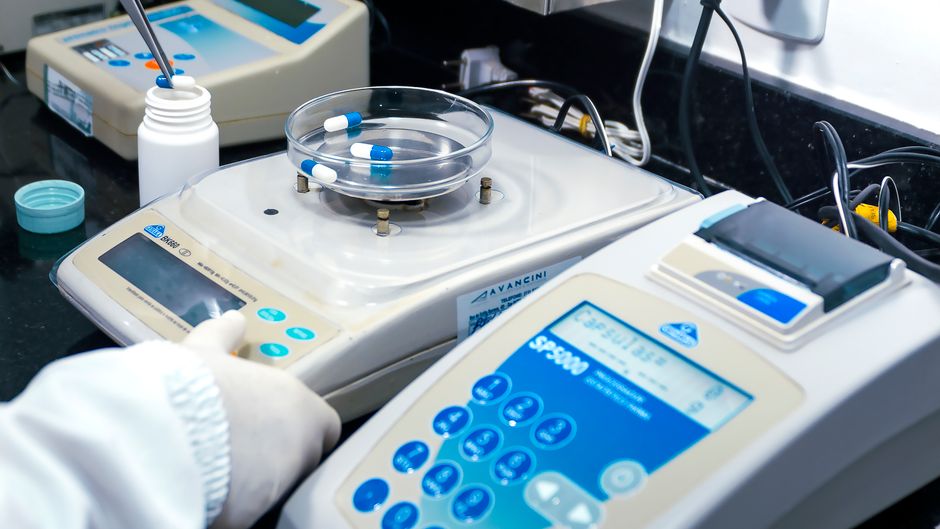
In today’s society, maintaining a drug-free environment is crucial for both personal and professional settings. Drug testing services play a pivotal role in ensuring the safety and well-being of individuals in various contexts, from workplaces to schools. As substance abuse continues to be a pressing issue, understanding the dynamics of drug testing services becomes essential.
What Are Drug Testing Services?
Drug testing services refer to a range of procedures and methodologies used to detect the presence of illegal substances or prescription medications in an individual’s system. These services are utilized by employers, healthcare providers, and law enforcement agencies to promote safety, compliance, and accountability. Typically, drug tests can be conducted through various samples, including urine, hair, saliva, and blood.
One of the primary aims of drug testing services is to deter substance abuse and encourage healthier choices among individuals. By implementing regular testing protocols, organizations can foster a safer environment and mitigate risks associated with drug use, such as accidents, decreased productivity, and legal ramifications.
Types of Drug Tests
There are several types of drug tests, each with its unique advantages and limitations. The most common types include:
- Urine Testing: This is the most widely used method due to its cost-effectiveness and efficiency in detecting a range of substances. Urine tests can identify drugs used within the past few days.
- Hair Testing: Hair tests offer a longer detection window, as drugs can be traced in hair follicles for up to 90 days. This method is particularly useful for understanding long-term substance use.
- Saliva Testing: Saliva tests are less invasive and can detect recent drug use, typically within a few hours to a couple of days.
- Blood Testing: While less common due to higher costs and invasiveness, blood tests provide accurate and immediate results, making them suitable for certain medical situations.
Choosing the right type of test often depends on the specific requirements of the organization or individual. For comprehensive solutions, many opt for a combination of these methods to ensure thorough assessments.
Benefits of Drug Testing Services
Implementing drug testing services can yield numerous benefits, particularly for employers and educational institutions. Some of the key advantages include:
- Increased Safety: Regular drug testing helps to identify individuals who may pose a safety risk due to substance abuse, ultimately reducing accidents and injuries in the workplace.
- Enhanced Productivity: Organizations that enforce drug-free policies often see higher levels of productivity, as employees are less likely to be impaired while on the job.
- Legal Compliance: Many industries are subject to regulations regarding drug testing. By adhering to these guidelines, organizations can avoid legal issues and potential fines.
- Improved Employee Morale: A drug-free workplace fosters a positive culture, encouraging employees to feel safe and valued. This can lead to higher retention rates and employee satisfaction.
For companies looking to implement or enhance their drug testing protocols, consulting with a professional drug testing service can provide the necessary expertise and resources.
Challenges in Drug Testing
While drug testing services offer significant benefits, they are not without challenges. Some common issues include:
- Privacy Concerns: Employees may feel that drug testing infringes on their personal privacy. It’s essential for organizations to communicate the purpose and process clearly to mitigate these concerns.
- Potential for False Positives: Drug tests can sometimes yield false positive results, leading to unnecessary stress and complications for those tested. Continuous advancements in testing technologies aim to reduce these occurrences.
- Cost Implications: Depending on the frequency and type of tests performed, drug testing can incur substantial costs for organizations. Balancing thoroughness and budget is key.
Despite these challenges, the importance of drug testing services cannot be overstated, especially in maintaining a safe and productive environment.
Future Trends in Drug Testing
The landscape of drug testing is continually evolving, influenced by advancements in technology and shifting societal attitudes toward drug use. Some future trends to watch include:
- Increased Use of Technology: Innovations in testing methods, such as rapid testing devices that provide immediate results, are gaining traction for their convenience and efficiency.
- Focus on Prescription Drugs: As the opioid crisis persists, there is a growing emphasis on testing for prescription medications, alongside illegal substances.
- Integration of Testing with Wellness Programs: Many organizations are beginning to incorporate drug testing into broader employee wellness initiatives, focusing on overall health and support rather than punitive measures.
As these trends develop, staying informed about the latest advancements in drug testing services will be essential for organizations aiming to maintain compliance and promote a healthy work environment.
Conclusion
Drug testing services are a crucial component of maintaining safety and accountability in various settings. By understanding the types of tests available, the benefits they offer, and the challenges they present, both employers and individuals can make informed decisions regarding substance use. As the industry continues to evolve, embracing innovative solutions and fostering open communication will be vital in navigating the complexities of drug testing in the future.