
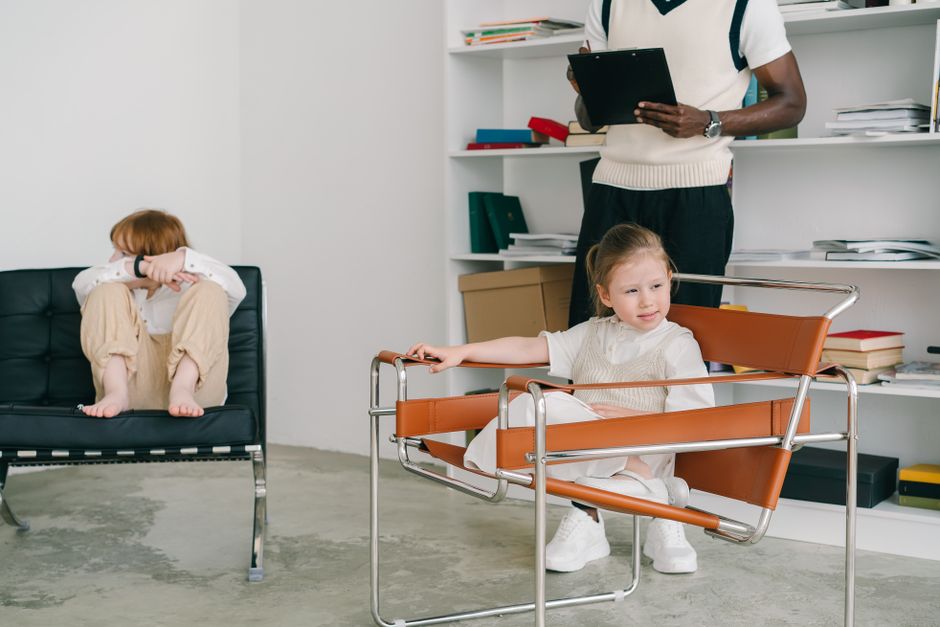
Child therapy is a crucial aspect of mental health that focuses on helping children navigate their emotional and psychological challenges. As children grow, they encounter various situations that can affect their mental well-being, including family issues, school pressures, and social interactions. This article will delve into the different types of child therapy available, their benefits, and how they can significantly impact a child’s development.
What is Child Therapy?
Child therapy encompasses a range of therapeutic approaches tailored to meet the unique needs of children. Unlike adults, children often lack the verbal skills to express their feelings and emotions. Therefore, therapists employ various techniques to communicate and assist children in processing their experiences. Common forms of child therapy include play therapy, cognitive-behavioral therapy (CBT), and art therapy, each designed to help children articulate their feelings in a safe environment.
For instance, play therapy allows children to express themselves through play, which is a natural mode of communication for them. Through play, therapists can observe children’s behaviors and interactions, which can provide insight into their emotional state. This therapeutic approach is particularly effective for younger children who may not fully understand their feelings or the situations they are facing.
The Benefits of Child Therapy
Engaging in child therapy can lead to numerous benefits, both short-term and long-term. One of the primary advantages is improved emotional regulation. Children often struggle to manage their emotions, especially in challenging situations. Therapy provides them with tools and strategies to cope with their feelings more effectively, leading to healthier emotional responses.
Moreover, therapy can enhance a child’s social skills. Many children face difficulties in social interactions, whether due to anxiety, shyness, or behavioral issues. Through group therapy or role-playing exercises, children can learn to navigate social situations, build friendships, and improve their communication skills.
Research indicates that children who participate in therapy exhibit greater resilience and adaptability. A study published in the Journal of Child Psychology and Psychiatry found that children who received therapy were more likely to develop positive coping mechanisms and showed a decrease in behavioral issues.
When to Seek Child Therapy
Recognizing when a child may need therapy can be challenging for parents. Signs that a child might benefit from therapy include persistent sadness, withdrawal from activities, changes in appetite or sleep patterns, and academic struggles. Additionally, if a child experiences significant life changes, such as a divorce, relocation, or the loss of a loved one, therapy can provide the necessary support to help them process these changes.
It’s essential for parents to approach the topic of therapy gently and positively. Discussing therapy with children can help normalize the experience and reduce any stigma associated with seeking help. Parents should reassure their children that therapy is a safe space where they can express their feelings without judgment.
Types of Child Therapy
There are various types of child therapy available, each catering to different needs. Cognitive-behavioral therapy (CBT) is one of the most common approaches, focusing on identifying and changing negative thought patterns. This method is particularly effective for children suffering from anxiety and depression.
Another approach is art therapy, which allows children to express themselves creatively. Art therapy can be especially beneficial for children who find it difficult to articulate their emotions verbally. Through drawing, painting, or other artistic mediums, children can explore their feelings in a non-threatening way.
Additionally, What is ABA therapy is a specialized technique often used for children on the autism spectrum. ABA therapy focuses on improving specific behaviors and skills through reinforcement strategies, helping children develop essential life skills.
Conclusion
Child therapy plays a vital role in fostering emotional growth and resilience in children. By providing a safe and supportive environment, therapy empowers children to understand and manage their emotions effectively. As parents, recognizing the signs that a child may need therapy and engaging them in the process can lead to significant improvements in their overall well-being. Ultimately, investing in child therapy not only benefits the child but also enhances family dynamics, creating a healthier environment for everyone involved.