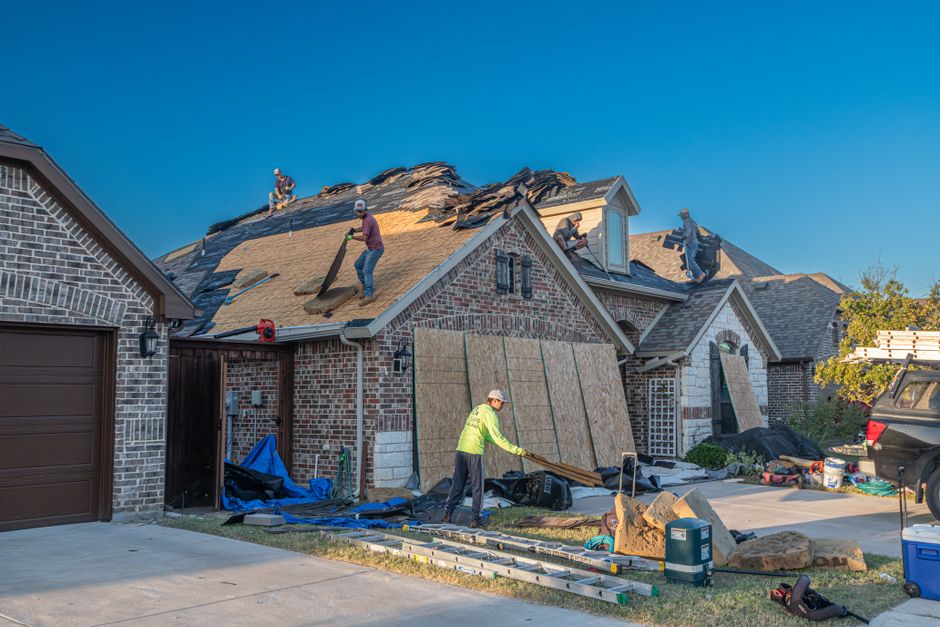
Replacing a roof is a significant investment for homeowners, often leading to questions about the costs involved. Understanding the factors that influence roof replacement costs can help you make informed decisions and budget effectively. This article will delve into the various elements that contribute to roof replacement expenses, providing you with insights to navigate this undertaking.
Factors Influencing Roof Replacement Costs
Several factors affect the overall cost of roof replacement. One of the primary considerations is the type of roofing material you choose. Common options include asphalt shingles, metal roofing, and tile, each with its own price range. Asphalt shingles are typically the most affordable, while metal and tile can be significantly more expensive due to their durability and aesthetic appeal.
Another critical factor is the size and pitch of your roof. Larger roofs require more materials and labor, leading to higher costs. Additionally, roofs with a steep pitch may require specialized equipment and safety measures, further increasing the price. Geographic location also plays a role; prices can vary widely based on regional labor costs and material availability.
Average Costs for Different Roofing Materials
To provide a clearer picture, let’s break down the average costs associated with various roofing materials. For asphalt shingles, homeowners can expect to pay between $100 to $150 per square (a square covers 100 square feet). This makes asphalt shingles a popular choice for budget-conscious homeowners.
On the other hand, metal roofing can range from $250 to $700 per square, depending on the type of metal and finish. While the initial investment is higher, metal roofs often last longer and may offer energy savings, potentially offsetting the upfront costs over time.
Tile roofing is another premium option, with prices typically ranging from $600 to $1,200 per square. Tile roofs are not only durable but also provide a distinctive look that many homeowners desire, making them worth the investment for some.
Labor Costs and Additional Expenses
Labor costs are another significant component of roof replacement expenses. On average, labor can account for 60% of the total project cost. Depending on your location and the complexity of the project, you may pay between $50 to $150 per hour for skilled labor. It’s essential to choose a reputable contractor who provides a detailed estimate that includes labor and materials.
In addition to material and labor costs, there are often additional expenses to consider. These can include the removal of the old roof, disposal fees, permits, and unexpected repairs such as fixing underlying damage to the roof deck or structural issues. Homeowners should budget for these potential costs to avoid surprises during the project.
Financing Your Roof Replacement
Given the substantial investment involved in roof replacement, many homeowners explore financing options. Some roofing companies offer financing plans that allow you to spread payments over time. Additionally, personal loans or home equity lines of credit can be viable options for funding your roof replacement.
It’s crucial to evaluate the terms of any financing arrangement to ensure it fits within your budget. Comparing interest rates and payment terms can help you find a plan that works best for your financial situation.
Conclusion: Making Informed Decisions
In conclusion, understanding the various factors that influence roof replacement costs empowers homeowners to make informed decisions. From choosing the right materials to budgeting for labor and additional expenses, careful planning is essential. Remember to gather multiple quotes from reputable contractors and consider your long-term goals when making your choice. For more detailed insights on roof replacement cost, it’s advisable to consult with professionals who can provide tailored advice based on your specific circumstances.