
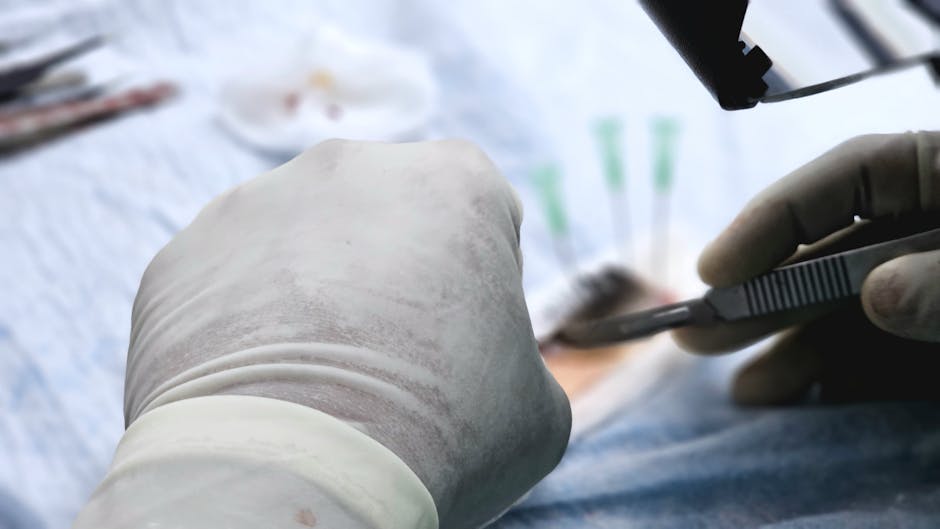
Hair loss can be a distressing experience for many individuals, affecting not only their appearance but also their self-esteem. A hair transplant is a surgical procedure that has gained popularity as a solution for restoring hair. In this article, we will delve into the intricacies of hair transplants, including the techniques used, the benefits and risks, and what to expect during the recovery process.
What is a Hair Transplant?
A hair transplant involves moving hair follicles from a donor site, typically located at the back of the head, to areas experiencing hair thinning or baldness. This procedure is primarily used to treat male and female pattern baldness, but it can also address hair loss due to trauma, burns, or other medical conditions. The two most common techniques are Follicular Unit Transplantation (FUT) and Follicular Unit Extraction (FUE).
FUT involves removing a strip of scalp from the donor site, which is then dissected into individual grafts. On the other hand, FUE involves extracting individual hair follicles directly from the scalp, leaving tiny scars that are less noticeable. Both methods have their pros and cons, and the choice depends on the patient’s specific needs and the surgeon’s recommendation.
Benefits of Hair Transplants
One of the most significant benefits of hair transplants is the natural-looking results they can achieve. Once the transplanted hair follicles start to grow, they blend seamlessly with the existing hair, making the results virtually undetectable. Additionally, hair transplants are a long-term solution, as the transplanted hair is typically resistant to the hormone that causes hair loss.
Another advantage is the minimal downtime associated with the procedure. Many patients can return to their normal activities within a few days post-surgery. Furthermore, advancements in technology have made hair transplants less invasive, resulting in less discomfort and a quicker recovery time.
Risks and Considerations
Like any surgical procedure, hair transplants come with potential risks and complications. Some patients may experience side effects such as swelling, bruising, or even infection at the donor or transplant sites. Additionally, there is a possibility of shock loss, where existing hair may temporarily fall out after the procedure.
It is essential for prospective patients to have realistic expectations. While many individuals achieve excellent results, not everyone is a suitable candidate for a hair transplant. Factors such as the extent of hair loss, the quality of donor hair, and underlying health conditions can all influence the success of the procedure.
What to Expect During Recovery
Recovery from a hair transplant varies from person to person, but there are general guidelines to follow. Patients are usually advised to avoid strenuous activities for a week following the surgery. It is crucial to keep the scalp clean and follow the surgeon’s aftercare instructions to promote healing and reduce the risk of complications.
Most patients notice some redness and swelling in the transplant area, which typically subsides within a few days. Hair growth starts to become visible around three to four months post-procedure, with full results evident after about a year. Patience is key, as the transplanted hair will go through a natural growth cycle.
Choosing the Right Clinic
When considering a hair transplant, selecting the right clinic is paramount. Researching various clinics, reading patient reviews, and consulting with experienced surgeons can help individuals make an informed decision. Many people opt for hair transplant procedures in countries known for medical tourism, such as Turkey, where high-quality services are available at competitive prices. For those interested, exploring options like hair transplant turkey can provide valuable insights into potential treatments and clinics.
In conclusion, a hair transplant can be a life-changing procedure for those struggling with hair loss. By understanding the process, benefits, and risks, individuals can make informed decisions and embark on their journey toward renewed confidence and a fuller head of hair.