
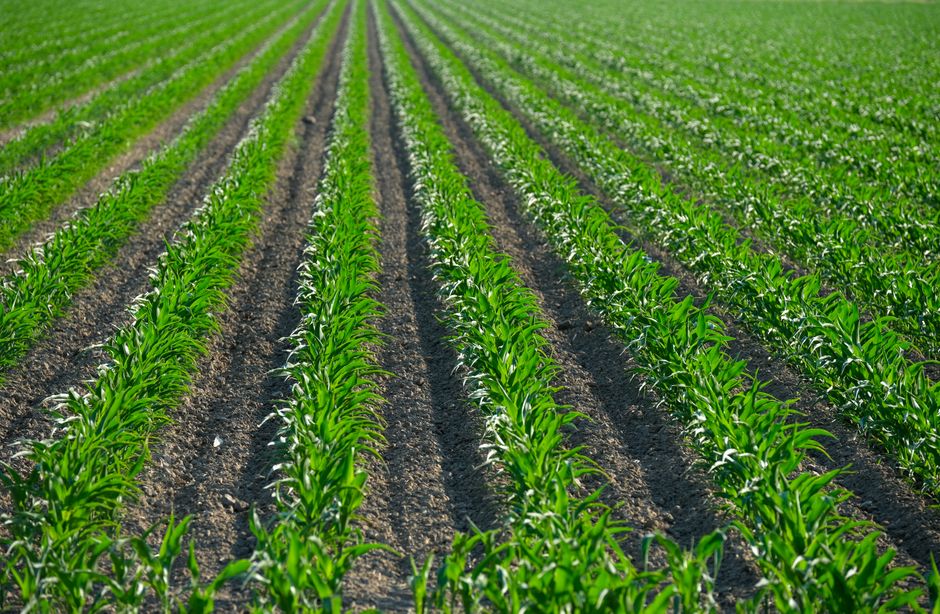
In the unpredictable world of agriculture, where weather patterns and market conditions can drastically affect yields, crop insurance emerges as a crucial tool for farmers. It provides a safety net that helps mitigate the financial risks associated with crop failure due to various unforeseen circumstances such as droughts, floods, and pest infestations. This article delves into the intricacies of crop insurance, its types, benefits, and how it operates to support farmers in maintaining their livelihoods.
The Importance of Crop Insurance
Crop insurance plays an essential role in stabilizing the agricultural economy. Farmers face numerous challenges, from natural disasters to fluctuating market prices, making it imperative for them to safeguard their investments. According to the National Agricultural Statistics Service, crop losses due to adverse weather conditions can reach billions of dollars annually. By providing financial protection, crop insurance enables farmers to recover from losses and continue their operations.
Moreover, crop insurance is not just beneficial for individual farmers; it also contributes to the overall stability of the agricultural sector. When farmers are protected against catastrophic losses, they are more likely to invest in their farms, adopt new technologies, and improve productivity. This, in turn, leads to a more robust food supply chain, benefiting consumers as well.
Types of Crop Insurance
There are primarily two types of crop insurance: Federal crop insurance and private crop insurance. Federal crop insurance is administered by the U.S. Department of Agriculture (USDA) through the Risk Management Agency (RMA). It offers various plans, including Actual Production History (APH) insurance and Revenue Protection (RP) insurance. APH insurance compensates farmers based on their historical yield, while RP insurance provides coverage based on both yield and market prices.
On the other hand, private crop insurance policies are offered by various insurance companies and may provide additional coverage options not included in federal policies. These can include multi-peril crop insurance and crop-hail insurance, which specifically protects against hail damage. Farmers often choose a combination of federal and private policies to ensure comprehensive coverage.
How Crop Insurance Works
The process of obtaining crop insurance begins with farmers assessing their needs based on the crops they grow, their historical yields, and the level of risk they are willing to accept. After selecting the appropriate policy, farmers must pay a premium, which is often subsidized by the government to make it more affordable.
Once a policy is in place, if a farmer experiences a loss due to a covered event, they must file a claim with their insurance provider. The insurance company will then evaluate the claim, which may involve field inspections and yield assessments. If approved, the farmer will receive compensation based on the terms of their policy. This system ensures that farmers have access to the necessary funds to recover from losses and continue their agricultural practices.
Benefits of Crop Insurance
The benefits of crop insurance extend beyond mere financial protection. It also encourages farmers to take calculated risks, such as trying new crops or adopting innovative farming techniques. With the assurance that they are covered against potential losses, farmers can focus on improving their yield and contributing to food security.
Additionally, crop insurance helps stabilize farm income, allowing farmers to plan better for the future. This stability can lead to increased investment in land, equipment, and resources, ultimately enhancing productivity and sustainability in agriculture. Furthermore, crop insurance can also contribute to rural economic development by supporting local businesses and maintaining jobs within agricultural communities.
Challenges and Considerations
Despite its numerous advantages, crop insurance is not without challenges. Many farmers, particularly those in high-risk areas, may find premiums to be prohibitively expensive. Additionally, understanding the complex rules and regulations surrounding crop insurance can be daunting for some farmers, leading to underinsurance or inadequate coverage.
It’s essential for farmers to work closely with insurance agents and agricultural advisors to navigate these complexities. Education and outreach programs can also play a significant role in increasing awareness and understanding of crop insurance options available to farmers. By ensuring that farmers are well-informed, the agricultural sector can better utilize the protective benefits of crop insurance.
Conclusion
In conclusion, crop insurance is a vital component of modern agriculture, providing essential financial protection for farmers against the uncertainties of nature and market fluctuations. By understanding the various types of coverage available, how the insurance process works, and the associated benefits and challenges, farmers can make informed decisions that safeguard their livelihoods. As agriculture continues to evolve, so too will the importance of crop insurance in ensuring food security and economic stability.
For more detailed information on crop insurance, farmers can consult with experts and resources available through agricultural organizations.