
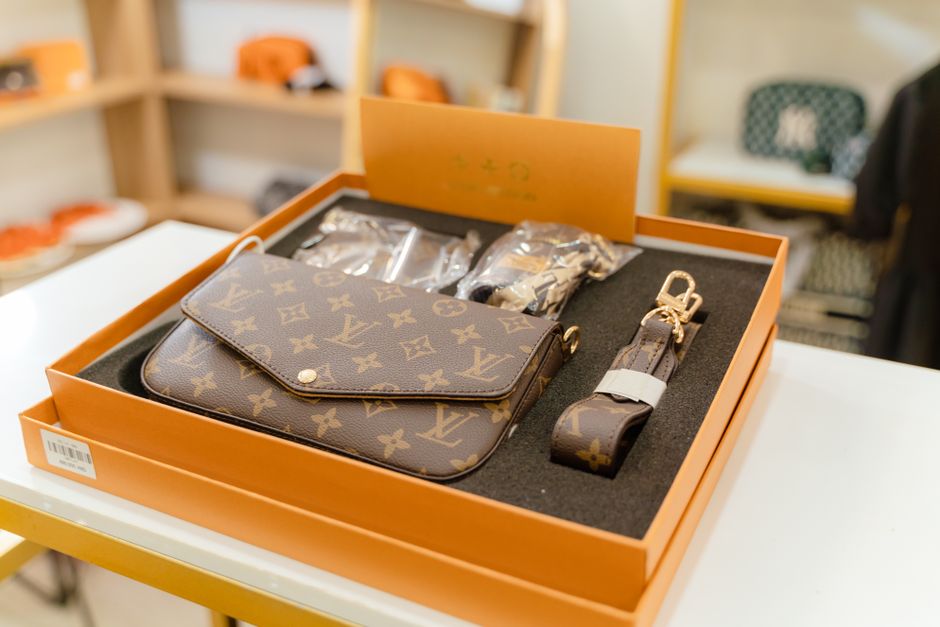
In recent years, the fashion industry has witnessed a significant transformation, particularly in the realm of luxury goods. The rise of the luxury brand reseller has created new opportunities for both consumers and entrepreneurs. This article explores the factors contributing to the flourishing of luxury brand reselling, the benefits it offers, and the challenges faced by resellers in this competitive market.
The Luxury Reselling Market: An Overview
The luxury reselling market has grown exponentially, with estimates suggesting it is worth over $30 billion globally. This growth can be attributed to several factors, including the increasing demand for sustainable fashion, the desire for unique items, and the rise of online platforms that facilitate the buying and selling of pre-owned luxury goods. Resellers are capitalizing on these trends by offering carefully curated selections of high-end items, appealing to a wide range of consumers.
One significant aspect of this market is the demographic shift. Millennials and Gen Z consumers are increasingly prioritizing experiences over ownership, leading to a higher interest in purchasing second-hand luxury items. They appreciate the value of luxury goods but are also conscious of sustainability and the environmental impact of fast fashion. This shift has led to a growing acceptance of reselling as a legitimate avenue for buying luxury items.
Benefits of Luxury Brand Reselling
For consumers, purchasing from a luxury brand reseller can offer several advantages. First and foremost, buyers often find substantial savings compared to purchasing new items directly from luxury retailers. For instance, a designer handbag that retails for $2,000 may be available for $1,200 or less in the resale market. This difference can make luxury more accessible to those who may not have previously considered it within their budget.
Additionally, the luxury brand reseller market offers consumers the chance to find rare or discontinued items that are no longer available from traditional retailers. Many fashion enthusiasts seek out unique pieces to express their individuality, and resellers can provide access to these exclusive goods. The thrill of the hunt for these items adds a layer of excitement to the shopping experience.
Challenges Faced by Luxury Brand Resellers
Despite the appealing opportunities within the luxury reselling market, resellers face several challenges. One significant hurdle is the risk of counterfeit products. The high demand for luxury goods has inevitably led to an increase in fraudulent items circulating in the market. Resellers must be diligent in verifying the authenticity of products before listing them for sale. This often requires specialized knowledge and experience, which can be daunting for newcomers.
Another challenge is the intense competition within the market. With numerous platforms available for reselling luxury items, such as Poshmark, The RealReal, and Depop, standing out can be difficult. Resellers must invest time and resources into marketing their offerings, building a brand, and creating a loyal customer base. Effective marketing strategies, such as leveraging social media and influencer partnerships, are essential for success.
The Future of Luxury Reselling
The future of luxury brand reselling appears bright, with continued growth expected in the coming years. As more consumers embrace sustainability and seek unique fashion options, the demand for pre-owned luxury goods will likely rise. Resellers who can adapt to changing consumer preferences and offer a seamless shopping experience will thrive in this evolving landscape.
Technological advancements will also play a crucial role in shaping the future of the market. Innovations such as blockchain technology for tracking the authenticity of luxury items and artificial intelligence for personalized shopping experiences are already being explored. These developments will enhance consumer trust and streamline the buying process, making luxury reselling even more appealing.
Conclusion
In conclusion, the luxury brand reseller market has emerged as a dynamic and lucrative segment of the fashion industry. With its numerous benefits for consumers, including affordability and access to unique items, it has attracted a diverse audience. However, resellers must navigate challenges such as counterfeit products and fierce competition to succeed. As the market continues to evolve, those who embrace innovation and prioritize authenticity will be well-positioned for success. For those interested in exploring this exciting world, consider connecting with a luxury brand reseller to discover the endless possibilities within the realm of luxury fashion.