
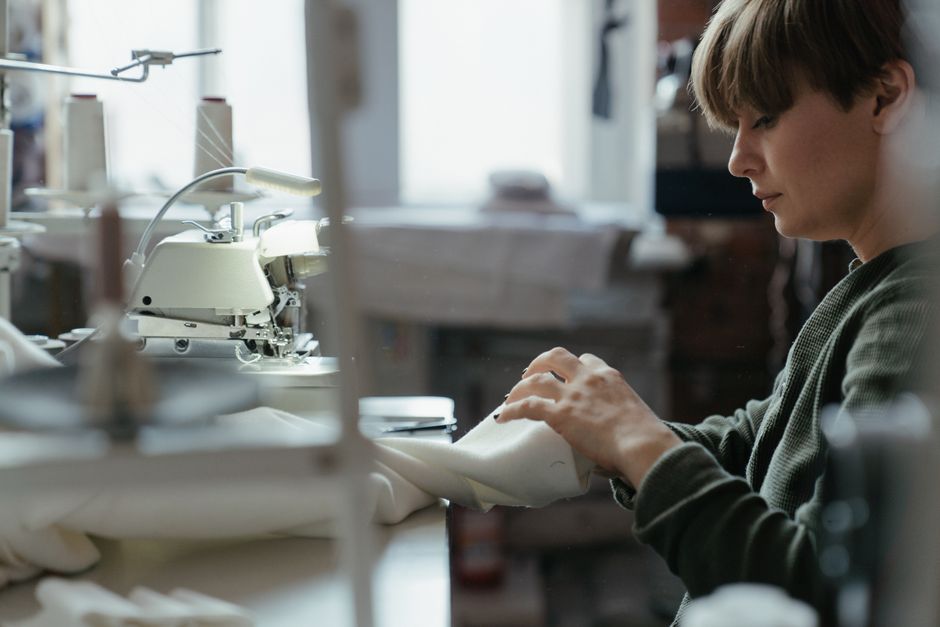
In an era where individuality and personalization are paramount, the demand for custom clothing has surged dramatically. Custom clothing manufacturers are stepping in to fulfill this need, providing unique solutions for consumers and brands alike. This article delves into the intricacies of custom clothing manufacturing, exploring its benefits, processes, and the future it holds in the fashion landscape.
Understanding Custom Clothing Manufacturing
Custom clothing manufacturing refers to the process of creating garments tailored to specific designs, sizes, and requirements. Unlike mass production, where items are created in bulk, custom clothing focuses on individual needs. This method allows for greater creativity and personalization, making it increasingly popular among fashion-forward consumers.
One of the key advantages of custom clothing is the ability to cater to diverse body types and style preferences. Brands that engage with custom clothing manufacturers can offer inclusive sizing and unique designs that resonate with their target audience. This adaptability not only enhances customer satisfaction but also builds brand loyalty.
The Process of Custom Clothing Manufacturing
The journey from concept to creation in custom clothing manufacturing involves several stages. Initially, it begins with design, where clients can submit their sketches or ideas. Designers then create prototypes, which are essential for visualizing the final product.
Once the prototype is approved, the production phase begins. This phase often involves selecting fabrics, materials, and finishing techniques that align with the client’s vision. Custom clothing manufacturers leverage advanced technology and skilled artisans to ensure high-quality craftsmanship, resulting in garments that are both stylish and durable.
Benefits of Custom Clothing
Investing in custom clothing offers numerous benefits beyond mere aesthetics. Firstly, it promotes sustainability by reducing waste associated with mass production. Custom orders are typically based on actual demand, minimizing the risk of unsold inventory.
Additionally, custom clothing provides a unique branding opportunity for businesses. By collaborating with a custom clothing manufacturer, brands can create exclusive collections that stand out in a saturated market. This exclusivity can attract a niche audience, ultimately enhancing brand recognition and prestige.
Challenges in Custom Clothing Manufacturing
Despite its advantages, custom clothing manufacturing is not without challenges. One significant hurdle is the longer lead time compared to mass production. Custom garments require more time for design and manufacturing, which can be a drawback for brands needing quick turnaround times.
Moreover, establishing effective communication between clients and manufacturers is crucial. Misunderstandings regarding design specifications or quality expectations can lead to dissatisfaction. Therefore, it is essential for businesses to choose reliable custom clothing manufacturers with a proven track record of delivering on promises.
The Future of Custom Clothing Manufacturing
The future of custom clothing manufacturing looks promising, driven by technological advancements and changing consumer preferences. With the rise of e-commerce, brands can now reach a global audience, allowing for greater customization options. Technologies such as 3D printing and artificial intelligence are also revolutionizing the industry, enabling faster production times and highly personalized designs.
As sustainability becomes a focal point for consumers, the demand for custom clothing is expected to grow further. Brands that prioritize ethical manufacturing practices and sustainability will likely attract environmentally conscious consumers, solidifying their place in the market.
Conclusion
Custom clothing manufacturing is more than just a trend; it represents a fundamental shift in the fashion industry towards personalization and sustainability. By understanding the benefits and challenges associated with this approach, brands can leverage custom manufacturing to enhance customer satisfaction and foster brand loyalty. As we look to the future, the role of custom clothing manufacturers will undoubtedly become more significant, shaping the way we think about fashion and individuality.