
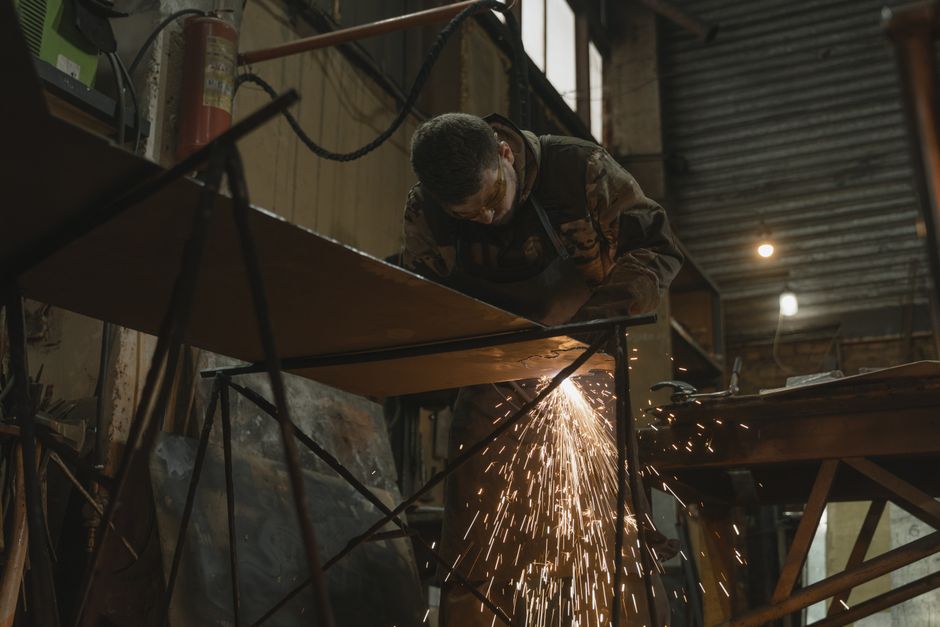
Sheet metal fabrication is a vital process in various industries, providing the structure and framework for countless products. From automotive parts to electronics enclosures, understanding the intricacies of this process is essential for professionals in manufacturing and design. This article delves into the various aspects of sheet metal fabrication, exploring techniques, materials, and applications that highlight its importance in modern engineering.
Understanding Sheet Metal Fabrication
At its core, sheet metal fabrication refers to the process of creating metal structures by cutting, bending, and assembling flat sheets of metal. Typically, these sheets are made from materials such as steel, aluminum, copper, and brass, each offering unique properties suitable for different applications. The fabrication process can involve several techniques, including laser cutting, stamping, and welding. These methods are crucial in producing precision components that meet specific design requirements.
One of the primary advantages of sheet metal fabrication is its versatility. Manufacturers can produce a wide range of products, from simple brackets to complex assemblies, efficiently and cost-effectively. Moreover, advancements in technology have significantly improved the precision and speed of fabrication, allowing for more intricate designs that were previously unattainable.
Key Techniques in Sheet Metal Fabrication
Several techniques are integral to the sheet metal fabrication process. Each method has its own set of advantages and is chosen based on the specific requirements of the project. For instance, sheet metal fabrication often involves laser cutting, which uses focused light to create clean, accurate cuts. This technique is particularly beneficial for producing complex shapes and intricate designs while minimizing waste.
Another critical technique is bending, where metal sheets are shaped into desired angles using press brakes. This process is essential for creating components that fit into larger assemblies or structures. Additionally, welding is a common method used to join different metal parts together, ensuring strength and durability in the final product.
Materials Used in Sheet Metal Fabrication
Choosing the right material for sheet metal fabrication is crucial, as it can significantly impact the performance and longevity of the final product. Steel, for example, is widely used due to its strength and durability, making it ideal for structural applications. On the other hand, aluminum is favored for its lightweight properties and resistance to corrosion, which is essential in industries such as aerospace and automotive.
Other materials, such as copper and brass, are often used for electrical components due to their excellent conductivity. The choice of material not only affects the functionality of the product but also its cost and manufacturability. Therefore, understanding the properties of various metals is essential for engineers and designers involved in the fabrication process.
Applications of Sheet Metal Fabrication
The applications of sheet metal fabrication are vast and varied, spanning numerous industries. In the automotive sector, for instance, sheet metal parts are crucial for vehicle frames, body panels, and engine components. The demand for lightweight and fuel-efficient vehicles has further driven innovation in this area, leading to more advanced fabrication techniques.
In the electronics industry, sheet metal fabrication is used to create enclosures and chassis for devices, providing protection and structural integrity. The rise of technology has increased the need for custom solutions, making sheet metal fabrication an essential service for businesses looking to innovate and stay competitive.
The Future of Sheet Metal Fabrication
As technology continues to evolve, the future of sheet metal fabrication looks promising. Automation and robotics are playing a significant role in enhancing productivity and quality in the fabrication process. With the integration of smart technologies, manufacturers are now able to monitor and optimize production in real-time, leading to reduced lead times and improved efficiency.
Furthermore, the growing emphasis on sustainability is influencing the materials and methods used in sheet metal fabrication. Companies are increasingly focusing on recycling and waste reduction, exploring eco-friendly materials and processes that minimize environmental impact. This shift will likely shape the future landscape of the industry, as businesses strive to meet both market demands and environmental responsibilities.
Conclusion
Sheet metal fabrication is a crucial component of modern manufacturing, offering versatility and efficiency across various industries. By understanding the techniques, materials, and applications involved in this process, professionals can make informed decisions that enhance product quality and performance. As technology advances, the potential for innovation in sheet metal fabrication continues to grow, promising exciting developments for the future.