In an age where security is paramount, choosing the right home security system can be overwhelming. With various options available, understanding the components and benefits of these systems is crucial for homeowners. This guide provides an in-depth look at home security systems, their features, and how they can protect your home and family.
Understanding Home Security Systems
A home security system is designed to protect your property from theft, vandalism, and other threats. These systems typically include a combination of alarms, cameras, and monitoring services. According to recent statistics, homes without security systems are three times more likely to be broken into than those with one. This clearly highlights the importance of investing in a reliable system.
There are generally two types of home security systems: wired and wireless. Wired systems are connected through cables, which can be a hassle to install but offer a stable connection. On the other hand, wireless systems are easier to install and can be monitored remotely via smartphones. Each type has its own advantages, making it vital to assess your needs before deciding.
Key Components of Home Security Systems
Most home security systems consist of several key components. These include door and window sensors, motion detectors, security cameras, and alarms. Door and window sensors alert you when a door or window is opened. Motion detectors can identify movement in specific areas, providing an extra layer of security.
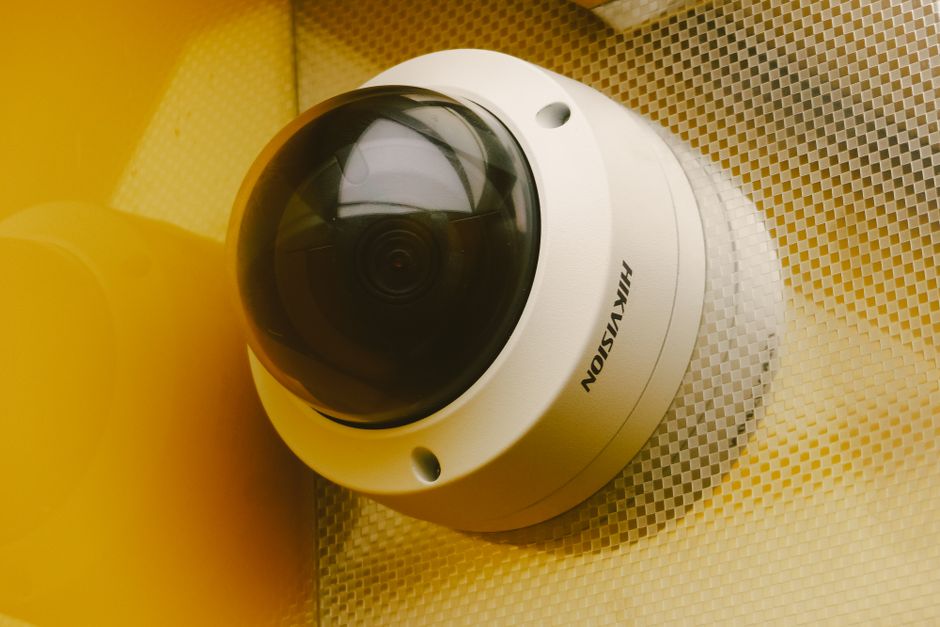
Security cameras are essential for monitoring your property in real-time. They can be placed indoors and outdoors, allowing homeowners to keep an eye on their premises. Many modern security cameras offer features such as night vision and motion-activated recording, which can provide critical evidence in case of a break-in.
Lastly, alarms serve as a deterrent against potential intruders. A loud alarm can scare off burglars and alert you and your neighbors to potential danger. When choosing a system, consider a package that includes these essential components for optimal protection.
Monitoring Options: Professional vs. Self-Monitoring
When it comes to monitoring your home security system, there are two main options: professional monitoring and self-monitoring. Professional monitoring involves hiring a security company to monitor your system 24/7. This means that if an alarm is triggered, the monitoring center will contact local authorities on your behalf.
Self-monitoring, on the other hand, allows you to manage your security system through a mobile app. While this option can be more cost-effective, it requires you to be vigilant and responsive to alerts. A study revealed that systems with professional monitoring respond to alarms 3 to 5 times faster than self-monitored systems, which can be crucial in an emergency.
Ultimately, the choice between professional and self-monitoring will depend on your lifestyle and preferences. If you travel frequently or have a busy schedule, professional monitoring may be the best option for peace of mind.
Evaluating Costs and Budgeting
Investing in a home security system involves various costs, including equipment purchase, installation fees, and monthly monitoring charges. The average cost of a complete system can range from $200 to $1,500, depending on the features and complexity. Additionally, many companies offer financing options to help spread out the costs.
Moreover, it’s important to consider the potential savings on your homeowner’s insurance. Many insurance companies offer discounts of 5% to 20% for homes equipped with security systems. This can offset some of the initial costs and make your investment more worthwhile.
When budgeting for your home security system, ensure you account for ongoing costs, such as monitoring fees, which can range from $10 to $60 per month. By planning ahead, you can find a system that meets your needs without breaking the bank.
Future Trends in Home Security
The home security industry is continually evolving, with new technologies emerging regularly. One of the most significant trends is the integration of smart home technology. Many security systems now offer compatibility with smart home devices, allowing you to control your security system alongside other home functions.
Additionally, advancements in artificial intelligence are helping to enhance security monitoring. For instance, AI-enabled cameras can distinguish between people, pets, and objects, reducing false alarms. This technology not only improves security but also enhances user experience by providing more accurate alerts.
As the demand for home automation grows, it’s likely that future security systems will become even more sophisticated, incorporating features such as biometric access and advanced surveillance capabilities.
Conclusion
Choosing the right home security system is a significant decision that can greatly affect your peace of mind and safety. By understanding the various components, monitoring options, costs, and future trends, you can make an informed choice that fits your needs. Investing in a reliable home security system not only protects your property but also ensures the safety of your loved ones, making it a necessary consideration for every homeowner.