
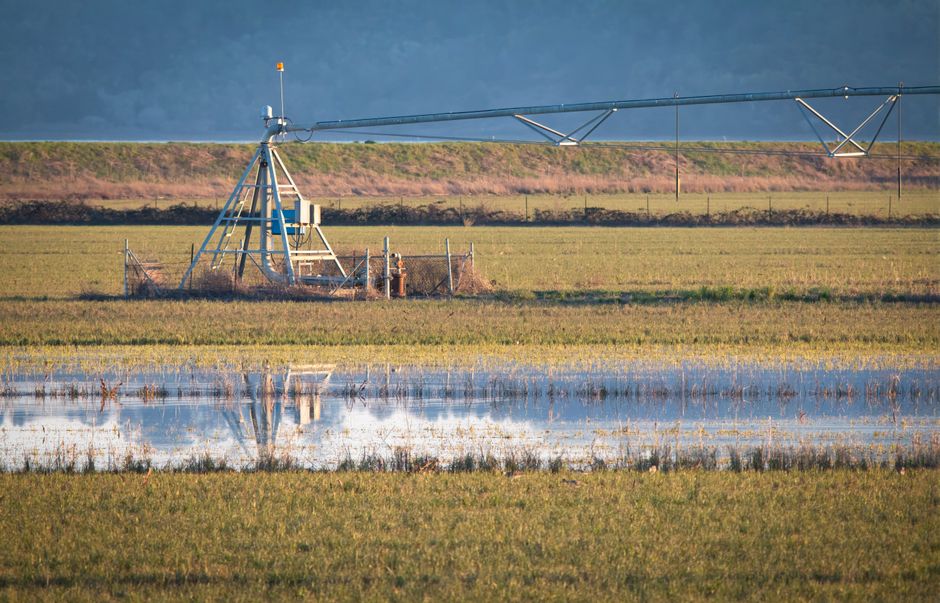
Irrigation systems play a crucial role in modern agriculture, ensuring that crops receive the necessary water to thrive. With increasing global water scarcity, the importance of efficient irrigation techniques has never been more apparent. This article delves into the various types of irrigation systems, their benefits, and best practices for implementation.
Understanding Different Types of Irrigation Systems
There are several types of irrigation systems, each designed to meet specific agricultural needs. The most common types include drip irrigation, sprinkler irrigation, and surface irrigation. Drip irrigation delivers water directly to the plant roots, minimizing evaporation and runoff, making it highly efficient. In contrast, sprinkler systems imitate natural rainfall, providing a broad area coverage, while surface irrigation involves flooding fields with water.
The choice of irrigation system largely depends on factors such as crop type, soil conditions, and water availability. For instance, drip irrigation is ideal for high-value crops like fruits and vegetables, whereas surface irrigation may be more suitable for grain crops. Understanding these distinctions is key to optimizing water usage and enhancing crop yield.
Benefits of Efficient Irrigation Systems
Implementing an efficient irrigation system leads to numerous advantages for farmers and the environment alike. Firstly, it conserves water, which is vital in regions prone to drought. According to the Food and Agriculture Organization (FAO), using efficient irrigation systems can reduce water usage by up to 50% compared to traditional methods.
Moreover, these systems improve crop yield and quality. By providing consistent moisture levels, crops can grow healthier and more robust. Studies have shown that drip irrigation can increase yields by up to 20% in some crops. This not only benefits farmers financially but also contributes to food security in a growing global population.
Best Practices for Implementing Irrigation Systems
When implementing an irrigation system, several best practices should be followed to maximize its efficiency. First, conducting a thorough soil analysis is crucial. Understanding soil moisture levels and types will inform the best irrigation method to use. Additionally, proper system design is essential; for example, spacing emitters correctly in a drip irrigation system can prevent overwatering and ensure even distribution.
Regular maintenance is another vital aspect. Checking for leaks, clogs, and pressure imbalances can prevent water wastage and system failures. Furthermore, integrating technology such as soil moisture sensors and automated control systems can enhance efficiency and reduce labor costs.
Challenges and Solutions in Irrigation
Despite the advantages of modern irrigation systems, several challenges can arise. Water quality issues, such as salinity and contamination, can negatively affect crop health. To mitigate these issues, farmers should regularly test water sources and implement filtration systems where necessary.
Another challenge is the initial cost of installing advanced irrigation systems. While the upfront investment may be significant, the long-term savings in water and increased yields often justify the expense. Additionally, government subsidies and grants may be available to assist farmers in transitioning to more efficient systems.
Future Trends in Irrigation Technology
The future of irrigation technology looks promising, with innovations aimed at increasing efficiency and sustainability. Precision irrigation, which uses data analytics and technology to deliver water precisely where and when it’s needed, is gaining traction. This method not only conserves water but also enhances crop productivity.
Moreover, the integration of renewable energy sources, such as solar-powered pumps, is becoming more popular. These systems reduce operational costs and lower the carbon footprint of agricultural practices. As the global climate continues to change, adopting such technologies will be crucial for sustainable agriculture.
Conclusion
In summary, irrigation systems are a fundamental component of modern agriculture, influencing both productivity and sustainability. By understanding the various types of systems available and implementing best practices, farmers can optimize their water usage and enhance crop yields. As technology continues to advance, the future of irrigation holds exciting possibilities for improving efficiency and environmental stewardship. For those interested in exploring more about the latest advancements in irrigation systems, numerous resources are available to guide farmers in making informed decisions.