
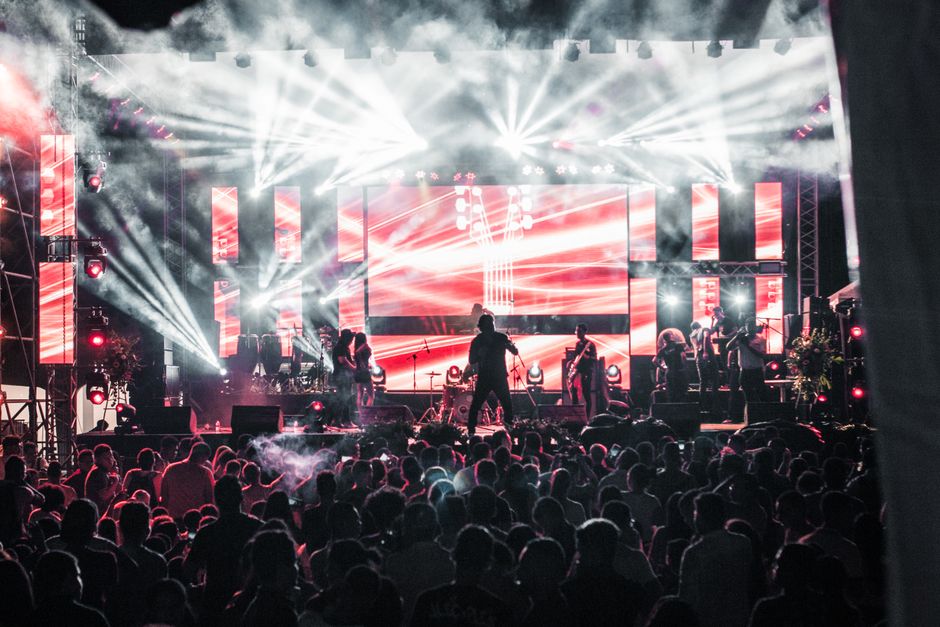
In recent years, the way we purchase concert tickets has undergone a significant transformation. The rise of digital platforms has made it easier than ever for fans to access live events. This article explores the evolution of concert ticketing platforms, their impact on the music industry, and what the future holds for this essential part of live entertainment.
The Evolution of Concert Ticketing
Concert ticketing has a rich history that dates back to the early 20th century. Initially, tickets were sold through physical box offices and local retailers. As technology advanced, telephone sales became popular, followed by the birth of the internet which revolutionized the ticketing landscape. Today, concert ticketing platforms allow fans to buy tickets from the comfort of their homes, offering convenience and efficiency that traditional methods simply cannot match.
According to recent statistics, approximately 70% of concert tickets are now sold online. This shift has not only increased accessibility for fans but has also opened up new revenue streams for artists and promoters. Platforms such as Ticketmaster and concert ticketing platform have emerged as dominant players in this space, providing fans with a wide range of options and features.
Advantages of Using Online Ticketing Platforms
One of the primary advantages of using online ticketing platforms is the ability to compare prices across different events and venues. Fans can easily find the best deals and secure their spots at their favorite concerts without having to visit multiple box offices. Additionally, these platforms often provide real-time updates on ticket availability, ensuring that fans do not miss out on limited offers.
Moreover, online ticketing platforms offer various payment options, making transactions smoother and faster. Many of these platforms also have mobile applications, allowing fans to purchase tickets on-the-go. This flexibility is especially crucial for last-minute concert-goers who want to catch spontaneous performances.
The Role of Technology in Ticketing
Technology plays a pivotal role in enhancing the concert ticketing experience. Features such as digital wallets, QR codes, and mobile ticketing are becoming standard in the industry. Digital wallets allow fans to store their tickets securely on their smartphones, reducing the risk of losing physical tickets.
Furthermore, the integration of artificial intelligence (AI) and machine learning algorithms in ticketing platforms helps in providing personalized recommendations to users. By analyzing past purchasing behaviors, these technologies can suggest concerts that users might be interested in, thereby enhancing user experience and satisfaction.
Challenges Faced by Concert Ticketing Platforms
Despite their numerous benefits, concert ticketing platforms also face several challenges. One major issue is the prevalence of scalping, where tickets are purchased in bulk by individuals who then resell them at inflated prices. This practice can frustrate genuine fans and lead to a negative perception of the ticketing industry.
To combat scalping, many platforms have implemented measures such as verified fan programs, which restrict ticket purchases to those who have registered in advance. Additionally, some platforms are exploring blockchain technology to create a transparent and secure ticketing environment that can help mitigate fraud.
The Future of Concert Ticketing Platforms
The future of concert ticketing looks promising as technology continues to evolve. With the rise of virtual and augmented reality, we may see innovative ticketing experiences that go beyond traditional concerts. For instance, virtual concerts could become more mainstream, allowing fans to attend live performances from the comfort of their homes.
Moreover, as the demand for live events continues to grow, concert ticketing platforms will likely expand their offerings to include a wider range of entertainment options. This could include not only concerts but also sports, theater, and other live performances, creating a comprehensive entertainment ecosystem.
Conclusion
The concert ticketing platform landscape has evolved tremendously over the years, driven by technological advancements and changing consumer behaviors. As we look to the future, these platforms will continue to shape the way fans experience live entertainment. By addressing challenges such as scalping and embracing new technologies, concert ticketing platforms are poised to enhance the overall experience of attending concerts and live events for fans around the world.