
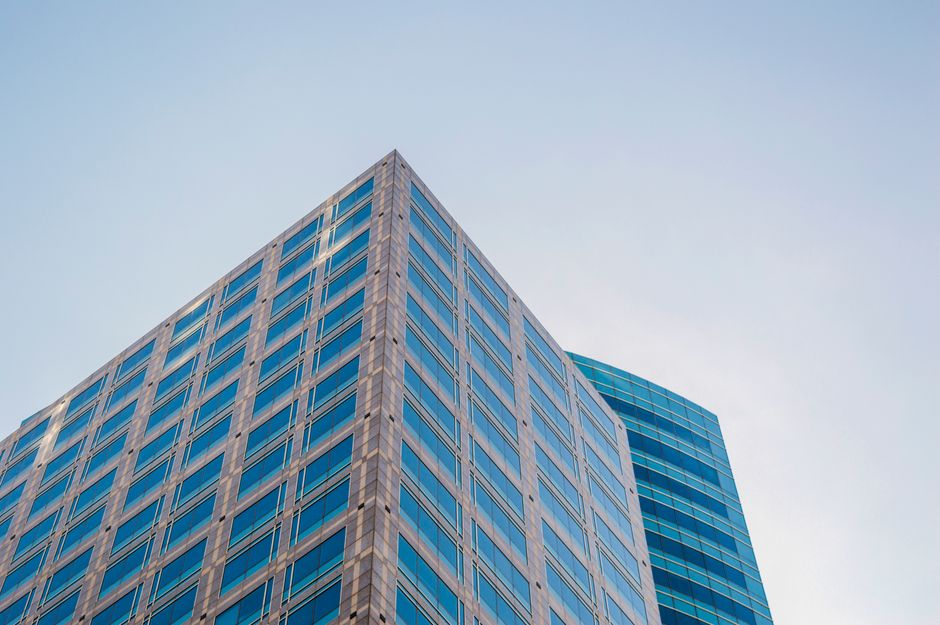
The commercial real estate (CRE) market has been a cornerstone of economic growth for decades, influencing urban development and investment strategies. With the rise of e-commerce, changes in consumer behavior, and the impact of the COVID-19 pandemic, the landscape of commercial real estate is evolving rapidly. This article delves into the key trends and factors shaping the commercial real estate market today, offering insights for investors, developers, and business owners alike.
Understanding Commercial Real Estate
Commercial real estate refers to properties used solely for business purposes. This encompasses a wide variety of property types including office buildings, retail spaces, warehouses, and multifamily housing. Unlike residential real estate, which caters to individuals and families, CRE is primarily focused on generating profit through rental income or capital appreciation.
The commercial real estate market is often influenced by economic conditions, interest rates, and consumer demand. Investors typically analyze various metrics such as cap rates, cash flow, and occupancy rates to assess the viability of a CRE investment. Understanding these fundamentals is crucial for making informed decisions in this competitive market.
Trends Impacting Commercial Real Estate
One of the most significant trends currently affecting the commercial real estate landscape is the shift towards remote work. The COVID-19 pandemic has accelerated the adoption of flexible work arrangements, leading to a reevaluation of office space requirements. Many companies are downsizing their office footprints or opting for hybrid models that combine remote and in-office work.
This shift has resulted in increased vacancy rates in traditional office spaces while simultaneously boosting demand for flexible workspaces and co-working environments. According to a recent survey, 74% of CFOs plan to adopt a hybrid work model moving forward, which could reshape the demand for office real estate in the coming years.
The Rise of E-commerce and Its Impact
The rapid growth of e-commerce has also transformed the commercial real estate sector. As more consumers turn to online shopping, the demand for logistics and warehouse spaces has surged. Industrial properties, particularly those located near urban centers, have become increasingly sought after as retailers strive to meet consumer expectations for fast delivery.
A report from CBRE indicated that the demand for industrial space was at an all-time high, with vacancy rates dropping to unprecedented lows. This trend is likely to persist as companies invest in their supply chain capabilities to compete in the digital marketplace.
Investment Opportunities in Commercial Real Estate
For investors, the evolving dynamics of the commercial real estate market present both challenges and opportunities. While traditional sectors like retail and office may face headwinds, burgeoning sectors such as logistics, healthcare, and multifamily housing offer promising returns.
Investors should consider diversifying their portfolios to include properties that cater to emerging trends. For instance, investing in healthcare facilities has gained traction as the demand for medical services continues to rise. Additionally, the multifamily sector remains resilient, with strong rental demand driven by population growth in urban areas.
Conclusion
The commercial real estate market is undergoing a transformative phase fueled by technological advancements and changing consumer behaviors. Investors must remain agile and informed to capitalize on emerging trends and navigate the complexities of this sector. By leveraging data and understanding market dynamics, stakeholders can make strategic decisions that will position them for success in the evolving landscape of commercial real estate. As you explore your options, consider leveraging resources such as commercial real estate platforms for comprehensive insights and listings.