
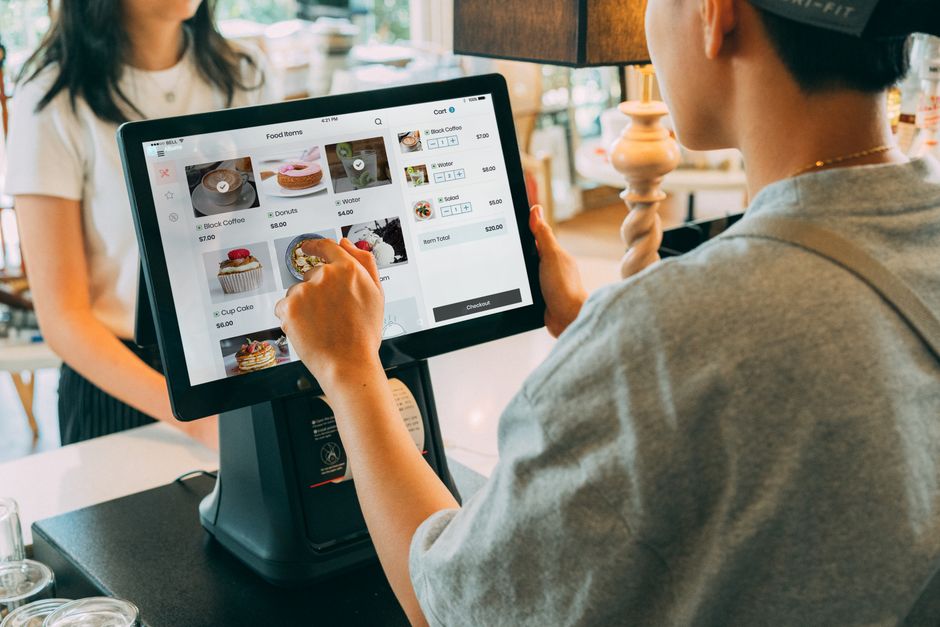
In the fast-paced world of the restaurant industry, efficiency is paramount. As more establishments strive to provide top-notch service while managing complex operations, the adoption of a restaurant POS system has become essential. This technology not only streamlines operations but also enhances the customer experience, making it a vital asset for any modern dining establishment.
What is a Restaurant POS System?
A restaurant POS system, or Point of Sale system, is a comprehensive solution that enables restaurants to manage their sales, inventory, and customer interactions seamlessly. This system usually consists of hardware components, such as registers and tablets, along with software that integrates various functions like order processing, payment processing, and reporting. The primary goal of these systems is to enhance operational efficiency and improve customer service.
Traditionally, restaurant operations relied heavily on manual processes, which were not only time-consuming but also prone to human error. By implementing a restaurant POS system, establishments can automate numerous tasks, from order taking to payment processing, significantly reducing the chances of mistakes and improving speed.
Key Features of a Restaurant POS System
There are several key features that a robust restaurant POS system should offer. One of the most important is real-time tracking of sales and inventory. This feature allows restaurant owners to monitor their stock levels and sales trends, enabling them to make informed decisions about purchasing and menu offerings.
Another essential feature is the ability to manage multiple payment options. A modern POS system allows customers to pay via credit cards, mobile payments, and even contactless options. This versatility can enhance the customer experience, as patrons appreciate having various payment methods at their disposal.
Additionally, many restaurant POS systems come with built-in reporting tools. These tools provide insights into sales performance, customer preferences, and operational efficiency. By analyzing these metrics, restaurant owners can identify areas for improvement and tailor their services to better meet customer expectations.
The Impact on Customer Experience
The customer experience can be greatly enhanced through the use of a restaurant POS system. With faster order processing and payment capabilities, customers spend less time waiting and more time enjoying their meals. For example, when a server takes an order using a tablet linked to the POS system, the order is immediately sent to the kitchen, leading to quicker preparation times.
Moreover, many POS systems also allow for loyalty programs and personalized marketing. By collecting customer data, restaurants can create targeted promotions that appeal to their regulars, thereby increasing customer retention and satisfaction.
Consider a restaurant that implemented a POS system with integrated loyalty features. After tracking customer purchases, they discovered that a significant portion of their sales came from repeat customers. By offering discounts and rewards based on this data, they were able to boost sales and enhance customer loyalty.
Choosing the Right Restaurant POS System
When selecting a restaurant POS system, it’s crucial to consider the specific needs of your establishment. Factors such as the size of your restaurant, the volume of transactions, and your budget all play a significant role in determining the best solution.
For instance, a small café may require a simple system with basic features, while a large restaurant with multiple locations might need a more complex solution that can handle high transaction volumes and offer advanced analytics. It’s also essential to evaluate the level of customer support provided by the POS vendor, as reliable support can make a significant difference in ensuring smooth operations.
Lastly, compatibility with existing hardware and software is crucial. Many modern POS systems offer cloud-based solutions, which can be accessed from various devices, allowing for greater flexibility and ease of use.
Conclusion
In conclusion, a restaurant POS system is not just a tool for processing sales; it is a comprehensive solution that can drastically improve the efficiency and effectiveness of restaurant operations. By automating key processes, enhancing customer experiences, and providing valuable insights into business performance, these systems are indispensable for any restaurant looking to thrive in today’s competitive landscape. Investing in the right restaurant POS system can lead to increased efficiency, better customer service, and ultimately, greater profitability.