
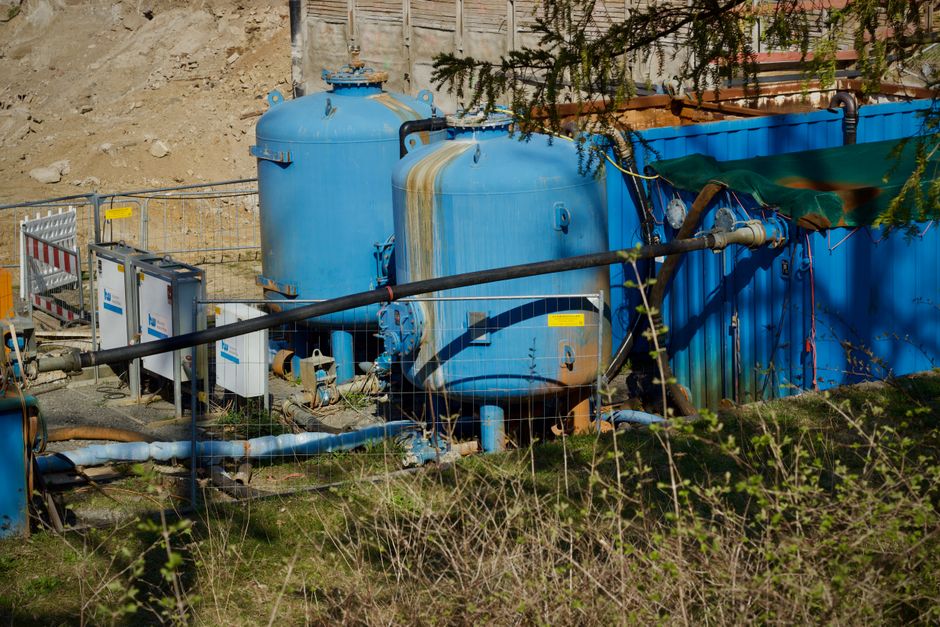
As the world transitions towards a more sustainable and renewable energy landscape, the importance of energy storage systems (ESS) has never been more significant. These systems play a crucial role in balancing energy supply and demand, ensuring that renewable sources like solar and wind can provide reliable power even when the sun isn’t shining or the wind isn’t blowing. In this article, we will explore the various types of energy storage systems, their benefits, challenges, and the future they hold for energy management.
What are Energy Storage Systems?
Energy storage systems are technologies that store energy for later use, helping to manage supply and demand effectively. These systems can be categorized into various types, including mechanical, thermal, and electrochemical storage. Each type has its unique characteristics and applications, making them suitable for different scenarios.
Mechanical energy storage includes systems like pumped hydro storage, where water is pumped to a higher elevation during low demand and released to generate electricity during peak demand. Thermal storage systems, on the other hand, store heat energy, which can be used for heating or converted back into electricity.
Electrochemical storage, commonly known as batteries, is perhaps the most well-known form of energy storage. Lithium-ion batteries are widely used in consumer electronics and electric vehicles due to their high energy density and efficiency. However, other battery technologies, such as flow batteries and solid-state batteries, are emerging as viable alternatives.
Benefits of Energy Storage Systems
Energy storage systems offer numerous advantages that can significantly impact energy management. One of the primary benefits is their ability to enhance grid reliability. By storing excess energy during low demand periods, ESS can release that energy during peak times, thus stabilizing the grid and preventing outages.
Moreover, energy storage systems facilitate the integration of renewable energy sources. For instance, during sunny or windy days, solar panels and wind turbines can generate surplus energy. Energy storage systems can capture this excess energy, allowing it to be utilized when production decreases. This capability is crucial for transitioning to a low-carbon economy.
Furthermore, energy storage can reduce energy costs for consumers. By allowing users to store energy during off-peak hours when rates are lower and using it during peak hours, consumers can save on electricity bills. This demand response capability is becoming increasingly important in managing energy consumption efficiently.
Challenges Faced by Energy Storage Systems
Despite their benefits, energy storage systems face several challenges that hinder their widespread adoption. One of the most significant challenges is the cost. While prices for technologies like lithium-ion batteries have decreased in recent years, the initial investment for energy storage systems can still be substantial.
Moreover, the environmental impact of certain battery technologies raises concerns. For example, lithium mining can lead to ecological damage, and concerns about battery disposal and recycling remain critical issues. The development of more sustainable materials and recycling methods is essential for the future of energy storage.
Another challenge is the regulatory landscape. Energy storage technologies often fall into a gray area in terms of regulations and incentives, which can create barriers to entry for new projects. Clear policies and support from governments are necessary to foster innovation and investment in this sector.
The Future of Energy Storage Systems
The future of energy storage systems looks promising, with continuous advancements in technology, materials, and applications. Research is ongoing to develop new battery chemistries that offer higher energy densities, faster charging capabilities, and longer lifespans. Solid-state batteries, for instance, hold great potential for safer and more efficient energy storage solutions.
Additionally, the integration of artificial intelligence and smart grid technologies is expected to enhance the efficiency and performance of energy storage systems. By optimizing energy management and forecasting demand, these technologies can improve the effectiveness of storage solutions.
As governments and industries worldwide prioritize sustainability, the role of energy storage systems will become increasingly vital. Investments in this sector are expected to grow, leading to more innovative solutions and expanded applications across various industries.
Conclusion
Energy storage systems are a cornerstone of modern energy management, enabling the integration of renewable resources and enhancing grid reliability. While challenges remain, the ongoing advancements in technology and increasing awareness of the importance of energy storage pave the way for a sustainable energy future. As we continue to explore and invest in energy storage systems, we move closer to a world where renewable energy can be harnessed efficiently and effectively, ensuring a more resilient and sustainable future for generations to come.