
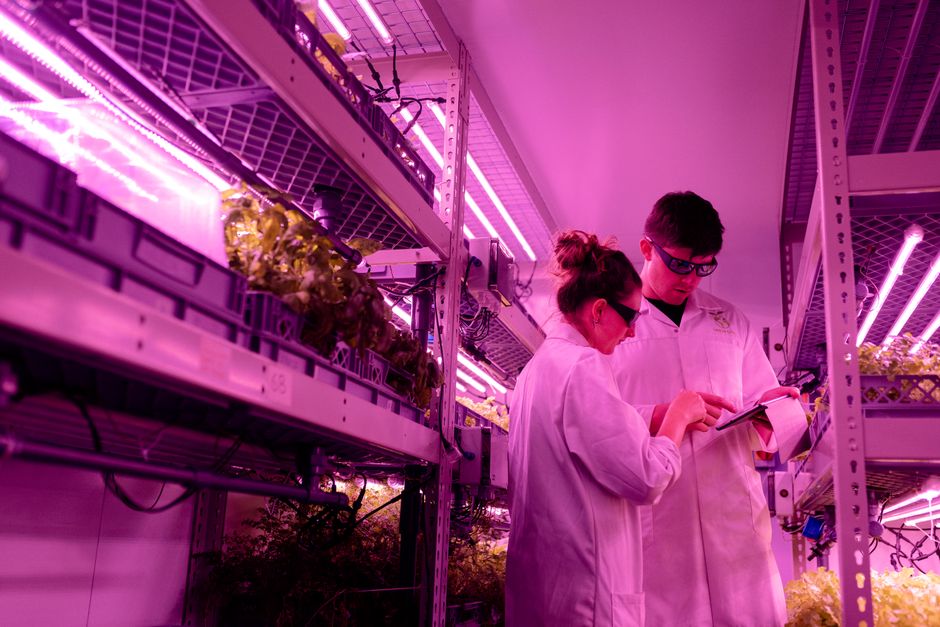
As the global population continues to rise, the demand for sustainable food production has never been more critical. Among the various solutions emerging in the agriculture sector, vertical farming technology stands out as a revolutionary approach that promises to reshape how we grow food in urban environments. This article delves into the mechanics, benefits, challenges, and future prospects of vertical farming, offering insights into its potential impact on food security and environmental sustainability.
Understanding Vertical Farming Technology
Vertical farming is an innovative agricultural practice that involves growing crops in vertically stacked layers or integrated into other structures. This method often employs controlled-environment agriculture (CEA) technology, which allows for optimal growing conditions regardless of external weather or climate. By utilizing hydroponics, aeroponics, or aquaponics, vertical farms can produce significant yields in a small footprint, making them ideal for urban settings where space is at a premium.
The concept of vertical farming is not entirely new; however, advancements in technology have made it more feasible and appealing. For instance, LED lighting and automated systems for nutrient delivery have drastically improved efficiency and reduced operational costs. Furthermore, vertical farms can be established in repurposed buildings, which helps reduce the urban sprawl and minimizes the carbon footprint associated with traditional farming.
Benefits of Vertical Farming
One of the most compelling advantages of vertical farming is its ability to produce food in close proximity to consumers. This localization can significantly reduce transportation costs and emissions, contributing to a lower overall environmental impact. Additionally, vertical farms can operate year-round, providing a consistent food supply regardless of seasonal changes, which enhances food security in urban areas.
Moreover, vertical farming technology requires less water compared to conventional farming methods. By using recirculating water systems, these farms can reduce water usage by up to 90%. This is particularly beneficial in regions facing water scarcity. Vertical farming also minimizes the need for pesticides and herbicides, as the controlled environment reduces the likelihood of pest infestations and disease outbreaks.
Challenges Facing Vertical Farming
Despite its many benefits, vertical farming technology is not without challenges. The initial setup costs for vertical farms can be substantial, primarily due to the investment in technology and infrastructure. Additionally, the energy consumption associated with artificial lighting and climate control systems can be a concern, particularly in regions where energy costs are high.
Another challenge is the market acceptance of vertically farmed produce. While consumers are increasingly aware of sustainable practices, the perception of vertical farming as a niche industry can hinder widespread adoption. Education and marketing strategies will play a crucial role in overcoming these barriers and fostering a greater acceptance of vertically farmed products.
Real-World Examples of Vertical Farming
Several companies and organizations have successfully implemented vertical farming technology, demonstrating its viability and potential. For instance, AeroFarms, one of the leading vertical farming companies in the United States, claims to produce up to 390 times more greens per square foot annually compared to traditional farming methods. Their state-of-the-art facilities utilize a proprietary aeroponic system, which allows for efficient nutrient delivery and optimal growth conditions.
Another notable example is the Singapore-based company Sky Greens, which has developed a unique vertical farm that uses a revolving system to maximize sunlight exposure and increase yield. This innovative approach highlights the adaptability of vertical farming technology to different environments and conditions.
The Future of Vertical Farming Technology
The future of vertical farming technology looks promising, with ongoing research and development aimed at improving efficiency and reducing costs. Innovations in artificial intelligence and machine learning are being integrated into vertical farming systems, allowing for real-time monitoring and adjustments to optimize plant growth.
As urban populations continue to grow, the demand for sustainable food sources will only increase. Vertical farming may play a pivotal role in addressing this challenge, providing fresh produce while minimizing environmental impact. Collaboration among stakeholders, including governments, private companies, and research institutions, will be essential to advance the sector and realize its full potential.
In conclusion, vertical farming technology represents a significant shift in how we think about food production in urban areas. By leveraging advancements in technology and sustainable practices, vertical farms have the potential to enhance food security, reduce environmental impact, and create resilient local food systems. As we continue to explore the possibilities of vertical farming, it is crucial to support innovation and education in this field to ensure a sustainable future for urban agriculture. For those interested in learning more about the innovations shaping the future of food production, exploring vertical farming technology can provide valuable insights.