
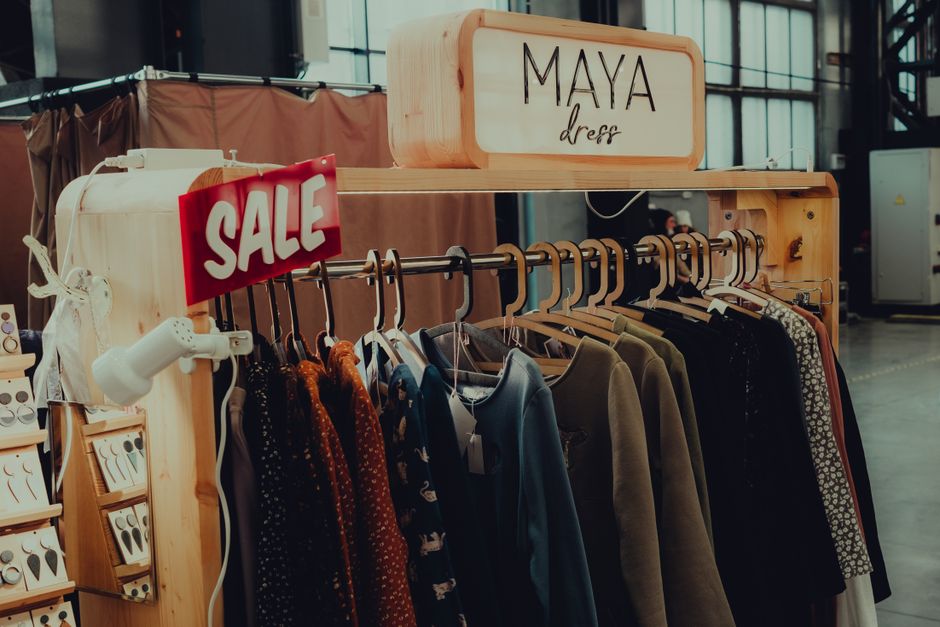
In recent years, the fashion industry has witnessed a significant shift towards private label clothing. Brands are increasingly turning to private labels to create unique collections that resonate with their target audiences. This article delves into the intricacies of private label clothing, examining its benefits, challenges, and the best practices for businesses looking to launch their own lines.
What is Private Label Clothing?
Private label clothing refers to apparel that is manufactured by one company but sold under another company’s brand name. This model allows retailers to offer exclusive products that differentiate them from competitors. Retailers can customize designs, materials, and branding to align with their market strategy. According to a report by Statista, the private label market is expected to grow by 4.5% annually, highlighting a robust trend in consumer preference for unique, brand-specific apparel.
Many retailers, from small boutiques to large department stores, utilize private labeling to enhance their offerings. For instance, major retailers like Target and Walmart have successfully developed private label brands that contribute substantially to their overall sales. This strategy not only increases profit margins but also fosters customer loyalty as shoppers associate unique products with their favorite stores.
Benefits of Private Label Clothing
One of the primary advantages of private label clothing is the control it gives retailers over product quality and pricing. Unlike buying wholesale from brands, retailers can set their prices, which often leads to better profit margins. Furthermore, by controlling the design and production processes, retailers can ensure that their clothing meets specific quality standards.
Private label clothing also allows brands to respond quickly to market trends. Unlike established brands that may take longer to adapt, retailers can pivot their offerings with flexibility. For instance, if a particular style gains popularity on social media, a retailer can quickly create a similar design and bring it to market in a matter of weeks.
Additionally, private labeling can enhance brand identity. By offering unique products, retailers can cultivate a distinct brand image that resonates with their target audience. This differentiation is crucial in the saturated fashion market where consumers are constantly seeking new and innovative products.
Challenges in Private Labeling
Despite its advantages, private labeling does come with inherent challenges. One major concern is the initial investment required for production. Retailers often need to place large orders to meet minimum production quantities, which can strain budgets, especially for smaller businesses. Additionally, there is a risk associated with inventory management; if a product does not sell as expected, retailers may be left with excess stock.
Quality control is another critical issue. Retailers must ensure that the manufacturers they choose adhere to strict quality standards. A subpar product can damage a retailer’s reputation and lead to customer dissatisfaction. Thus, establishing strong relationships with reliable manufacturers is essential.
Moreover, retailers must invest in marketing their private label clothing effectively. Unlike well-known brands, private labels require strategic marketing efforts to build brand recognition. This includes engaging in social media campaigns, influencer partnerships, and other promotional activities to drive awareness and sales.
Best Practices for Launching Private Label Clothing
For retailers considering venturing into private label clothing, several best practices can facilitate a successful launch. First, conducting thorough market research is crucial. Understanding the target audience’s preferences, trends, and competitors can help retailers design products that resonate with consumers.
Next, selecting the right manufacturing partner is vital. Retailers should evaluate manufacturers based on quality, reliability, and production capabilities. Establishing clear communication and expectations will help ensure a smooth production process.
Additionally, retailers should focus on creating a strong brand identity for their private label. This includes developing a unique logo, packaging, and marketing strategy that aligns with the overall brand image. Engaging storytelling can also enhance the connection between the product and the consumer.
Lastly, retailers should continuously gather feedback from customers after launching their private label lines. This feedback can provide valuable insights for future collections and help retailers refine their offerings to meet evolving consumer demands. By implementing these best practices, retailers can position their private label clothing lines for success.
Conclusion
Private label clothing presents a unique opportunity for retailers to create exclusive, high-quality products that stand out in a competitive market. While challenges exist, the potential benefits, such as increased profit margins and brand loyalty, make it an attractive option for businesses of all sizes. By understanding the landscape of private label clothing and following best practices, retailers can successfully navigate this growing segment of the fashion industry. As more consumers seek unique and personalized shopping experiences, private label clothing will undoubtedly continue to gain traction. For more insights into the world of private labeling, explore private label clothing options that suit your business needs.