In the highly competitive world of dining, the interior design of a restaurant plays a crucial role in attracting and retaining customers. A well-thought-out design can enhance the dining experience, influence customer behavior, and even drive sales. This article delves into various aspects of restaurant interior design, providing practical tips and insights to create an inviting atmosphere.
Understanding the Importance of Interior Design
Interior design is more than just aesthetics; it is an essential component of a restaurant’s brand identity. The way a restaurant looks and feels can communicate its values and the type of experience it offers. For example, a fine dining establishment may use elegant decor and soft lighting to create a sophisticated atmosphere, while a casual eatery might opt for vibrant colors and playful furnishings.
Statistics show that customers are more likely to return to a restaurant that has an appealing interior. According to a survey conducted by the Restaurant Association, 70% of diners believe that a restaurant’s interior design impacts their overall dining experience. This highlights the significance of investing time and resources into creating a memorable space.
Key Elements of Effective Restaurant Interior Design
When it comes to restaurant interior design, several key elements should be considered to create a cohesive and inviting atmosphere. These include layout, lighting, color scheme, furniture selection, and decor. Each element plays a vital role in defining the restaurant’s character and enhancing the customer experience.
The layout of the space should facilitate smooth traffic flow, allowing customers to move comfortably between tables and the service area. An open layout can foster a sense of community, while a more segmented design may offer intimacy for diners seeking a quieter experience.
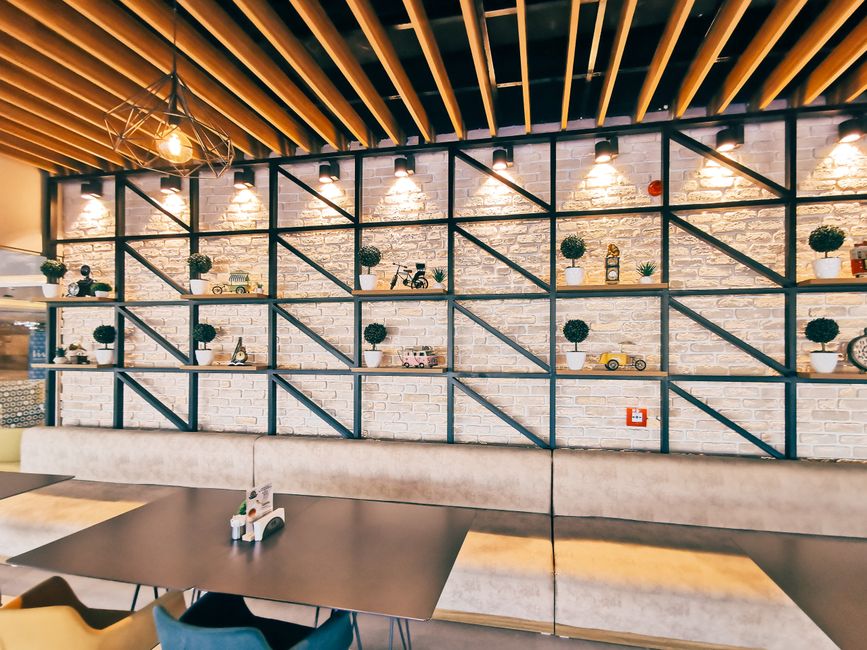
Lighting is another critical aspect of design that can significantly affect mood. Soft, warm lighting can create a cozy atmosphere, while brighter lights may energize the space. Incorporating adjustable lighting options can allow the restaurant to adapt its ambiance throughout the day.
Choosing the Right Color Palette
The color palette you choose for your restaurant can evoke certain emotions and influence customer behavior. For instance, warm colors like red and yellow can stimulate appetite and create a lively atmosphere, while cool colors like blue and green can promote calmness and relaxation.
It is advisable to select colors that align with your restaurant’s theme and target audience. For example, a seafood restaurant might benefit from shades of blue and aqua, while a rustic cafe may choose earthy tones to complement its decor. Additionally, consider the psychology of colors and how they can impact customer perception.
Furniture and Decor Selection
Furniture selection is crucial in determining the comfort and functionality of your restaurant. High-quality, durable materials are essential to withstand the wear and tear of daily operations. Furthermore, the style of the furniture should match the overall theme of the restaurant.
Decor elements, such as artwork, plants, and signage, can enhance the visual appeal of the space. Unique pieces can serve as conversation starters and help reinforce the restaurant’s brand. For example, a farm-to-table restaurant might display local artwork or photographs of nearby farms to emphasize its commitment to sustainability.
Incorporating Technology in Design
In today’s digital age, incorporating technology into restaurant interior design can enhance customer experience and streamline operations. For example, digital menus and ordering systems can reduce wait times and improve table turnover. Additionally, implementing sound systems or screens for entertainment can create a more engaging atmosphere.
Moreover, consider the use of smart lighting and climate control systems that can adapt to customer preferences and energy efficiency. These technologies can not only enhance the dining experience but also reduce operational costs in the long run.
Conclusion
In conclusion, effective restaurant interior design is a multifaceted endeavor that requires careful planning and consideration. From layout and lighting to color palette and furniture selection, each element contributes to the overall dining experience. By understanding the importance of these components and implementing thoughtful design strategies, restaurant owners can create inviting spaces that attract customers and encourage repeat visits. For those looking to elevate their space, exploring specialized resources on restaurant interior design can provide valuable insights and inspiration.