
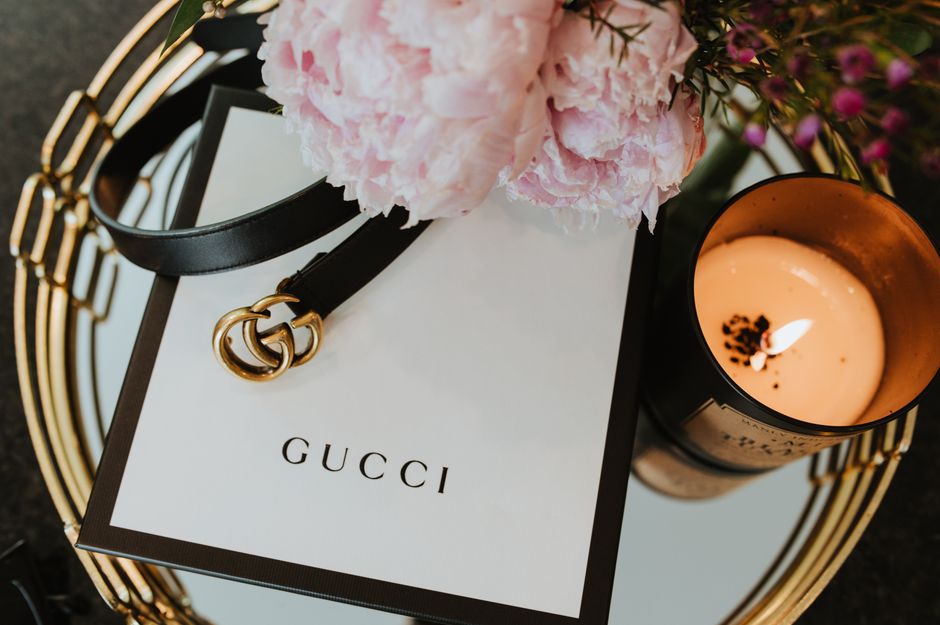
In recent years, the luxury brand reseller market has gained significant traction, transforming the way consumers access high-end fashion and accessories. This trend is fueled by a combination of sustainability concerns, the desire for unique items, and the increasing popularity of online shopping. As more individuals seek out pre-owned luxury goods, the role of luxury brand resellers has become more prominent than ever.
The Evolution of Luxury Reselling
Historically, luxury brands have maintained strict control over their distribution channels, often limiting access to their products. However, with the advent of e-commerce, the landscape has shifted dramatically. Online platforms now allow resellers to connect directly with consumers, providing an avenue for individuals to buy and sell pre-owned luxury items. This evolution has made it easier for consumers to find coveted pieces that may no longer be available in stores.
According to a report by Bain & Company, the resale market for luxury goods is expected to grow by 15% annually, reaching $64 billion by 2025. This growth can be attributed to the increasing acceptance of second-hand shopping among younger generations, who prioritize sustainability and uniqueness over brand new items.
Benefits of Buying from Luxury Brand Resellers
One of the main advantages of purchasing from luxury brand resellers is the potential for significant savings. Many items are sold at a fraction of their original retail price, making high-end fashion more accessible. For instance, a designer handbag that retailed for $3,000 might be found for $1,800 on a resale platform.
Additionally, resellers often provide detailed information about the condition of the items, along with proof of authenticity. This transparency helps buyers make informed decisions and reduces the risk of purchasing counterfeit goods. Resellers frequently offer a curated selection of items, allowing shoppers to discover unique pieces that stand out from mainstream offerings.
Challenges Faced by Luxury Brand Resellers
Despite the opportunities in the luxury reselling market, resellers face a range of challenges. One major hurdle is the competition among various platforms and individual sellers. As more players enter the market, differentiating oneself becomes increasingly important. Successful resellers must build a strong brand reputation and develop a loyal customer base to thrive.
Moreover, luxury brands are becoming more vigilant in protecting their trademarks and intellectual property. Some brands have taken legal action against resellers, arguing that the resale of their products undermines their brand image. This has led to a complex relationship between luxury brands and resellers, where the latter must navigate potential legal issues while maintaining their business.
How to Succeed as a Luxury Brand Reseller
For those looking to enter the luxury resale market, there are several key strategies to consider. First, establishing a clear niche can help attract a specific audience. Whether focusing on vintage pieces, contemporary fashion, or limited-edition items, having a defined market can set resellers apart from competitors.
Secondly, investing in marketing and building an online presence is crucial. Social media platforms like Instagram and TikTok are powerful tools for showcasing products and connecting with potential buyers. Engaging storytelling and high-quality visuals can enhance brand visibility and drive sales.
Finally, fostering strong relationships with customers is essential for long-term success. Providing excellent customer service, being responsive to inquiries, and offering a seamless buying experience can lead to repeat business and positive word-of-mouth.
Conclusion: The Future of Luxury Brand Reselling
The luxury brand reseller market is poised for continued growth as consumer preferences shift towards sustainable and unique shopping experiences. While challenges exist, the opportunities for resellers are abundant. By understanding the market dynamics, embracing innovative strategies, and focusing on customer relationships, aspiring luxury brand resellers can carve out their niche in this thriving industry. As the market evolves, platforms and resellers alike will need to adapt and innovate to stay competitive and meet the demands of discerning luxury consumers. For those interested in exploring this market further, understanding the role of a luxury brand reseller is essential for success.