
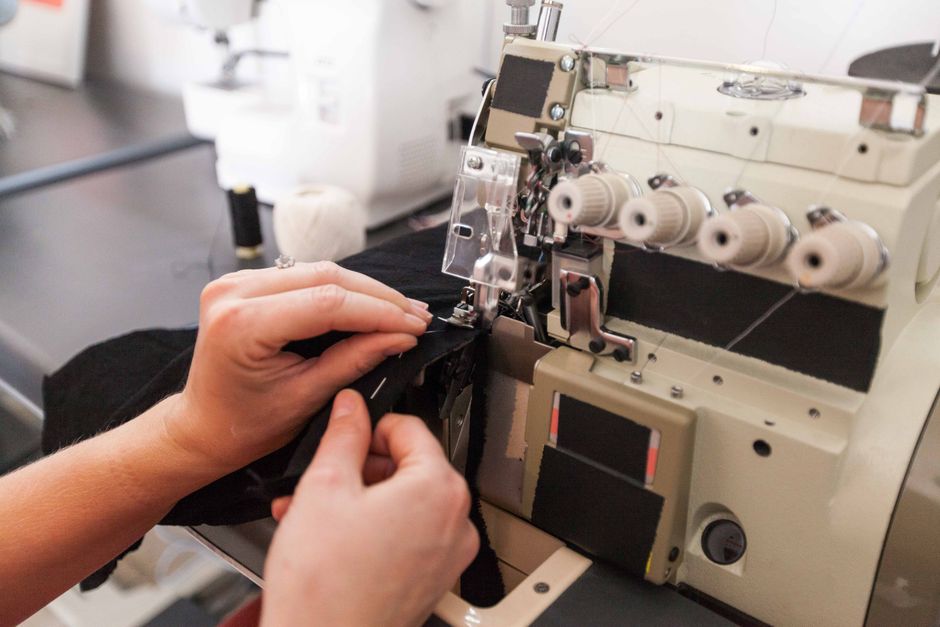
In today’s fashion landscape, customization has become more than just a trend; it is a movement. The demand for personalized clothing solutions is soaring, prompting a surge in custom clothing manufacturers. These companies are not just catering to individual preferences but also providing brands and retailers with unique opportunities to stand out in a competitive market. This article delves into the key aspects of custom clothing manufacturing, exploring its benefits, processes, and the future of this evolving industry.
Understanding Custom Clothing Manufacturing
Custom clothing manufacturing refers to the process of producing garments that are tailored to the specific needs and preferences of clients. This can range from individual consumers seeking personalized items to larger brands looking for unique pieces to add to their collections. The rise of technology, particularly in digital printing and textile design, has made it easier for manufacturers to create custom designs at scale.
The essence of custom clothing lies in its ability to offer something that off-the-rack options cannot: a personal touch. This personalization can include everything from fabric selection to fit adjustments, allowing for a truly unique garment. As consumers increasingly seek individuality in their fashion choices, the role of custom clothing manufacturers is becoming more significant.
One of the primary advantages of custom clothing is the flexibility it offers. Brands can quickly adapt to changing fashion trends and consumer preferences without the need for large-scale production runs. This agility not only helps in reducing waste but also enhances customer satisfaction as consumers receive products that reflect their personal styles.
The Process of Custom Clothing Production
The journey of custom clothing manufacturing typically begins with an idea that is transformed into a design. This process usually involves several stages, including conceptualization, prototyping, and final production. Many custom clothing manufacturers employ advanced software tools to assist in the design phase, allowing for precise specifications and visualizations.
Once the design is finalized, the prototyping stage begins. This stage is crucial as it helps identify any potential issues with fit or fabric choice before mass production. Feedback from the prototype can lead to adjustments that ensure the final product meets the client’s expectations.
After the prototype is approved, manufacturers can proceed with the final production. This is where the integration of technology plays a vital role. Many companies now use automated cutting machines and digital printing techniques, which not only speed up the production process but also enhance accuracy and reduce costs.
Market Trends Shaping Custom Clothing Manufacturing
The custom clothing manufacturing industry is influenced by several key trends that are shaping its future. One major trend is the increasing demand for sustainable and ethically produced garments. Consumers are now more aware of the environmental impact of fast fashion and are seeking alternatives that align with their values.
As a result, many custom clothing manufacturers are adopting sustainable practices, such as using eco-friendly materials and ethical labor. This shift not only attracts environmentally conscious consumers but also positions brands as responsible and forward-thinking in the eyes of the public.
Additionally, the rise of social media and influencer culture has fueled the demand for unique and personalized fashion items. Consumers are eager to share their individual styles online, and custom clothing offers them the chance to do just that. This trend has led to an increase in collaboration between custom manufacturers and influencers, resulting in limited-edition collections that create buzz and drive sales.
Challenges Faced by Custom Clothing Manufacturers
Despite the numerous benefits and opportunities in the custom clothing manufacturing sector, several challenges persist. One of the primary challenges is the balance between customization and production efficiency. As consumers demand more personalized options, manufacturers must find ways to streamline their processes without sacrificing quality.
Another challenge is the need for effective inventory management. Custom clothing manufacturers often deal with a wide variety of fabrics, designs, and sizes, making it essential to maintain accurate inventory levels to prevent overstock or shortages.
Furthermore, as the market becomes increasingly saturated with custom clothing options, manufacturers must continually innovate to differentiate themselves. This requires a deep understanding of consumer trends, as well as investments in technology and marketing strategies.
The Future of Custom Clothing Manufacturing
The future of custom clothing manufacturing looks promising, driven by ongoing technological advancements and shifting consumer preferences. Innovations such as 3D printing and augmented reality are set to revolutionize the way garments are designed and produced, allowing for even greater customization possibilities.
Additionally, the integration of artificial intelligence in the design process can enhance efficiency and accuracy, enabling manufacturers to produce tailored clothing at unprecedented speeds. As these technologies develop, we can expect to see a rise in bespoke fashion that caters to the individual needs of consumers.
As the demand for personalized clothing continues to grow, custom clothing manufacturers will play a crucial role in shaping the future of the fashion industry. Embracing sustainability, leveraging technology, and understanding consumer desires will be key factors in their success.
In conclusion, the custom clothing manufacturing industry is at a pivotal point, with the potential for significant growth and innovation. For those looking to explore this dynamic market, partnering with a reputable custom clothing manufacturer can provide the expertise and resources needed to succeed.