
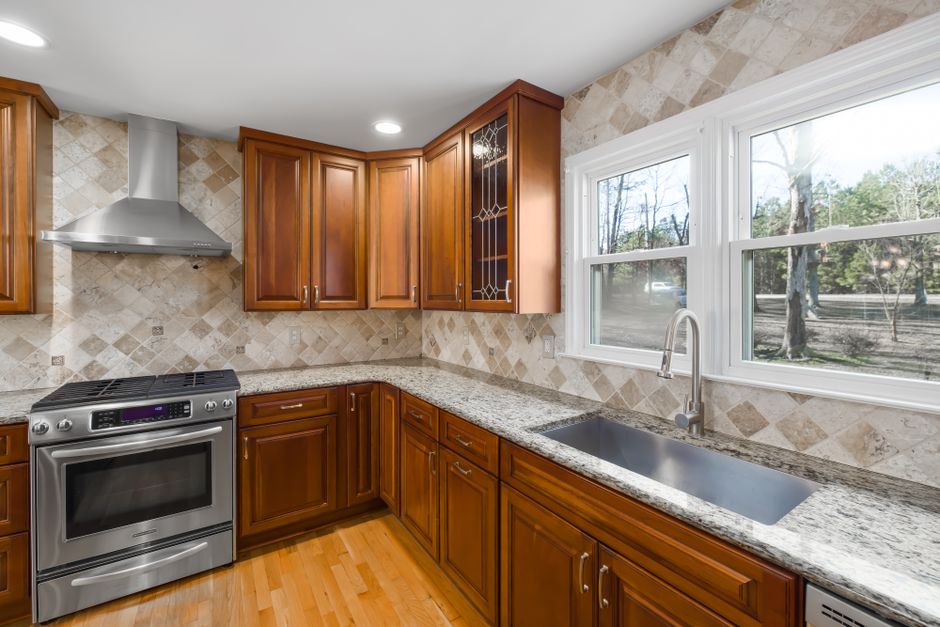
The kitchen is often considered the heart of the home, a place where families gather, meals are prepared, and memories are made. As such, remodeling your kitchen can not only enhance the functionality of this essential space but also increase the overall value of your home. Whether you’re planning a complete overhaul or just a few updates, understanding the key aspects of kitchen remodeling is crucial for achieving your desired results.
Understanding Your Needs and Goals
Before embarking on a kitchen remodeling project, it’s important to clearly define your needs and goals. Are you looking for more space, better efficiency, or simply a fresh aesthetic? According to a survey by the National Association of Home Builders, 70% of homeowners prioritize functionality in their kitchen remodels. This might include adding an island for additional prep space or upgrading appliances to more energy-efficient models.
Consider your cooking habits and lifestyle as well. If you love hosting dinner parties, an open-concept layout might be ideal. Conversely, if you prefer a more private space, you may want to focus on creating defined areas within your kitchen. Gathering inspiration from various sources such as magazines, online platforms, or home improvement shows can help crystallize your vision.
Setting a Realistic Budget
Budgeting is a critical component of any remodeling project. According to Remodeling Magazine’s Cost vs. Value report, minor kitchen remodels generally return around 81% of their cost upon resale, while major remodels return about 60%. Establishing a budget early on can help you prioritize which aspects of the remodel are most important to you.
When planning your budget, consider all potential expenses, including materials, labor, and permits. It’s advisable to allocate an additional 10-20% of your budget for unexpected costs that may arise during the renovation process. By setting a realistic budget, you can avoid the stress and disappointment that often accompany financial overruns.
Choosing the Right Materials and Layout
The materials you choose for your kitchen remodeling project can greatly influence both the appearance and durability of your space. High-quality materials like granite or quartz countertops, hardwood cabinetry, and sustainable flooring options not only enhance the visual appeal but also provide longevity. According to a report by the National Kitchen and Bath Association, 80% of homeowners choose to upgrade their countertops during a remodel.
The layout of your kitchen is equally important. The classic work triangle, which connects the sink, stove, and refrigerator, remains a popular design principle. This layout promotes efficiency and ease of movement. However, contemporary designs often incorporate open spaces and multi-functional islands that serve as both prep areas and gathering spots. Finding the right balance between functionality and style is key to a successful kitchen remodel.
Incorporating Technology and Sustainability
Modern kitchens are increasingly incorporating technology to enhance convenience and efficiency. Smart appliances, such as refrigerators that can create shopping lists or ovens that can be controlled via smartphone, are becoming standard in many remodeled kitchens. According to a study by the Consumer Technology Association, 70% of homeowners express interest in having smart technology in their kitchens.
Sustainability is also a growing trend in kitchen remodeling. Many homeowners are opting for energy-efficient appliances, LED lighting, and sustainable materials. By making eco-friendly choices, you not only reduce your carbon footprint but also contribute to long-term savings on utility bills. Incorporating green practices into your kitchen remodel can significantly enhance the appeal of your home.
Finalizing the Design and Execution
Once you’ve defined your needs, established a budget, chosen materials, and considered technology, it’s time to finalize your design. Collaborating with a professional designer can provide valuable insights and help you avoid common pitfalls. They can also assist in ensuring that your vision aligns with your budget and timeline.
During the execution phase, communication is key. Regular updates with your contractor can help keep the project on track and address any issues that may arise. It’s essential to remain flexible, as unexpected challenges can occur. The more prepared you are for these contingencies, the smoother your renovation experience will be.
In conclusion, embracing a kitchen remodeling project can significantly enhance your home’s value and functionality. By understanding your needs, setting a realistic budget, choosing the right materials and layout, and incorporating technology and sustainability, you can create a kitchen that truly meets your lifestyle. For more detailed ideas and inspiration on kitchen remodeling, consider exploring various design resources to guide your decision-making process.