Greenhouses are a vital component of modern agriculture, providing controlled environments that allow plants to thrive regardless of external weather conditions. The right greenhouse equipment can significantly enhance productivity, ensuring that crops receive the optimal conditions for growth. In this article, we will explore various types of greenhouse equipment, their functions, and how they contribute to successful plant cultivation.
Understanding Greenhouse Structures
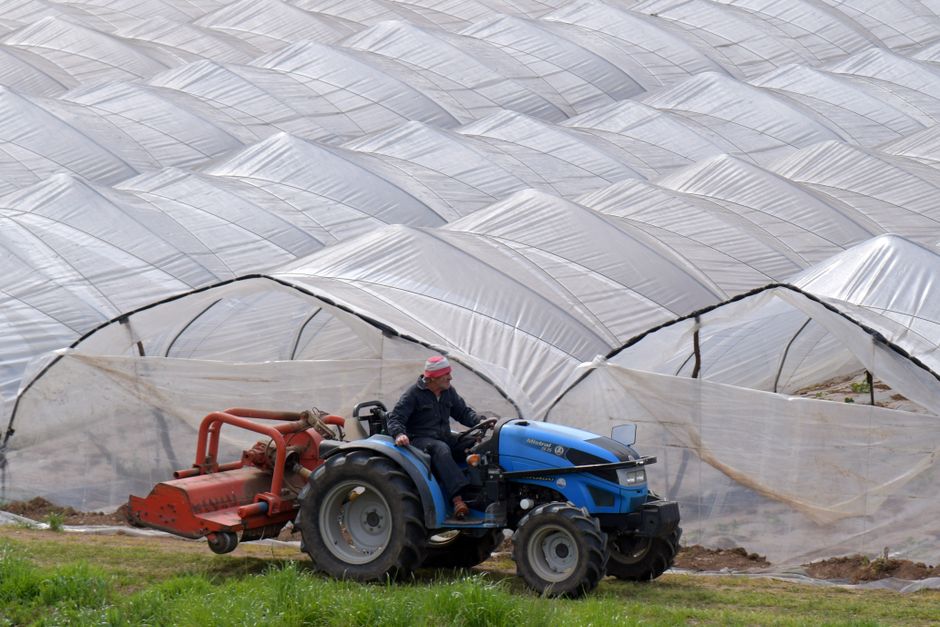
Before diving into specific equipment, it’s essential to understand the basic structure of a greenhouse. A greenhouse is typically made of transparent materials such as glass or plastic, allowing sunlight to penetrate while creating a warm, humid environment. The structure’s design can vary significantly, with options ranging from small hobby greenhouses to large commercial operations. Proper ventilation, heating, and cooling systems are crucial for maintaining the ideal climate within the greenhouse.
One of the key aspects of greenhouse design is the orientation and placement. Greenhouses should be positioned to maximize sunlight exposure throughout the day. Additionally, the choice of materials affects insulation and light transmission, which are critical factors in plant growth.
Climate Control Equipment
Climate control is perhaps the most crucial aspect of greenhouse management. Various systems are employed to regulate temperature, humidity, and air circulation. Heating systems, such as gas or electric heaters, ensure that plants remain warm during colder months. Conversely, cooling systems, including fans and evaporative coolers, help to dissipate heat during the summer.
Another significant component is the ventilation system. Proper airflow is necessary to prevent the buildup of excess humidity, which can lead to mold and diseases. Automatic vent openers can be installed to optimize air exchange based on temperature fluctuations, ensuring a consistent environment for the plants.
Irrigation and Water Management
Water management is critical for plant health and productivity. In a greenhouse, various irrigation systems can be employed, including drip irrigation, overhead sprinklers, and hydroponic systems. Drip irrigation is particularly efficient, delivering water directly to the plant roots while minimizing waste.
In addition to irrigation systems, water quality is essential. Regular testing for pH and nutrient levels can help ensure that plants receive the necessary elements for growth. Rainwater harvesting systems can also be integrated into greenhouse designs, providing an eco-friendly source of water.
Lighting Solutions for Enhanced Growth
While natural sunlight is the primary light source for greenhouses, supplemental lighting can be beneficial, especially during shorter days or for specific plant types. LED grow lights are becoming increasingly popular due to their energy efficiency and ability to provide the specific light spectrum that plants need for photosynthesis.
Different plants have varying light requirements, and understanding these needs is crucial for successful cultivation. For instance, seedlings and flowering plants might require different lighting conditions to thrive. Implementing a proper lighting system can lead to faster growth rates and higher yields.
Monitoring and Automation Technologies
Incorporating technology into greenhouse management can greatly enhance efficiency and productivity. Sensors that monitor temperature, humidity, and soil moisture levels can provide valuable data, allowing growers to make informed decisions. Automated systems can adjust climate controls and irrigation schedules based on real-time data, reducing labor and resource waste.
Furthermore, advanced greenhouse management software can track growth patterns, predict yields, and even manage inventory. By utilizing these technologies, growers can optimize their operations and significantly improve their output.
Conclusion
Investing in the right greenhouse equipment is essential for any grower looking to maximize their yield and ensure the health of their plants. From climate control systems to lighting solutions and automated monitoring technologies, each element plays a critical role in creating an ideal growing environment. Understanding and implementing these components can lead to successful greenhouse operations that thrive regardless of external conditions. For anyone interested in exploring more about greenhouse equipment, a wealth of options is available to suit various needs and budgets.