
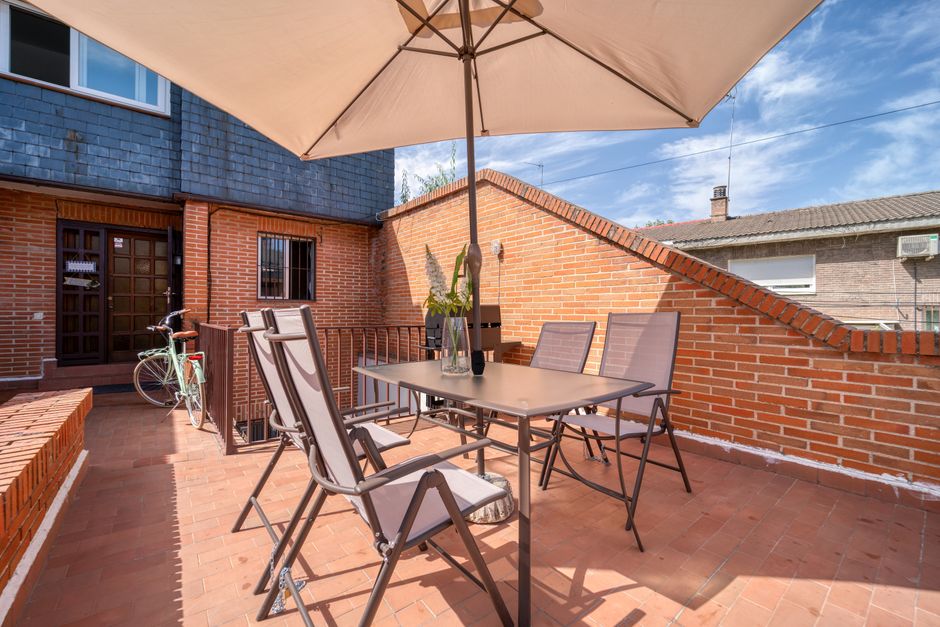
Terraces have become an essential aspect of modern architecture, providing not just aesthetic appeal but also functional space for relaxation and entertainment. As urban living spaces become more compact, maximizing outdoor areas has become a priority for homeowners and designers alike. In this article, we will delve into the various types of terraces, their designs, and how they enhance our living environments.
The Evolution of Terrace Design
Historically, terraces have been used in different cultures around the world, from the ancient hanging gardens of Babylon to the Mediterranean villas that feature expansive outdoor spaces. Over time, the design of terraces has evolved, adapting to new architectural styles and the needs of homeowners. Today, terraces can be found on rooftops, balconies, and gardens, showcasing a wide array of materials from wood to stone and even glass.
One of the most significant advancements in terrace design is the incorporation of sustainable practices. Many modern terraces are designed with eco-friendly materials and landscaping, promoting biodiversity and reducing the carbon footprint of buildings. For instance, using native plants in terrace gardens can help conserve water and support local wildlife.
The aesthetic appeal of terraces cannot be overstated. They serve as a canvas for creativity, allowing homeowners to personalize their outdoor spaces. Whether it’s through stylish furniture, decorative plants, or unique lighting, terraces can be transformed into an oasis, offering a serene escape from the hustle and bustle of daily life.
Functional Benefits of Terraces
Beyond their beauty, terraces offer a range of practical benefits. They can extend the living space of a home, providing additional areas for social gatherings, barbecues, or simply unwinding in the sun. In urban areas where green space is limited, terraces can serve as a vital source of outdoor space.
Moreover, terraces can improve the overall energy efficiency of a building. By providing insulation and reducing heat absorption, well-designed terraces can help lower energy costs. Features such as Terrassenüberdachungen (terrace coverings) can also protect outdoor furniture and create a comfortable space for use throughout the year.
In addition to energy savings, terraces can significantly increase property value. Homes with well-designed outdoor spaces are often more attractive to buyers, making them a worthwhile investment. Real estate experts suggest that properties with terraces can see a return on investment of up to 20% more than similar homes without outdoor spaces.
Design Trends in Modern Terraces
The trend towards creating multifunctional terraces is on the rise. Homeowners are increasingly looking for ways to make their outdoor spaces usable throughout the year. This has led to a surge in demand for features such as outdoor kitchens, fire pits, and comfortable seating areas that can accommodate gatherings and family activities.
Another trend is the integration of technology into terrace design. Smart outdoor lighting, automated irrigation systems, and even outdoor speakers are becoming common features. These innovations allow homeowners to enjoy their terraces in more ways than ever, enhancing the overall experience of outdoor living.
Sustainability is also at the forefront of terrace design trends. Many homeowners are opting for solar panels on their terraces, which can provide renewable energy and reduce reliance on traditional power sources. Additionally, implementing rainwater harvesting systems can make terrace gardens more sustainable, allowing for eco-friendly gardening.
Creating Your Dream Terrace
When designing a terrace, it’s essential to consider your personal needs and preferences. Start by assessing the available space and how you envision using it. Do you want a tranquil garden for relaxation, or an entertaining area for social gatherings? Understanding your goals will guide your design choices.
Next, think about the materials and plants that will best suit your space. Opt for durable materials that can withstand weather conditions, and select plants that require minimal upkeep if you have a busy lifestyle. Incorporating elements such as water features or artwork can also add a unique touch to your terrace.
Finally, consider the layout and flow of your terrace. Ensure there is enough space for movement and that seating areas are strategically placed for both comfort and conversation. A well-thought-out design will enhance the experience of using the terrace, making it a beloved feature of your home.
Conclusion
Terraces are not just an extension of our homes; they are vital spaces that enhance our quality of life. By understanding the benefits and trends in terrace design, homeowners can create functional, beautiful outdoor areas that meet their needs. Whether you are looking to relax, entertain, or simply enjoy nature, a well-designed terrace can transform your living experience. Investing in your terrace can yield significant rewards, from increased property value to improved daily enjoyment of your home.