
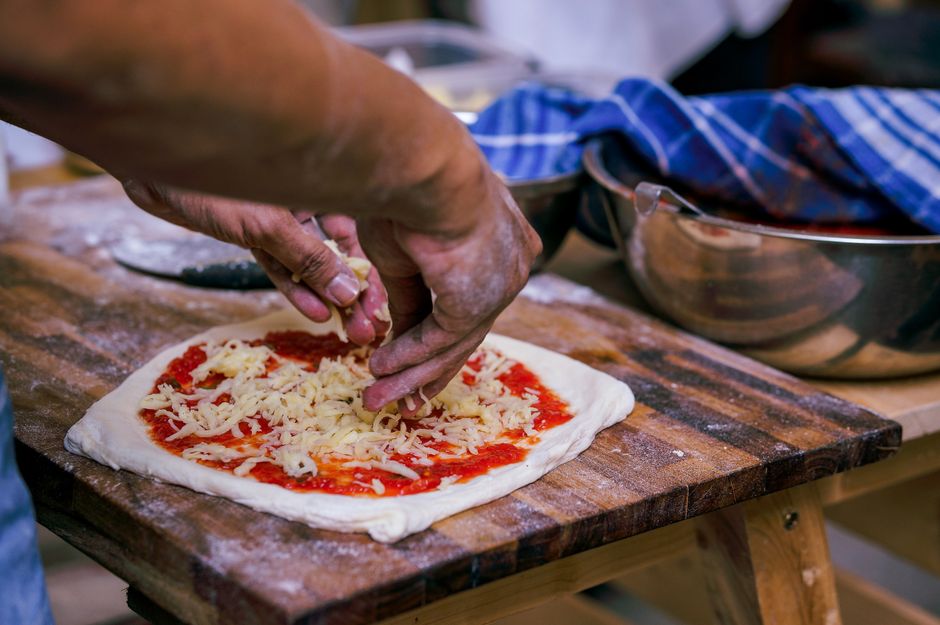
The allure of handmade pizza goes beyond its delicious taste; it embodies a passion for culinary creativity and a commitment to quality ingredients. Unlike mass-produced options, handmade pizza offers a unique experience where each pie is crafted with care and love. This article explores the art of making handmade pizza, the importance of fresh ingredients, and the various techniques that can elevate your pizza-making skills.
The History of Pizza: From Tradition to Modern Day
Pizza has a rich history that dates back to ancient civilizations, but it was in Naples, Italy, during the late 18th century that the modern pizza as we know it began to take shape. Originally, pizza was a simple flatbread topped with herbs and olive oil, but as tomatoes were introduced to Europe from the Americas, they became a staple topping. The Margherita pizza, named after Queen Margherita of Savoy, exemplifies this evolution with its colors representing the Italian flag: red (tomato), white (mozzarella), and green (basil).
Today, handmade pizza is celebrated worldwide, with each region adding its own twist. In the United States, for instance, Chicago deep-dish pizza offers a hearty contrast to New York’s thin crust variety. This diversity showcases the adaptability of pizza, allowing it to resonate with different cultures and tastes.
As you embark on your pizza-making journey, understanding the historical context can enhance your appreciation for this beloved dish.
Key Ingredients for Handmade Pizza
The foundation of any great handmade pizza lies in its ingredients. A traditional pizza dough consists of flour, water, yeast, and salt. However, the choice of flour can significantly impact the final product. Italian ’00’ flour is preferred for its fine texture, making it ideal for achieving a crispy crust.
Tomato sauce, often made from San Marzano tomatoes, is another crucial component. These tomatoes are known for their sweetness and low acidity, providing a perfect balance when combined with herbs like oregano and basil. When it comes to cheese, fresh mozzarella is a must, as it melts beautifully and adds a creamy texture.
Additionally, toppings are where creativity shines. From classic pepperoni to gourmet options like arugula and prosciutto, the possibilities are endless. Experimenting with different combinations can lead to unique flavor profiles that reflect your personal taste.
The Pizza-Making Process: Techniques and Tips
Making handmade pizza is as much about technique as it is about ingredients. The first step is to prepare the dough, allowing it to rise properly to achieve the desired texture. Kneading the dough helps develop gluten, which provides elasticity and structure.
Once the dough has risen, shaping it is essential. Many home cooks struggle with this step, often using a rolling pin. Instead, try stretching the dough by hand for a more authentic experience. This method preserves air bubbles, resulting in a lighter crust.
When it comes to baking, the right equipment can make all the difference. A pizza stone or steel can replicate the high temperatures of a traditional pizza oven, ensuring a perfectly cooked crust. Preheating the stone is essential for achieving that coveted crispy bottom.
For those looking to elevate their pizza experience, consider using a pizza peel for easy transfer to and from the oven. Additionally, experimenting with different cooking methods, such as grilling or using a wood-fired oven, can impart unique flavors to your pizza.
Health Benefits of Handmade Pizza
While pizza is often viewed as a guilty pleasure, handmade pizza can be a healthier option than its fast-food counterparts. By choosing whole-grain flour for the crust and incorporating a variety of vegetables as toppings, you can create a nutrient-dense meal.
Furthermore, making pizza at home allows you to control portion sizes and ingredients, reducing unhealthy additives often found in commercial pizza. Adding fresh herbs not only enhances flavor but also boosts nutritional value.
Studies have shown that enjoying meals made from scratch can lead to healthier eating habits. The act of preparing food can foster mindfulness and appreciation for what we consume, making handmade pizza an excellent choice for both taste and health.
Exploring Global Variations of Handmade Pizza
As pizza has traveled around the globe, it has evolved into various forms, each reflecting local tastes and ingredients. For example, in Japan, you might find pizzas topped with teriyaki chicken and seaweed, while in India, paneer and tikka spices may take center stage.
These global variations not only broaden the palate but also inspire creativity in your own pizza-making endeavors. By incorporating international flavors and techniques, you can create fusion pizzas that surprise and delight.
Moreover, visiting local pizzerias that specialize in regional styles can provide inspiration and insight into the art of pizza-making.
For those seeking a unique dining experience, try exploring the menu options at places like LUXURY 777, where handmade pizzas are crafted with a touch of luxury and creativity.
Conclusion: Your Pizza Journey Awaits
Handmade pizza is more than just a meal; it is a celebration of flavors, creativity, and tradition. By understanding the history, mastering key techniques, and experimenting with fresh ingredients, you can elevate your pizza-making skills to new heights. Whether you prefer classic styles or adventurous toppings, the world of handmade pizza offers endless possibilities for culinary exploration. So roll up your sleeves, gather your ingredients, and embark on your pizza-making journey today!