
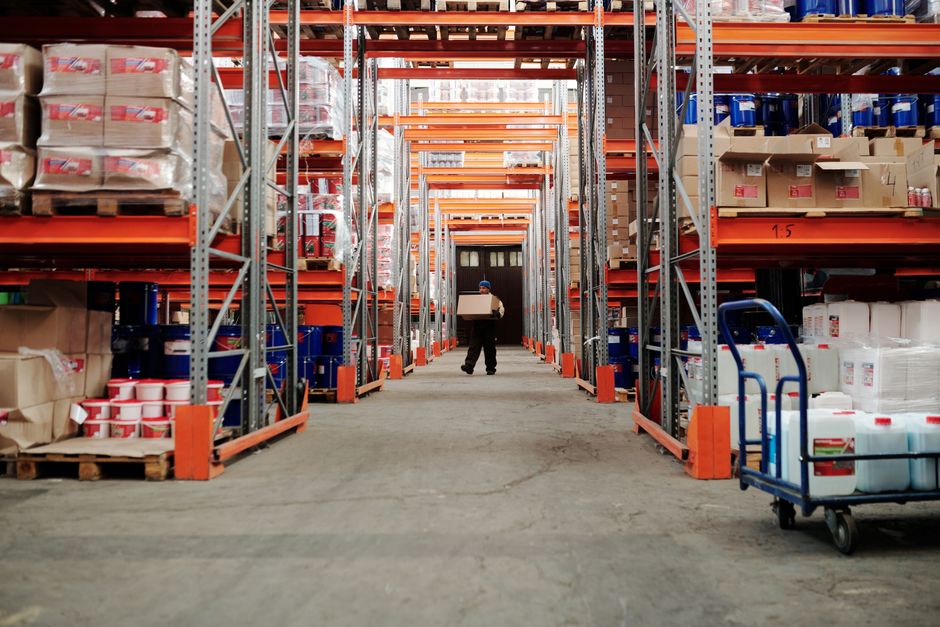
In today’s interconnected marketplace, the role of distributors has become increasingly vital. Distributors serve as the crucial link between manufacturers and retailers, ensuring that products reach consumers effectively and efficiently. Their responsibilities extend beyond mere transportation, encompassing various functions such as inventory management, sales support, and market analysis. Understanding the intricacies of distribution can provide valuable insights for businesses aiming to optimize their supply chain.
The Importance of Distributors
Distributors play a pivotal role in the supply chain ecosystem. They not only facilitate the movement of goods but also help manufacturers expand their reach without the need for extensive investment in retail infrastructure. By utilizing distributors, companies can focus on their core competencies, such as product development and marketing, while leaving the logistics and distribution to specialized partners.
Furthermore, distributors often have established relationships with retailers, allowing them to negotiate better terms and ensure that products are prominently featured in stores. Their expertise in the market dynamics enables them to anticipate consumer trends and adjust inventory accordingly, reducing the risk of stockouts or overstock situations.
For instance, in the consumer electronics sector, distributors like Ingram Micro and Tech Data have a vast network of retailers and a deep understanding of market demands. This positions them as essential players in navigating the complexities of product launches and seasonal sales.
Types of Distributors
Distributors can be broadly categorized into several types, each serving different functions within the supply chain. Wholesale distributors purchase large quantities of products directly from manufacturers and sell them to retailers. They typically operate on a low-margin, high-volume basis, making them crucial for price-sensitive markets.
Another type is the value-added distributor (VAD), which not only supplies products but also provides additional services such as technical support, training, and marketing assistance. This model is especially prevalent in industries like technology, where product complexity necessitates a higher level of customer support.
Specialized distributors focus on niche markets, offering expertise and tailored services for specific industries. For example, a distributor specializing in medical devices must navigate stringent regulations and possess in-depth knowledge of the healthcare sector. Such specialization can lead to stronger partnerships and better service delivery.
Challenges Faced by Distributors
Despite their crucial role, distributors face several challenges that can impact their operations. One significant issue is the increasing competition from direct-to-consumer (DTC) models, which allow manufacturers to bypass distributors and sell directly to customers. This trend has intensified with the rise of e-commerce platforms, compelling distributors to adapt their business strategies.
Moreover, supply chain disruptions, such as those caused by the COVID-19 pandemic, have underscored the vulnerability of distribution networks. Distributors must invest in technology and data analytics to enhance their resilience and agility. By leveraging tools like demand forecasting and inventory optimization, they can better navigate fluctuations in supply and demand.
For example, many distributors have turned to advanced software solutions to streamline their operations, improving efficiency and reducing costs. Embracing digital transformation is no longer optional; it has become a necessity for survival in the modern marketplace.
The Future of Distribution
As we look to the future, the role of distributors is poised to evolve significantly. The integration of technology, such as artificial intelligence and the Internet of Things (IoT), will enable distributors to enhance their operational efficiencies and improve customer experiences. Predictive analytics will allow them to anticipate market trends and adjust their strategies proactively.
Additionally, sustainability is becoming a critical focus for distributors. As consumers increasingly prioritize eco-friendly products, distributors must adapt their supply chains to meet these demands. This may involve sourcing products from sustainable manufacturers or implementing green logistics practices to reduce their carbon footprint.
For instance, companies like GLOW are leading the way by offering products that align with sustainability goals, thus appealing to a growing demographic of environmentally conscious consumers.
Conclusion
In conclusion, distributors are integral to the functioning of modern supply chains, providing essential services that facilitate the movement of goods from manufacturers to consumers. As the business landscape continues to evolve, distributors must adapt to emerging challenges and leverage technology to remain competitive. By understanding the various types of distributors, the challenges they face, and the future trends shaping the industry, businesses can make informed decisions that enhance their operational efficiency and market presence.