
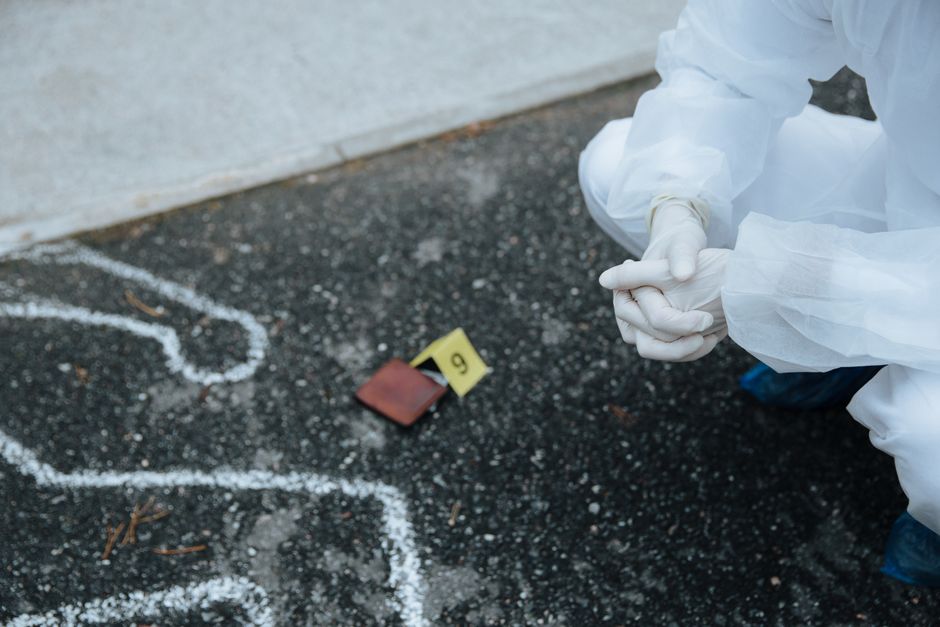
Crime scene cleanup is a critical yet often overlooked aspect of the criminal justice process. It involves the meticulous cleaning and restoration of areas where violent crimes or traumatic events have occurred. While many people may not consider the aftermath of a crime scene, the reality is that proper cleanup is essential not only for public health but also for the emotional well-being of those affected. This article delves into the intricacies of crime scene cleanup, its importance, and the processes involved.
What is Crime Scene Cleanup?
Crime scene cleanup, often referred to as biohazard cleanup, is the process of removing hazardous materials, including blood, bodily fluids, and other biological contaminants, from a crime scene. This specialized cleaning is necessary to ensure that the area is safe for habitation and free from potential health risks. Professionals trained in this field possess the necessary equipment and expertise to handle these situations delicately and efficiently.
The cleaning process typically begins after law enforcement has completed their investigation. It is crucial for cleanup crews to arrive promptly to prevent any further contamination and to protect the integrity of the area.
Many people are unaware that crime scene cleanup is governed by strict regulations and safety guidelines. The Occupational Safety and Health Administration (OSHA) provides guidelines to ensure that cleanup crews use appropriate protective gear and follow proper disposal procedures for hazardous materials.
The Health Risks of Improper Cleanup
Failing to properly clean a crime scene can pose serious health risks to those who enter the area. Blood and other bodily fluids can harbor pathogens, including bacteria, viruses, and fungi. For instance, diseases such as HIV, Hepatitis B, and Hepatitis C can be transmitted through contact with contaminated materials.
In addition to infectious diseases, there are psychological impacts associated with being in a space where a violent crime has occurred. The emotional trauma can be significant, making it imperative to restore the environment to a safe and livable state as quickly as possible.
Statistics indicate that many crime scene cleanup companies report an increase in demand for their services, particularly in urban areas where violent crime rates are higher. In fact, a survey conducted in major cities revealed that nearly 70% of respondents expressed concern about the health implications of inadequate crime scene cleanup.
The Process of Crime Scene Cleanup
The crime scene cleanup process can be broken down into several key steps. First, the area is assessed to determine the extent of contamination. This assessment is critical in identifying the necessary materials and cleaning agents needed for the job.
Next, cleanup crews secure the area to prevent unauthorized access. This is followed by the removal of all biohazardous materials, which must be disposed of in accordance with local regulations. Cleanup professionals typically use specialized equipment, including disinfectants and industrial vacuums, to ensure thorough decontamination.
Once the physical cleanup is completed, the area is often deodorized to eliminate any lingering odors. This step is important not only for aesthetic reasons but also for psychological comfort. A clean and odor-free environment can significantly aid in the healing process for victims and their families.
The Role of Professional Cleanup Services
While some individuals may attempt to handle crime scene cleanup themselves, it is highly recommended to hire professional services. These experts are trained to manage the unique challenges presented by crime scenes and can ensure that all cleanup is performed safely and effectively.
Furthermore, professional services are equipped with the latest technologies and cleaning agents that are not typically available to the general public. This access allows them to perform a more thorough job than an untrained individual could achieve.
Additionally, many cleanup companies offer emotional support and guidance to families affected by the trauma of crime. This holistic approach to cleanup emphasizes not only the physical restoration of the area but also the emotional healing of those impacted.
Conclusion
In conclusion, crime scene cleanup is a vital process that plays an essential role in public health and safety. Proper cleanup helps to mitigate health risks associated with biohazardous materials and provides a sense of closure for victims and their families. It is crucial to recognize the importance of hiring trained professionals for this task to ensure that the area is restored safely and effectively. For those seeking more information, resources on crime scene cleanup are readily available to guide individuals through this complex issue.