
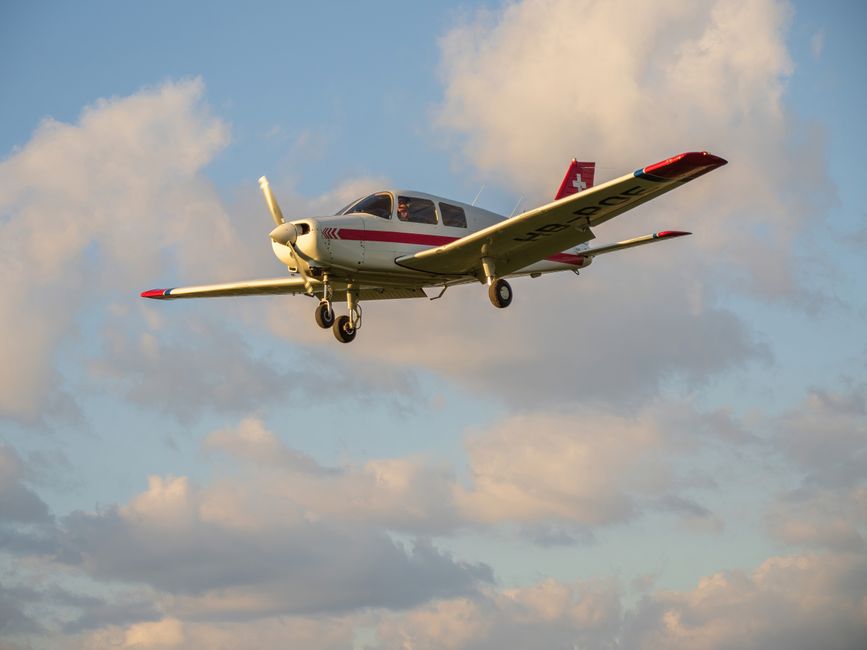
Aviation insurance is a specialized form of coverage designed to protect aircraft owners, operators, and passengers from financial losses associated with aviation-related incidents. The aviation industry is unique, with its own set of risks that require tailored insurance solutions. As air travel continues to grow globally, understanding the nuances of aviation insurance becomes increasingly important for stakeholders in this sector.
The Importance of Aviation Insurance
In the aviation industry, the stakes are high. Accidents can lead to catastrophic losses, both in terms of human life and financial resources. Aviation insurance serves as a safety net, providing peace of mind to aircraft owners and operators. Without proper coverage, the financial burden of accidents, damages, and liability claims can be devastating.
Moreover, aviation insurance is not just about protecting against accidents. It also covers a wide range of liabilities, including passenger injuries, third-party damage, and even environmental liabilities. This comprehensive coverage is crucial in a sector where incidents can lead to significant legal and financial repercussions.
Types of Aviation Insurance
Aviation insurance can be categorized into several types, each designed to address specific needs and risks associated with aviation operations. The primary types include:
- Hull Insurance: This type of insurance covers physical damage to the aircraft itself, whether on the ground or in the air.
- Liability Insurance: This coverage protects against claims made by third parties for damages or injuries resulting from aircraft operations.
- Passenger Insurance: This is designed to cover injuries sustained by passengers during a flight.
- Ground Risk Insurance: This coverage protects against risks that occur when the aircraft is on the ground, such as theft or vandalism.
Understanding these types of coverage can help aircraft owners to tailor their insurance policies to meet their specific operational needs. For instance, a commercial airline might prioritize liability insurance due to the high volume of passengers, while a private plane owner might focus on hull insurance.
Factors Influencing Aviation Insurance Premiums
The cost of aviation insurance premiums can vary widely based on several factors. These include:
- Aircraft Type: The model, age, and value of the aircraft significantly influence premium rates. Newer and more expensive aircraft typically incur higher premiums.
- Usage: The intended use of the aircraft—whether for personal, commercial, or cargo purposes—also affects the cost. Commercial operations usually face higher premiums due to increased risk.
- Flight History: An aircraft’s safety record and the pilot’s experience play vital roles in determining premiums. A clean flight history can lead to lower rates.
For instance, a small private plane used for leisure flights may have lower insurance costs compared to a commercial jet that frequently flies passengers. Understanding these factors can help operators make informed decisions when shopping for aviation insurance.
Claim Process in Aviation Insurance
In the unfortunate event of an aviation incident, understanding the claims process is crucial. The process typically involves several steps:
- Notification: The first step is to notify the insurance provider as soon as possible after the incident.
- Documentation: Collecting and providing evidence, such as incident reports, photographs, and witness statements, is essential for a successful claim.
- Investigation: The insurance company will conduct an investigation to assess the circumstances of the incident and determine liability.
- Settlement: If the claim is approved, the insurer will provide compensation based on the policy terms.
Understanding this process can streamline the experience and ensure that claimants are adequately compensated for their losses.
Future Trends in Aviation Insurance
The aviation insurance industry is evolving, influenced by advancements in technology and changing regulations. Emerging trends include:
- Data Analytics: Insurers are increasingly using data analytics to assess risks more accurately, leading to more tailored insurance products.
- Automation: The integration of automation in insurance processes can enhance efficiency, from underwriting to claims handling.
- Environmental Considerations: With a growing focus on sustainability, insurance products are being developed to address environmental risks associated with aviation.
As the aviation industry continues to grow and evolve, staying informed about these trends is essential for stakeholders looking to navigate the complexities of aviation insurance effectively.
Conclusion
Aviation insurance is a crucial component of the aviation industry, providing essential coverage against various risks. Understanding the different types of insurance, factors influencing premiums, the claims process, and emerging trends can empower aircraft owners and operators to make informed decisions. As the industry continues to change, staying abreast of developments in aviation insurance will be vital for ensuring safety and financial security.
For those interested in exploring options related to aviation insurance, consulting with an experienced insurance provider can offer valuable insights tailored to specific needs.