
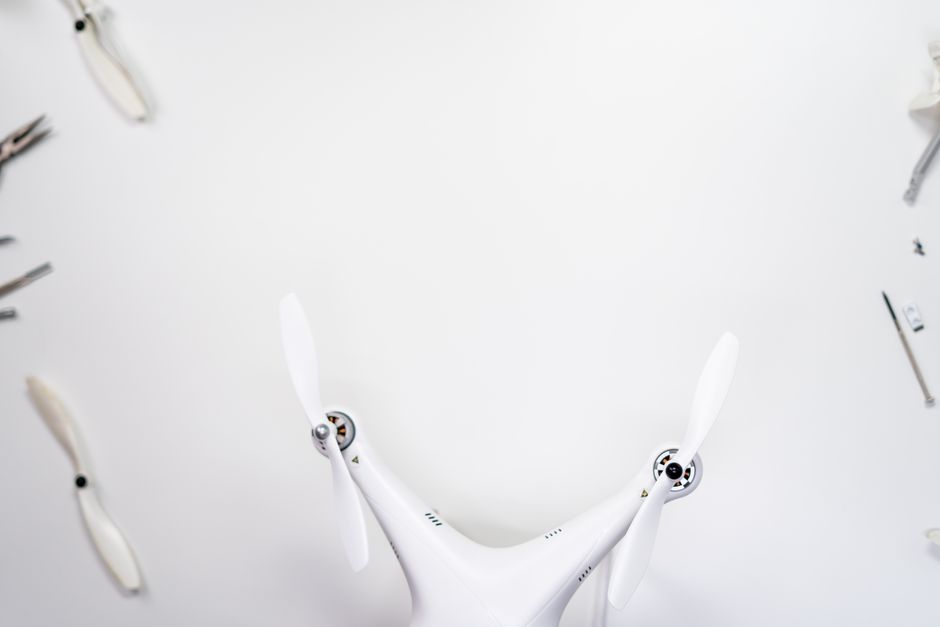
The rise of drone technology has transformed various industries, from agriculture to film production. Becoming a certified drone pilot can open doors to numerous career opportunities. Whether you are looking to pursue a hobby or aim for a professional career, understanding the certification process is essential. This article will explore the steps, requirements, and benefits of obtaining your drone pilot certification.
Understanding Drone Pilot Certification
Drone pilot certification is a formal recognition that a pilot has acquired the necessary skills and knowledge to operate a drone legally and safely. This certification is vital for those who wish to fly drones for commercial purposes, as it ensures adherence to aviation regulations and safety protocols.
In many countries, the certification process involves passing a written exam, demonstrating flight proficiency, and completing a practical training course. The specific requirements can vary based on local regulations, so it is crucial to familiarize yourself with the rules in your area.
For example, in the United States, the Federal Aviation Administration (FAA) mandates that commercial drone pilots pass the Part 107 exam, which covers various topics, including airspace classification, weather effects, and operational limitations. Understanding these regulations can greatly contribute to a pilot’s effectiveness and safety.
The Steps to Certification
To become a certified drone pilot, follow these essential steps:
1. **Research Local Regulations**: Before starting your certification journey, research the regulations governing drone operations in your country or region. This will help you understand what is required to obtain your certification.
2. **Choose a Training Program**: Many organizations offer training programs specifically designed for aspiring drone pilots. These programs often provide comprehensive instruction on flight operations, safety practices, and regulatory requirements. Look for programs that are accredited by relevant aviation authorities.
3. **Prepare for the Exam**: Most certification processes involve passing an exam. Study the relevant materials thoroughly, and consider taking practice tests to gauge your knowledge. Online resources and study groups can also be beneficial for exam preparation.
Benefits of Certification
Obtaining a drone pilot certification comes with numerous advantages:
1. **Enhanced Job Opportunities**: Certified drone pilots are often preferred by employers, especially in industries like real estate, construction, and agriculture. Certification serves as proof of your skills and commitment to safety.
2. **Access to Restricted Airspace**: With certification, you may have the ability to operate in controlled airspace, which is typically restricted to untrained pilots. This opens up new opportunities for commercial work, such as aerial photography and surveying.
3. **Insurance Benefits**: Many insurance companies offer better coverage rates for certified drone pilots. Being certified can reduce your risk profile, making it easier and more affordable to obtain insurance for your drone operations.
Common Challenges in the Certification Process
While pursuing drone pilot certification can be rewarding, it can also present challenges:
1. **Complex Regulations**: Navigating the various regulations can be daunting. Each country has its own set of rules, and staying informed is crucial for successful certification.
2. **Cost of Training**: Professional training programs can be expensive. It’s important to weigh the costs against the potential benefits and opportunities that certification can provide.
3. **Time Commitment**: Preparing for the certification exam requires time and dedication. Aspiring pilots must be willing to invest significant effort into their studies and training.
Future of Drone Pilot Certification
The demand for certified drone pilots is expected to grow as industries increasingly adopt drone technology. As this trend continues, certification processes may evolve to include more advanced training and new technologies.
Emerging fields such as drone delivery services and aerial inspections will likely create new certification requirements. Staying updated on industry trends and advancements will be essential for current and future drone pilots.
In conclusion, obtaining your drone pilot certification is a vital step towards a successful career in the expanding field of drone operations. By understanding the certification process, preparing adequately, and staying informed about industry developments, you can position yourself for success in this exciting field.
Conclusion
Becoming a certified drone pilot is not just about passing an exam; it’s about ensuring safety, understanding regulations, and embracing the potential of drone technology. With the right training and commitment, you can navigate the skies with confidence and build a successful career in this innovative industry.