
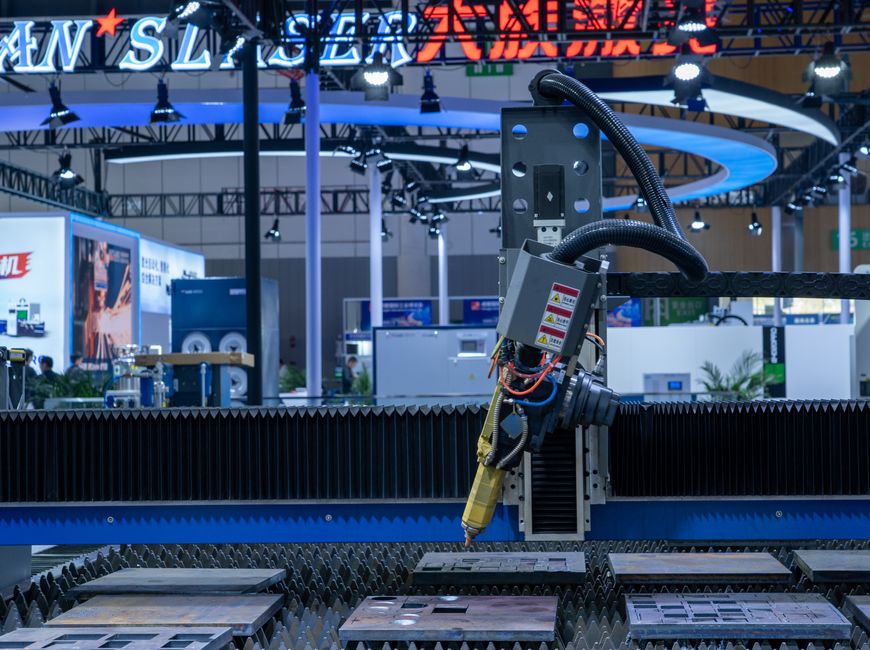
The landscape of manufacturing and production is undergoing a seismic shift, largely driven by advancements in technology and the increasing need for efficiency. Industrial automation suppliers play a pivotal role in this transformation, providing the tools and systems necessary for businesses to thrive in a competitive market. This article explores the importance of industrial automation suppliers, the types of solutions they offer, and how companies can leverage these technologies to enhance productivity and reduce costs.
The Importance of Industrial Automation
The concept of industrial automation refers to the use of control systems, such as computers or robots, for handling different processes and equipment in an industry to replace human intervention. This shift is not just about replacing labor; it’s about increasing precision, consistency, and efficiency in production. According to a report by McKinsey, companies that fully embrace automation could see productivity gains of up to 30% by 2030.
Furthermore, as industries face labor shortages and rising operational costs, automation becomes essential. Suppliers of industrial automation solutions, like industrial automation supplier, provide technologies that help businesses not only survive but thrive in this rapidly changing environment.
Types of Automation Solutions
Industrial automation suppliers offer a wide array of solutions tailored to meet the specific needs of different industries. These include programmable logic controllers (PLCs), robotic arms, and automated guided vehicles (AGVs). Each of these technologies contributes to streamlined operations.
PLCs are the backbone of automation systems, allowing for complex control processes to be managed efficiently. Robotic arms can perform repetitive tasks with high accuracy, reducing the chances of human error. Meanwhile, AGVs help in logistics management, transporting materials across the factory floor without human intervention.
Benefits of Partnering with Automation Suppliers
By collaborating with industrial automation suppliers, companies can enjoy numerous benefits. For instance, the integration of automated systems often leads to a significant reduction in operational costs. A study by the International Federation of Robotics indicated that automation can reduce labor costs by as much as 25% in certain manufacturing sectors.
Moreover, automation enhances product quality. Automated systems provide consistent output quality, which is crucial in industries such as food production and pharmaceuticals where safety and compliance are paramount. The reliability of automated systems also means that production downtimes can be minimized, further improving the overall efficiency of operations.
Implementation Challenges
Despite the many advantages, implementing automation solutions is not without its challenges. One significant hurdle is the initial investment. Many companies hesitate to invest in automation technologies due to the high upfront costs involved. However, it’s vital to consider the long-term savings and efficiency gains that automation can deliver.
Additionally, workforce adaptation is another challenge. Employees may require training to manage and maintain automated systems effectively. Providing adequate training programs can help ease this transition and ensure that staff are well-equipped to work alongside new technologies.
The Future of Industrial Automation
The future of industrial automation looks promising, with emerging technologies such as artificial intelligence (AI) and the Internet of Things (IoT) poised to further revolutionize the field. These technologies will enhance data collection and analysis, leading to smarter decision-making processes.
As industries continue to evolve, the role of industrial automation suppliers will become increasingly crucial. They will not only provide the necessary tools and systems but also support companies in navigating the complexities of digital transformation.
Conclusion
In conclusion, industrial automation suppliers are essential partners for businesses seeking to enhance their operational efficiency and remain competitive in today’s market. By understanding the various solutions available and the benefits they bring, companies can make informed decisions that pave the way for a more automated and productive future. As we move forward, the collaboration between industries and automation suppliers will play a critical role in shaping the landscape of manufacturing and production.