
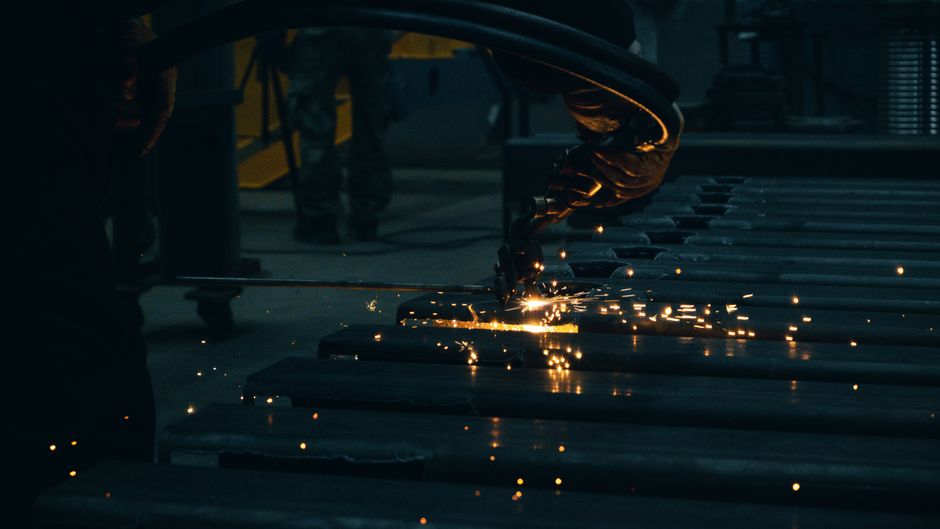
Metal fabrication is a vital process in various industries, from construction to manufacturing. Understanding how metal fabrication shops operate can provide insights into their significance and the services they offer. In this article, we will delve into the essential aspects of metal fabrication shops, including their processes, equipment, and the various applications of their products.
What Is Metal Fabrication?
Metal fabrication is the process of building metal structures by cutting, bending, and assembling. It involves a variety of techniques and utilizes various metals, including steel, aluminum, and copper. Metal fabrication shops typically handle projects that require precision and expertise, making them essential for industries that rely on custom metal parts and assemblies.
The fundamental processes of metal fabrication include machining, welding, cutting, and forming. Each of these processes plays a crucial role in transforming raw metal into usable products. For example, welding is essential in joining pieces of metal together, while cutting methods such as laser or plasma cutting offer precision and efficiency.
The Role of Metal Fabrication Shops
Metal fabrication shops serve as the backbone of many manufacturing operations. They provide essential services that allow other businesses to thrive. From creating custom metal components for machinery to producing structural steel for buildings, these shops cater to a wide range of industries.
Moreover, metal fabrication shops often collaborate with engineers and designers to ensure that the final products meet specific requirements. This collaboration is vital in creating prototypes or custom orders, as it allows for adjustments and improvements during the fabrication process.
Equipment and Technology in Metal Fabrication
Modern metal fabrication shops employ a range of advanced equipment and technology to enhance their capabilities. CNC (Computer Numerical Control) machines are among the most important tools in these shops, providing high precision and efficiency in cutting and shaping metal.
In addition to CNC machines, metal fabrication shops utilize various other tools such as laser cutters, plasma cutters, and welding machines. Each piece of equipment is designed to handle specific tasks, allowing for a streamlined production process. Furthermore, automation and robotics are increasingly being integrated into metal fabrication to improve productivity and reduce labor costs.
Applications of Metal Fabrication
The applications of metal fabrication are vast and varied. Industries such as construction, automotive, aerospace, and energy rely heavily on fabricated metal products. For example, in the construction industry, metal fabrication is essential for producing structural components like beams, columns, and frames.
In the automotive sector, metal fabrication is critical for manufacturing parts such as chassis, body panels, and engine components. Similarly, the aerospace industry depends on fabricated metal parts to create lightweight yet strong components for aircraft. The versatility of metal fabrication ensures that it remains a crucial element across these industries.
Choosing the Right Metal Fabrication Shop
When selecting a metal fabrication shop, businesses should consider several factors. Quality of work, turnaround time, and cost are among the most critical aspects. It’s essential to choose a shop with a proven track record of producing high-quality products that meet industry standards.
Additionally, customer service and communication are crucial when working with a metal fabrication shop. A reliable shop will maintain open lines of communication, ensuring that clients are informed throughout the fabrication process. This transparency is vital for managing expectations and ensuring that the final product aligns with the client’s vision.
As you explore the options available, consider checking out a reputable metal fabrication shop that meets your specific needs and requirements.
Conclusion
Metal fabrication shops play a critical role in the manufacturing landscape, offering essential services that cater to various industries. Understanding their processes, equipment, and applications can help businesses make informed decisions when seeking fabrication services. By choosing the right shop, companies can ensure that they receive high-quality products that meet their operational needs.