When it comes to construction and renovation projects, the role of a demolition contractor is often overlooked. However, their expertise is crucial for ensuring that a project starts on the right foot. From residential buildings to large commercial structures, demolition contractors are responsible for safely and efficiently tearing down existing structures, making way for new developments. This article explores the various facets of demolition contracting, including the processes involved, safety measures, and the importance of hiring qualified professionals.
What Does a Demolition Contractor Do?
A demolition contractor specializes in the careful dismantling and removal of buildings and structures. Their work encompasses a wide range of activities, which may include interior demolition, complete structural demolition, and site clearance. Before any demolition takes place, a thorough assessment of the site is conducted to identify any potential hazards, such as the presence of hazardous materials like asbestos or lead. This assessment ensures that all safety protocols are followed during the demolition process.
One critical aspect of a demolition contractor’s job is obtaining the necessary permits. Local regulations often require permits for demolition work, and a qualified contractor will have the knowledge to navigate these legal requirements. For instance, they will ensure that all utility services are disconnected before starting the demolition, which prevents accidents and service disruptions.
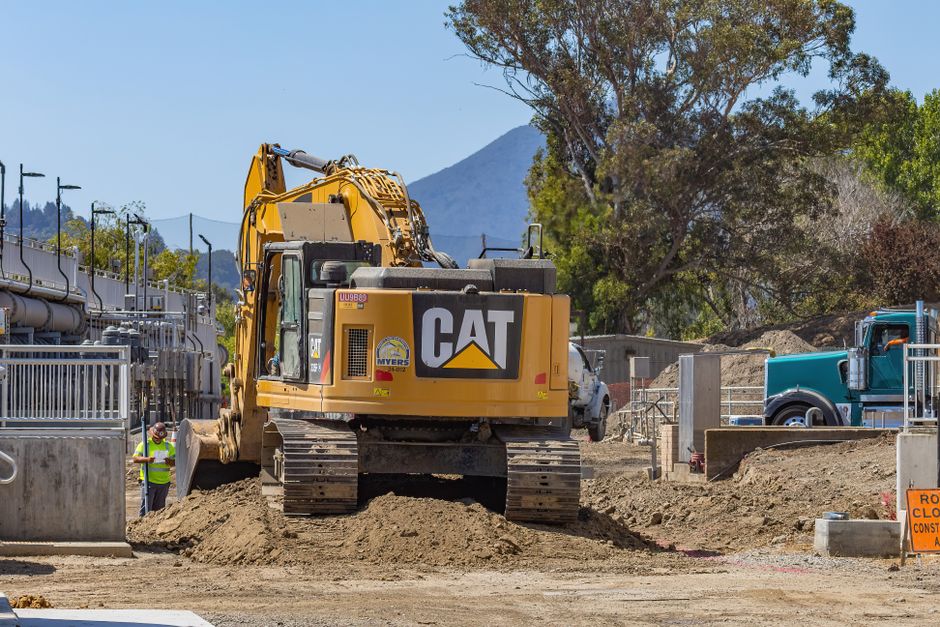
Additionally, demolition contractors are equipped with the right tools and machinery to carry out the job efficiently. Whether it is using high-powered excavators or specialized saws, their expertise ensures that the demolition is conducted quickly while adhering to safety guidelines.
The Importance of Safety in Demolition
Safety is paramount in the demolition industry. A demolition contractor must adhere to strict safety protocols to protect their workers and the surrounding community. Before commencing any demolition project, contractors conduct a comprehensive risk assessment to identify potential hazards.
Protective gear, such as helmets, gloves, and respiratory protection, is essential for all workers on-site. Moreover, proper training is vital to ensure that all team members understand the risks involved and how to mitigate them. For example, workers should be trained in handling hazardous materials and operating heavy machinery safely.
Additionally, a reliable demolition contractor will have insurance coverage to protect against potential accidents or damage that may occur during the demolition process. This coverage is crucial as it provides financial protection for both the contractor and the client.
Choosing the Right Demolition Contractor
When hiring a demolition contractor, it is essential to conduct thorough research. Look for contractors who have a proven track record and positive reviews from previous clients. It is also advisable to request references and examples of past work to gauge their level of expertise.
Furthermore, obtaining multiple quotes can help you compare prices and services. While choosing the most affordable option may be tempting, it is crucial to consider the contractor’s experience and reputation. A well-qualified demolition contractor may charge more upfront but can save money in the long run by avoiding costly mistakes or accidents.
Lastly, ensure that the contractor is licensed and insured. This not only protects you as the client but also ensures that the contractor meets the required safety and industry standards.
Environmental Considerations in Demolition
In today’s world, environmental sustainability is a significant concern in all industries, including demolition. A responsible demolition contractor will prioritize eco-friendly practices, such as recycling materials and minimizing waste.
During the demolition process, materials such as concrete, metal, and wood can often be recycled or reused in new construction projects. For instance, concrete can be crushed and repurposed as aggregate for new concrete or road base. This not only reduces landfill waste but also conserves natural resources.
Moreover, a contractor should be aware of local recycling facilities and work with them to ensure that as much material as possible is diverted from landfills. This approach not only benefits the environment but can also reduce disposal costs for the contractor and the client.
Conclusion
In conclusion, the role of a demolition contractor is vital in the construction industry. From ensuring safety to navigating legal requirements and promoting environmental sustainability, their expertise helps facilitate successful projects. By understanding the importance of hiring qualified professionals and the various aspects of demolition, clients can make informed decisions that contribute to the success of their construction endeavors.